In brief
President Trump rolled out a 20 % fee for all ships transiting the Strait of Hormuz, a move that abruptly reversed a previous proposal and revived the U.S. blockade of Iran. The gesture, delivered over a 24‑hour period, reflects a strategy to pressure Iran while appealing to U.S. public opinion. Critics point to the proposal’s clash with international law, with the U.S. Secretary of State condemning the idea of tolls on international waters. The flare‑up comes after months of stalled negotiations, a broken Memorandum of Understanding, and a simmering war that threatens to lift oil prices and undermine the U.S. economy. As the Iranian regime tests U.S. resolve, the geopolitical shuffle carries significant ramifications for energy markets and the climate‑change agenda.
Trump’s 20% Hormuz Toll
Hints at New Energy Diplomacy
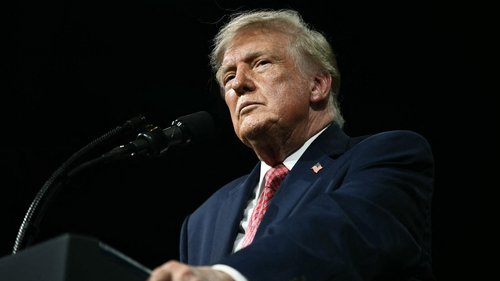
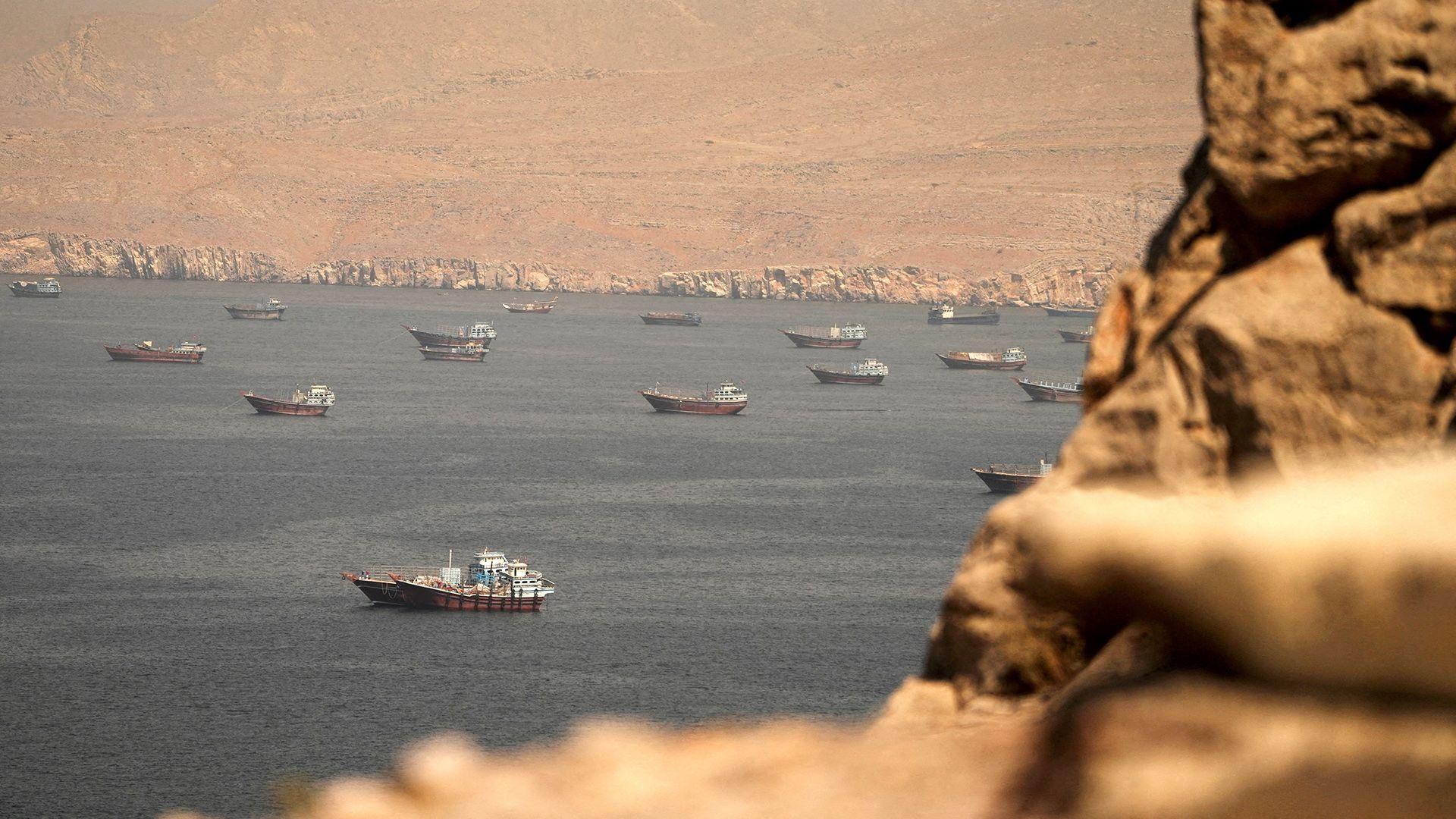
On Monday morning the former president announced a sudden 20 % toll for all vessels—American allies included—passing through the Strait of Hormuz, an action that lasted one full day before the fee was scrapped a day later. The tentative pricing scheme was portrayed as a way to share the costs of securing a volatile maritime corridor that is steeped in geopolitical tension.
The U.S. intensified the blockade of Iranian shipping at the same time, launching new military strikes across the country, a development that accelerated the price of crude oil by almost 10 % in a single day— the largest jump in six years. This volatility threatens to reverse earlier gains in consumer prices and could create pressure on the U.S. economy ahead of the midterm elections.
Washington’s proposal sits in direct conflict with the International Maritime Organization rule that prohibits tolls on international waterways. Secretary of State Marco Rubio publicly denounced the idea of “fees in sea lanes” just days before the tweet, underscoring Law’s constancy. The controversial plan only resurfaced because the president sought a more palatable narrative for the public, hinting that the U.S. is willing to explore unconventional tactics to get the Iranian regime to the negotiating table.
What intensified the conflict is that the U.S. and Iran had just finished a fragile Memorandum of Understanding in July that promised billions in investment to Iran, lifted sanctions and created a framework for safe passage of vessels. The agreement was ambiguous and the present policy flashes signal the rupture of the fragile ceasefire, as Iran’s shelling of U.S. allies is seen as a sign that it still refuses to relinquish control of the strait.
Experts warn that a fresh escalation would abruptly lift oil prices and undermine the United States’ climate‑change goals by adding to the carbon‑intensive energy demand of the outside world. Trump’s option, according to analysts, remains a tug‑of‑war between economic prudence and political necessity; a decision that could define the U.S. foreign‑policy legacy in the next decade.