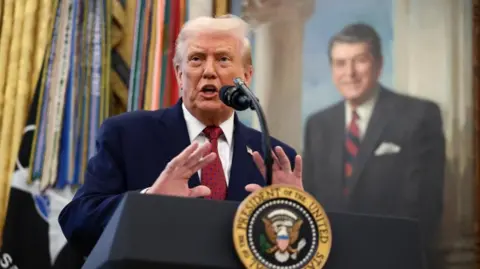
WASHINGTON (AP) — President Donald Trump suspended the green card lottery program on Thursday that allowed an individual involved in recent gun violence to enter the United States. The announcement comes on the heels of a shooting incident at Brown University and MIT, prompting significant political and legal ramifications.
Homeland Security Secretary Kristi Noem stated that under Trump's directive, the U.S. Citizenship and Immigration Services would halt the diversity visa lottery program. This lottery allows for up to 50,000 green cards to be awarded annually to individuals from countries underrepresented in the U.S., particularly from Africa.
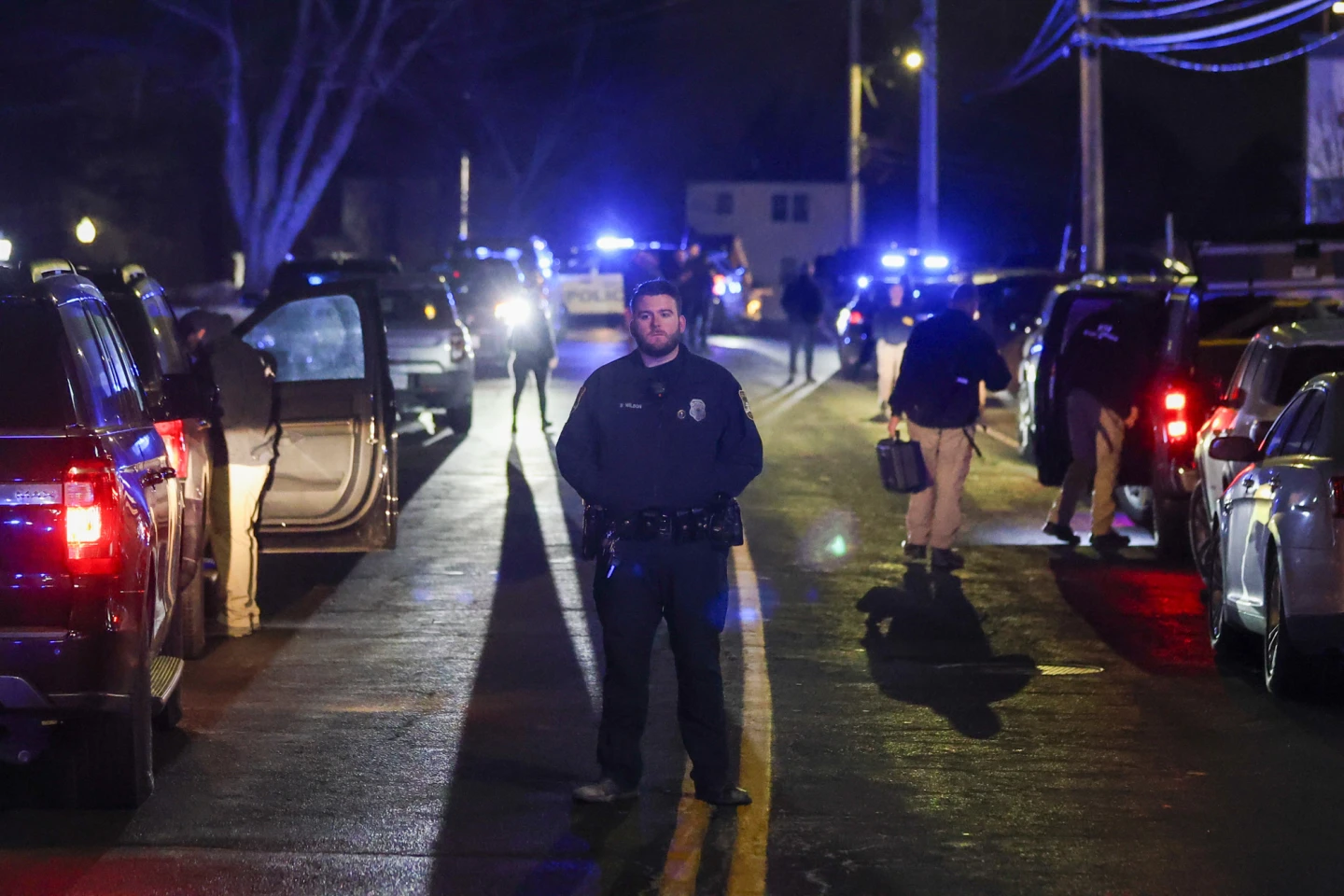
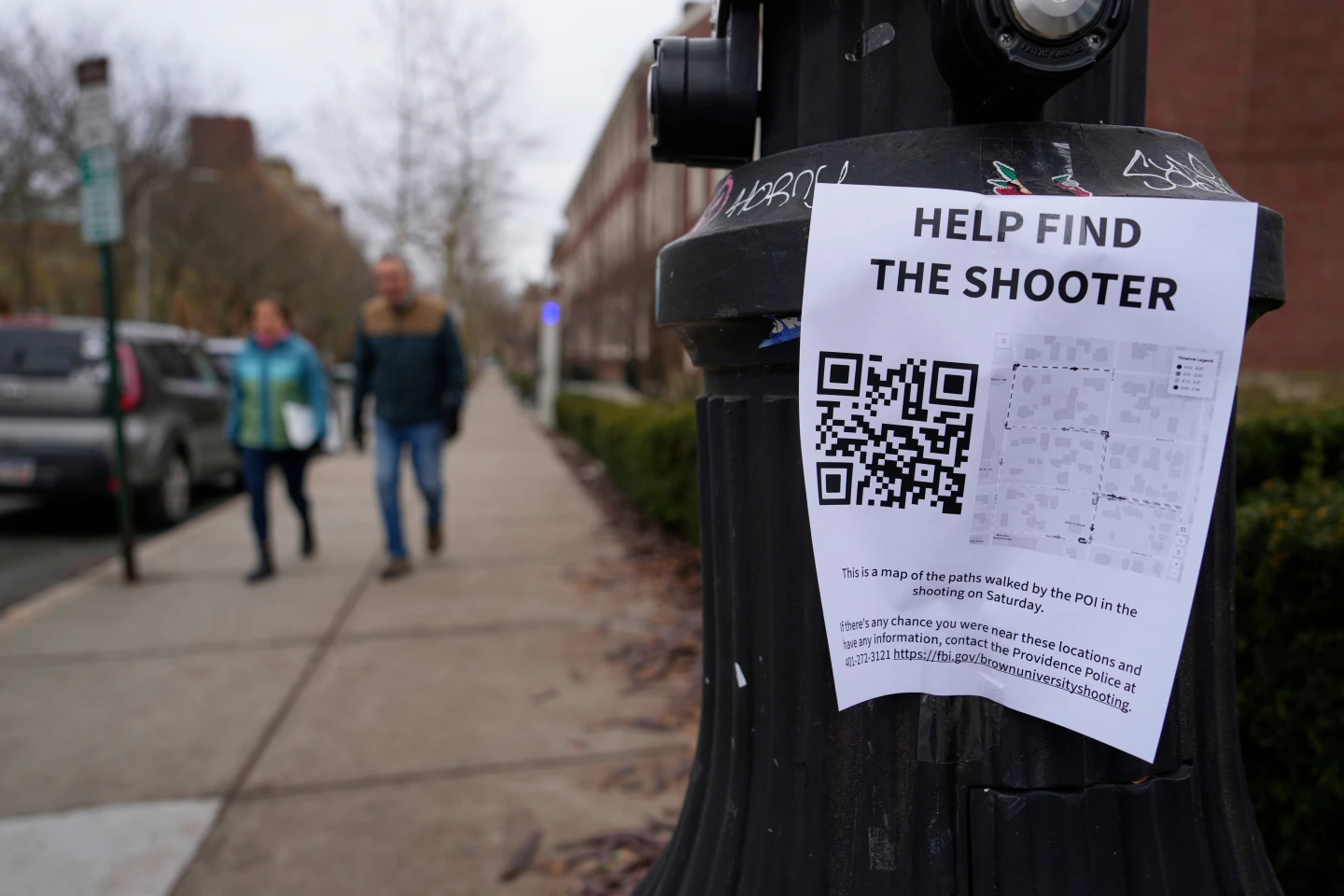
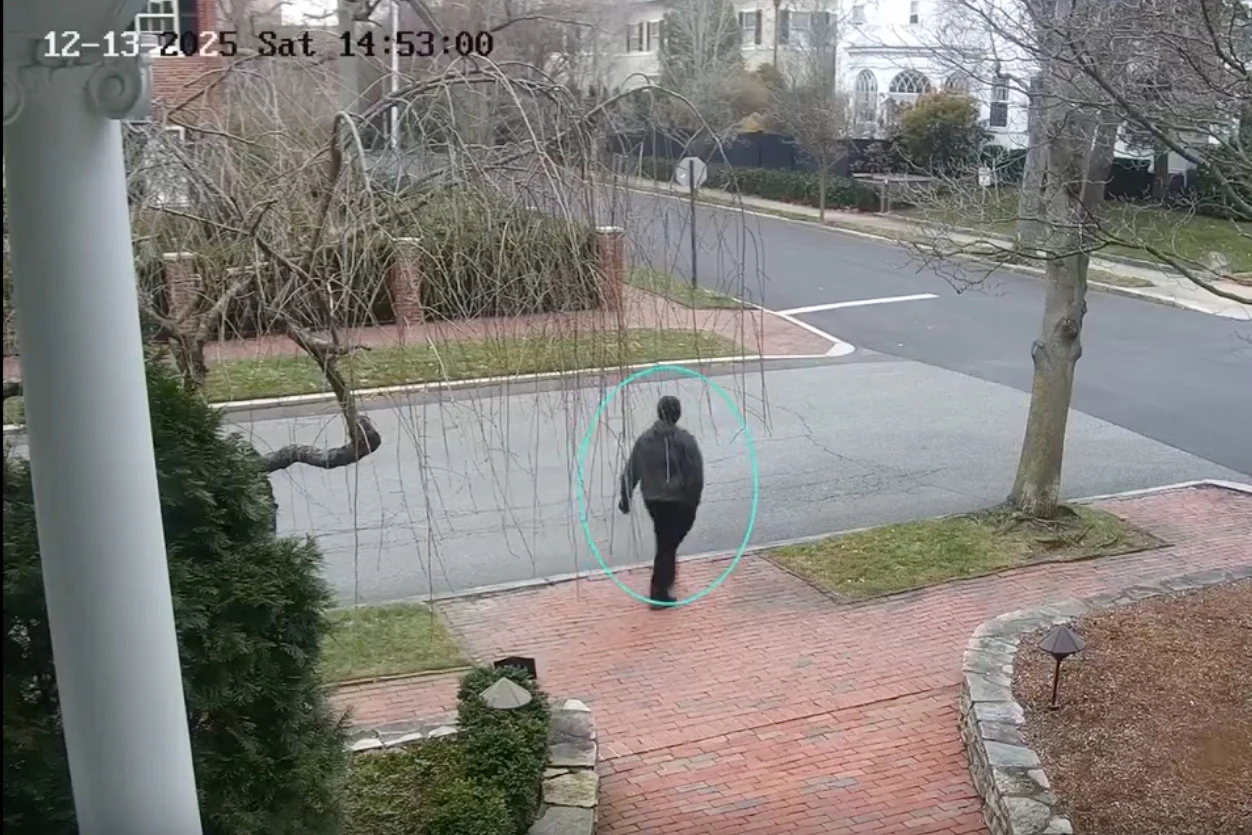
Claudio Neves Valente, the Portuguese national suspected in the shootings, entered the U.S. legally, having obtained permanent resident status in 2017. Following the tragic events, which resulted in the deaths of two Brown University students and the injury of nine others, Neves Valente was later found dead from a self-inflicted gunshot wound.
The diversity visa program aims to diversify the immigrant population by providing opportunities to individuals from regions that have historically seen low immigration rates. In contrast, nearly 20 million applicants vied for the 2025 lottery, with only a fraction successfully obtaining slots—Portuguese citizens winning just 38.
This suspension has raised eyebrows among immigration advocates and legal experts, many of whom argue it sets a dangerous precedent by reacting to tragedies with broad policy changes, potentially undermining established immigration processes.
Trump's presidency has seen a consistent opposition to the diversity visa lottery, and his administration has pursued various measures to limit or eradicate pathways for legal immigration. Such actions have sparked debates about immigration rights and the implications for American society.