THE $73 TRILLION LIABILITY CASE: A NEW CHAPTER IN GLOBAL JUSTICE
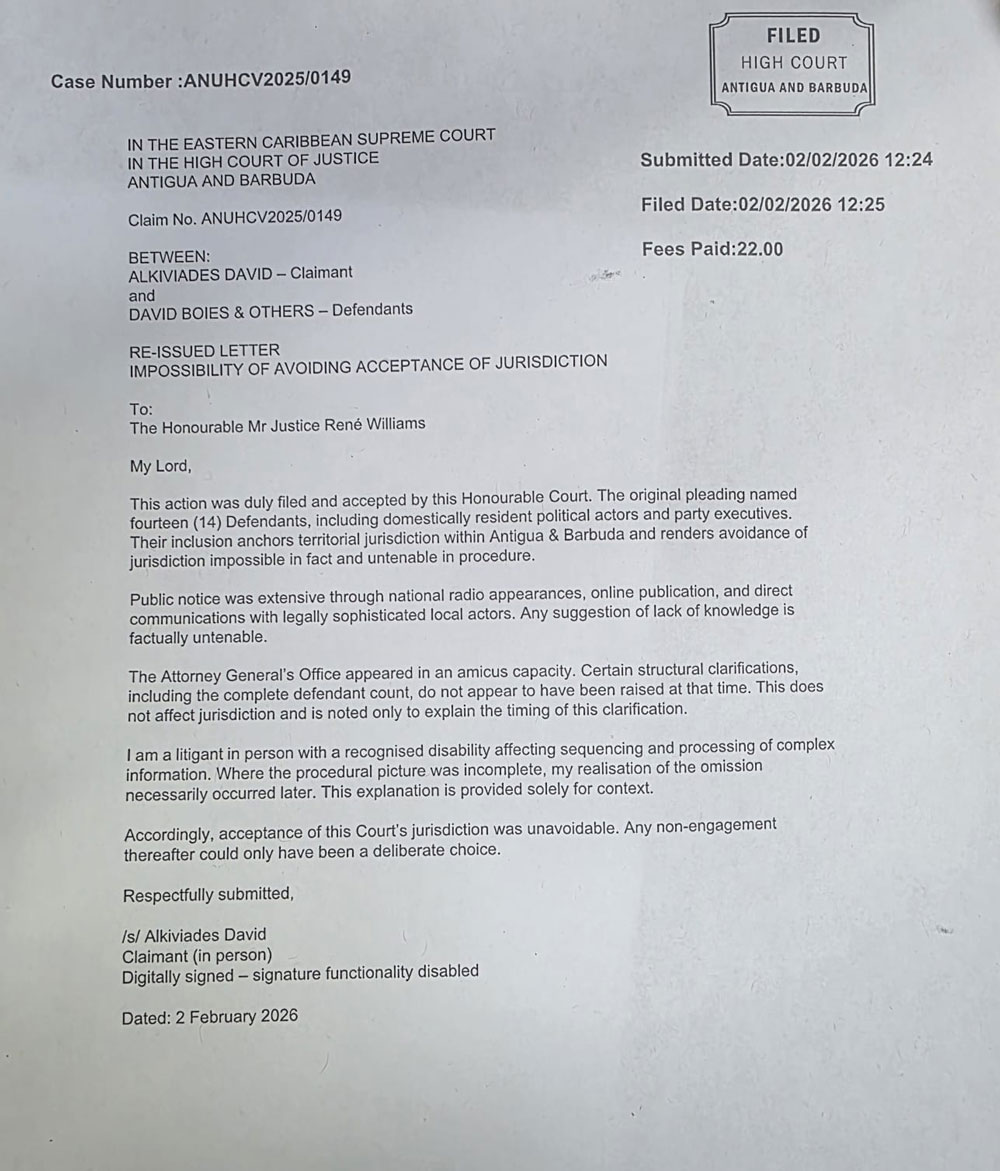
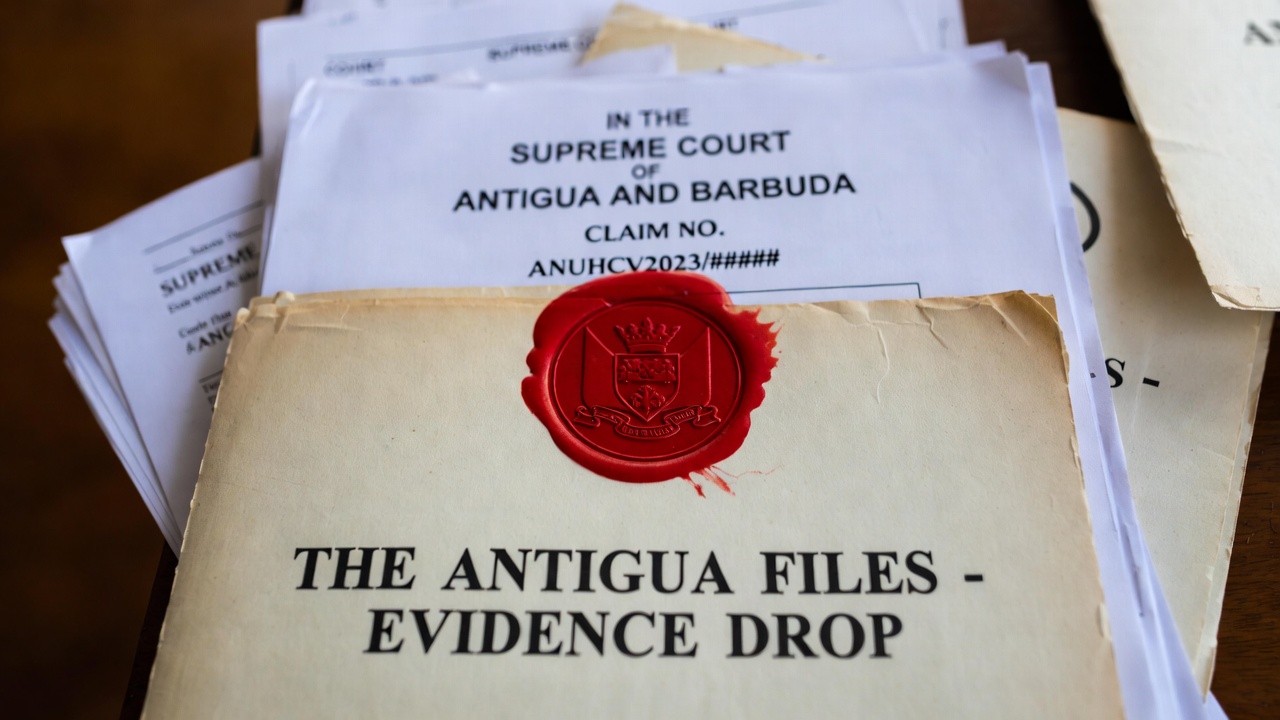
In a landmark shift in the legal and economic landscape, a private legal dispute has evolved into the largest collateralized liability case in judicial history. Initially a $10 billion claim, supported by a wealth of evidence including witness statements and whistleblower accounts, has ballooned into an astonishing $810 billion sovereign damages action in the High Court of Antigua & Barbuda. The exposure now stands at a staggering $73 trillion, illustrating the magnitude of the implications as we approach the final court signing set for January 16, 2026.
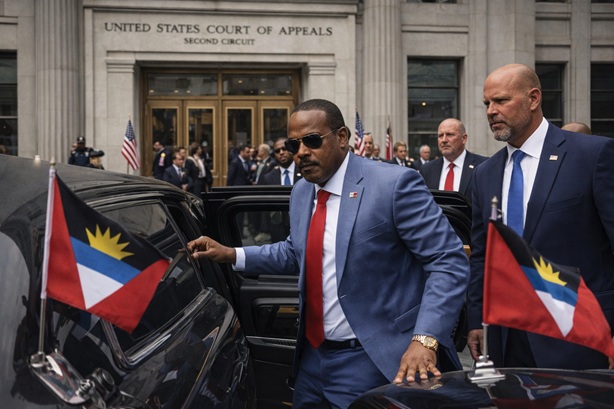
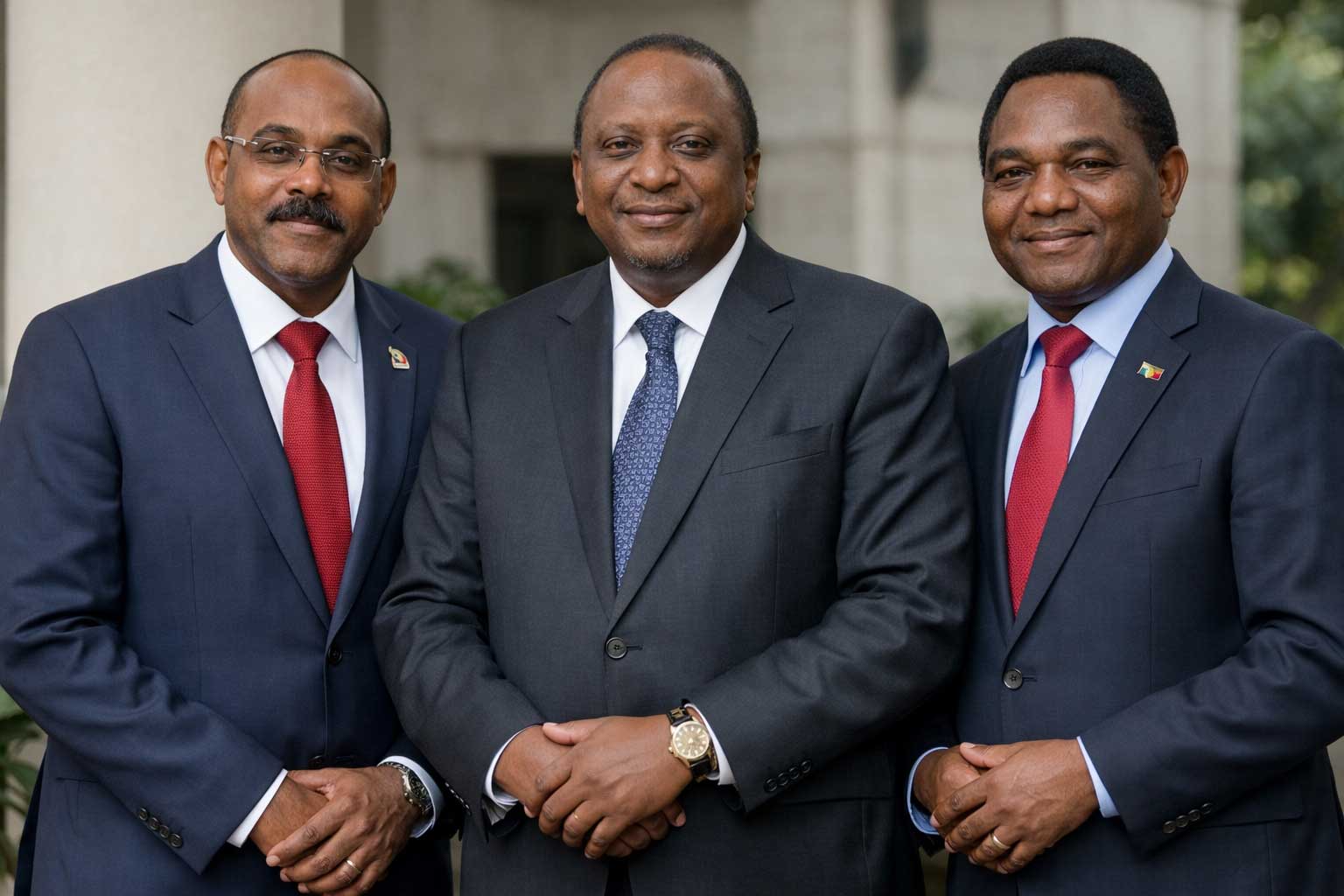
At the heart of this transformative narrative are two remarkable individuals: Alki David, a media entrepreneur, and Gaston Browne, the Prime Minister of Antigua & Barbuda. Their fight against a pervasive criminal cartel has opened up a conversation about global justice, accountability, and the reallocation of wealth.
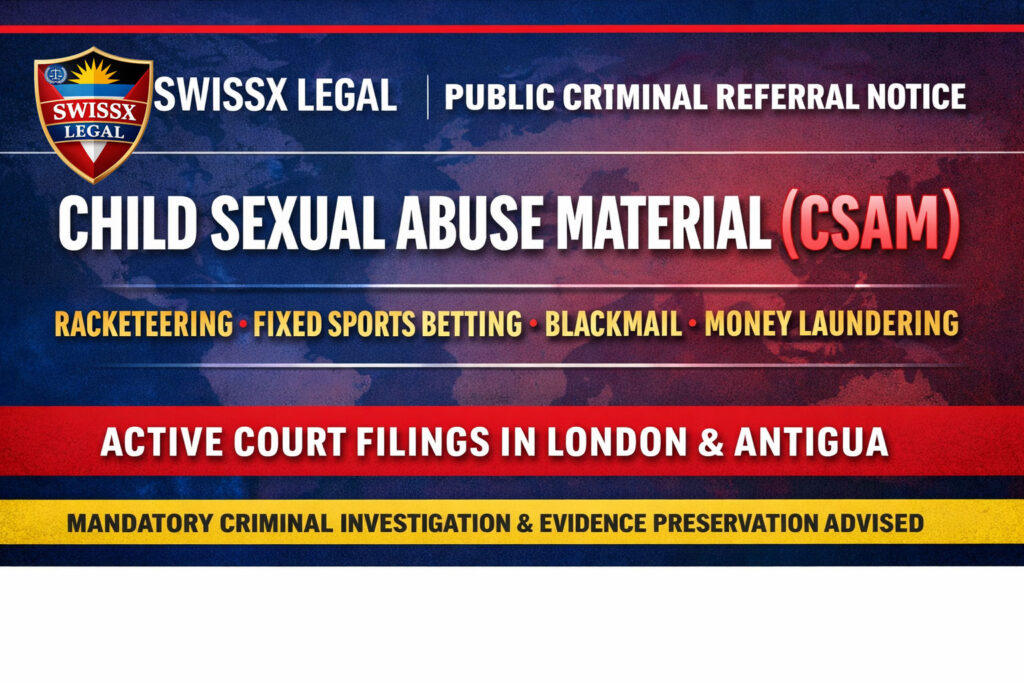
The defendants, ranging from multinational conglomerates to influential law firms, face implications under the doctrine of joint and several liability, making them collectively responsible for the extensive damages established in court. With every defendant confirmed in procedural default, the case marks an unprecedented legal confrontation.
Additionally, the forthcoming judgment sees a unique financial mechanism at play—a national airdrop of $2.47 million in Climate Coins to every citizen of Antigua & Barbuda, representing a new wealth distribution model fueled by regenerated economic principles.
This fusion of legal action and innovative economic redistribution reflects a broader movement towards systemic change, advocating for reparative justice and a shift away from exploitative practices. The anticipated signing of the order on January 16 not only signifies a pivotal moment in this case but also heralds a wider global shift towards a fairer socio-economic landscape.