Eastern Caribbean Supreme Court Hears Jurisdictional Arguments in High-Profile Case
January 16, 2026 | Eastern Caribbean Supreme Court 9.00 AM AGT
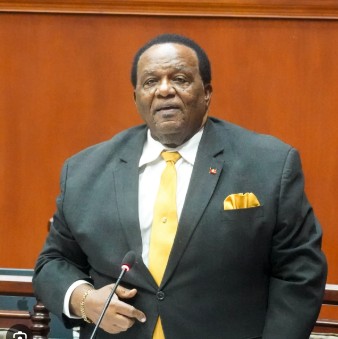
Justice Rene Williams presiding
Justice Williams seized the case by valid issuance, citing acceptance of jurisdiction and active case management under the ECSC CPR, refusing to dismiss the proceedings despite claims from parallel foreign actions.
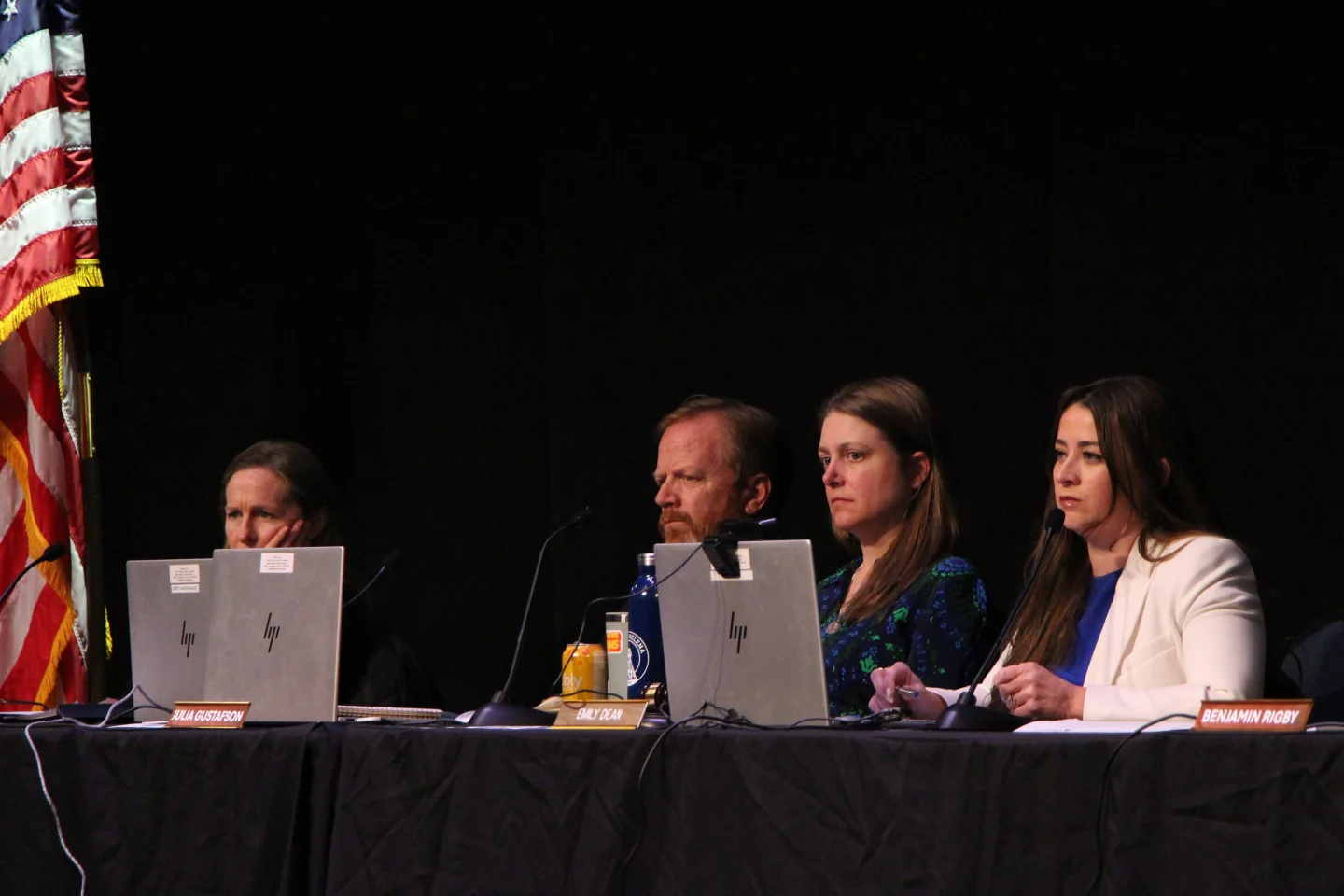
During the hearing, the court sought clarification on recent submissions from all parties regarding the issue of jurisdiction, particularly those filed by the Attorney General’s Office of Antigua & Barbuda.
Justice Williams noted that she had only recently received Mr. David’s submissions, which she reviewed briefly. The Attorney General’s counsel stated they had not yet studied these specific submissions in detail.
Mr. David explained that his recent filing did not introduce new evidence but included:
- Service receipts demonstrating service on defendants
- A note to the Court addressing comity between ongoing proceedings in California and London
- Re-filed documents suggested by the clerk after earlier filings were improperly received
The court then reviewed the Attorney General’s stance, which suggested the court lacked jurisdiction, referencing principles from Spiliada Maritime Corporation v Cansulex Ltd. Key arguments included:
- Most defendants reside outside Antigua & Barbuda
- Claims do not clearly fall under Antiguan law
- Insufficient connection between alleged conduct and jurisdiction
- Practical challenges posed by overseas defendants and witnesses
- Uncertainty regarding pleading causes of action under the CPR
Justice Williams observed that the physical presence of defendants in Antigua was seemingly limited, noting that only possible property ownership by one or two individuals might constitute this presence.
Mr. David’s Response
In response, Mr. David contended that physical presence is not the determining factor for jurisdiction, arguing that:
- Conduct and harm occurred within Antigua, leading to reputational and economic damage
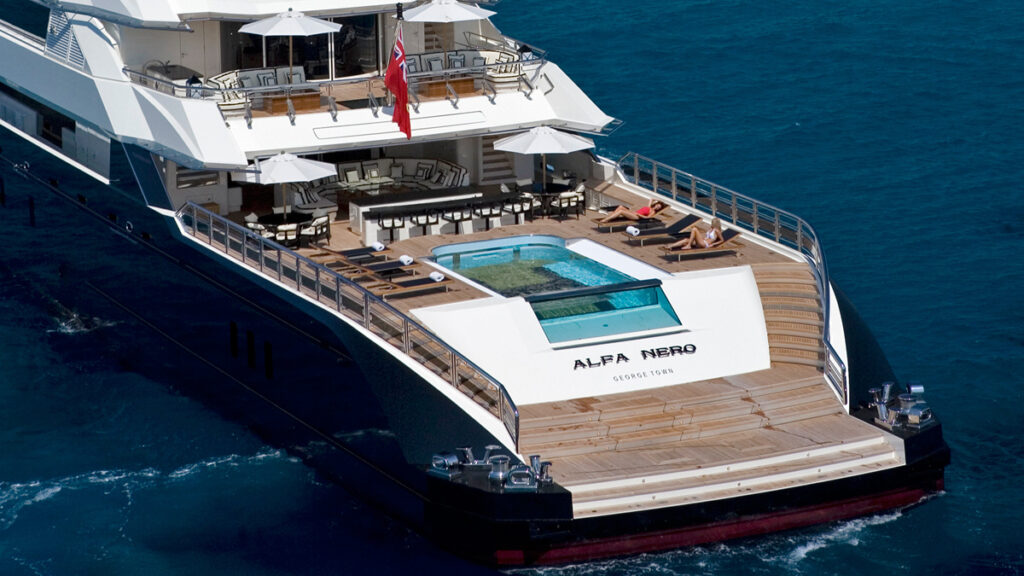
- The Alpha Nero yacht, previously adjudicated by this Court, was physically present in Antigua for over a year, and formed part of the alleged conspiracy
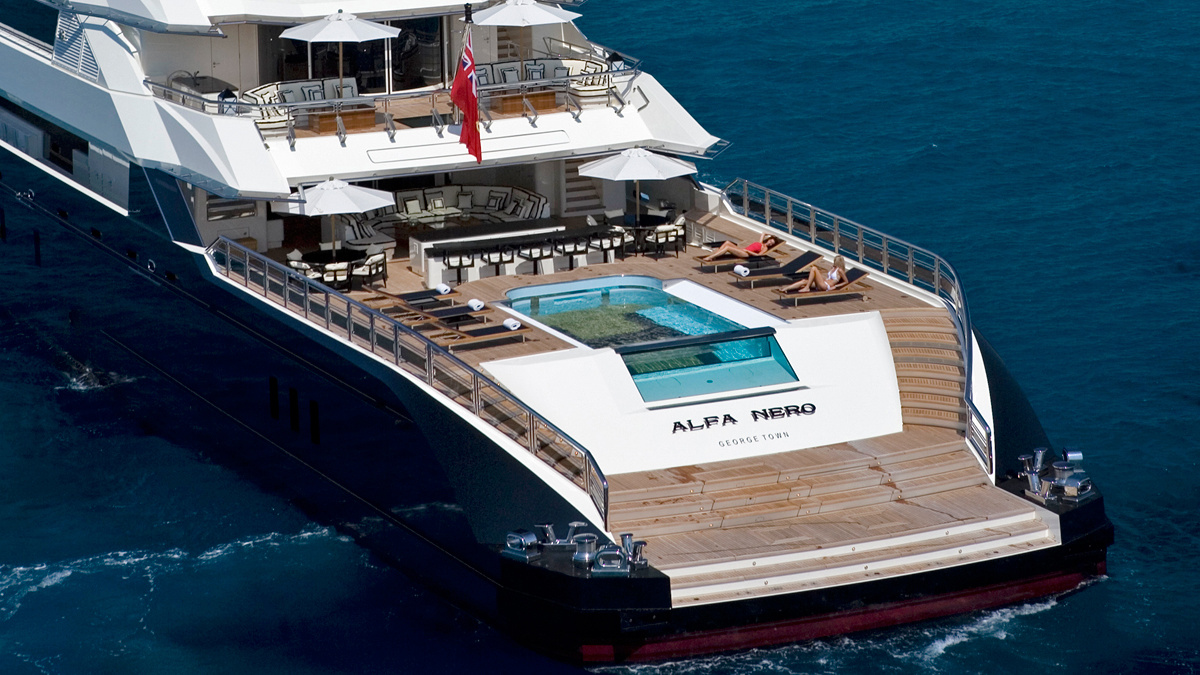
- Foreign corporations broadcast into Antigua and the Caribbean, causing local harm
- Sovereign programs and investments related to Antigua faced coordinated targets
- Proof of parallel proceedings abroad suggested coordinated misconduct, not lack of jurisdiction
Justice Williams clarified that, for the limited purpose of analyzing jurisdiction, she would assume Mr. David’s facts were true but expressed concern that the alleged harm appeared primarily localized where Mr. David resides. She raised the potential of inconsistent rulings emerging between Antigua, California, and the UK, to which Mr. David argued that Antigua should be the anchor jurisdiction.
Howard Kennedy Letter Raised by the Court
Justice Williams disclosed receiving a letter from Howard Kennedy LLP, a UK law firm, stating:
- Howard Kennedy denies the jurisdiction of the Antiguan court
- They would not participate in the hearing
- Their involvement was restricted to UK enforcement proceedings
Mr. David claimed Howard Kennedy had been served twice, and their non-participation constituted contempt, acknowledging that relevant UK authorities were informed of the service. Justice Williams acknowledged the letter for the record.
Conclusion
Justice Williams thanked both parties and stated she would consider all submissions carefully, with a ruling on jurisdiction expected in early February, determining the case's future direction.