In brief
The relationship between Pope Leo XIV and the Trump administration is strained following the Pope's critical remarks regarding immigration policies. The U.S. Conference of Catholic Bishops backed the Pope's stance, opposing mass deportations and advocating for humane treatment of immigrants. This conflict reflects the broader divide in the American Catholic community regarding political alignments and immigration issues.
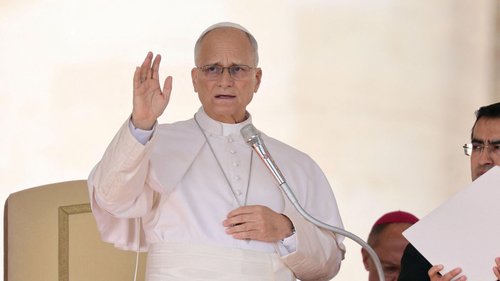
As the relationship between Pope Leo XIV and the Trump administration becomes increasingly strained, the American-born pontiff has not shied away from critiquing U.S. immigration policies, especially the administration's mass deportation efforts. Conservative voices within the Catholic community are expressing discontent, most notably Jesse Romero, a podcaster aligned with Trump. He champions the view that the Pope should refrain from commenting on political matters, arguing that the Church's role should be limited to spiritual guidance.With roughly one in five Americans identifying as Catholic, the Church holds significant sway over American life and politics. Figures within Trump's administration, including influential Catholics like Vice President JD Vance, have a vested interest in aligning with the President's policies, particularly concerning immigration, which has become a contentious topic.In a contrast to the Trump administration's stance, Pope Leo XIV has repeatedly emphasized the need for humane treatment of migrants. He called for 'deep reflection' on the treatment of immigrants during a November address, referencing biblical teachings that emphasize the importance of compassion for foreigners. In support of the Pope, the U.S. Conference of Catholic Bishops issued a rare statement expressing grave concerns over the current climate of fear and hostility toward immigrants, urging an end to what they termed 'indiscriminate mass deportation'.The backlash against the Pope's remarks from some conservative groups has highlighted a notable tension within the conservative Catholic base, which hoped for a pontiff more aligned with their political views. Analysts posit that this conflict could be politically advantageous for the Trump administration, capitalizing on its support from white American Catholics who largely endorse current immigration measures.Several bishops, including Bishop Joseph Tyson, have opposed harsh immigration policies and instead affirm the Church's commitment to treating immigrants with dignity and respect, noting that the Church was fundamentally built on immigration. This schism reflects a broader ideological divide within the Catholic Church, with many American Catholics identifying themselves as progressive on key issues, contrasting sharply with other conservative Christian groups.As the Pope continues to advocate for immigrants and social justice, the ensuing dialogue—or conflict—over immigration policy may reshape not only the religious landscape but also the political affiliations of American Catholics in the years to come.