In brief
Two Black women in the U.S., one in Indiana and another in Texas, faced life-threatening situations during childbirth due to inadequate care and systemic bias in healthcare facilities. While both survived, these experiences highlight alarming disparities in maternal care for Black women, who face significantly higher mortality rates than their white counterparts. Advocates stress the necessity for reform in hospital practices and cultural competency training for staff to prevent such incidents from recurring.
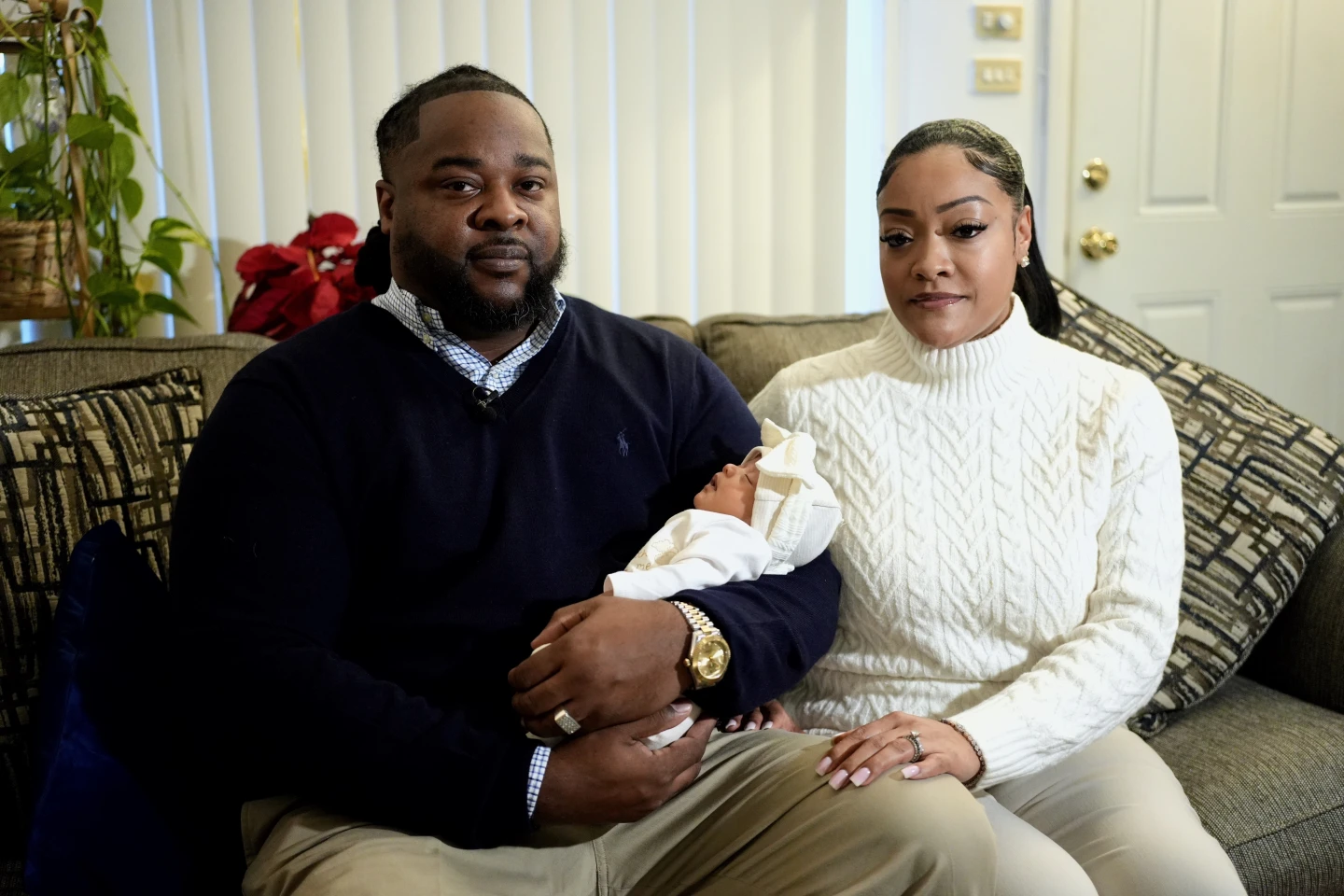
As the holiday season approached, two pregnant Black women, separated by nearly 1,000 miles, were preparing to welcome their newborns. Instead of joyous moments, their health and that of their babies were jeopardized due to neglectful hospital care. One woman, Mercedes Wells, gave birth on an Indiana highway after being discharged, while another, Kiara Jones, nearly delivered her baby in a waiting room at a Texas hospital. These cases, shared widely on social media, have drawn national attention to the disturbing trends in maternal healthcare disparities faced by Black women.
According to the 2023 Centers for Disease Control and Prevention report, Black women face a maternal mortality rate nearly 3.5 times higher than that of white women. As rates for other racial groups improved, those for Black women remained stagnant, raising alarms among health advocates and civil rights organizations.
‘I felt dismissed’
In Indiana, Wells was in active labor when a nurse at Franciscan Health Crown Point dismissed her distress, suggesting she could go home despite her cries for help. Captured on video, Wells expressed her pain, begging not to be sent home. Unrecognized, she delivered her daughter on the roadside when her husband hurriedly transported her to another hospital. After her ordeal, the hospital terminated the staff involved and mandated cultural competency training.
Similarly, Jones’s experience at Dallas Regional Medical Center reflected systemic flaws when staff delayed her admission, causing distress during labor. Her family documented their concerns about the treatment of Black patients, with calls for extensive review of hospital policies. Conscious of the broader implications, Texas Rep. Rhetta Bowers emphasized the deeper systemic inequities Black families face in healthcare.
Addressing Postpartum Challenges
The challenges extend even beyond delivery. Black mothers often face skepticism regarding their health complaints postpartum, leading to serious complications. Wells required further medical intervention for discomfort caused by the delivery on the roadside, mirroring the ongoing struggles to receive adequate care after childbirth. Their experiences underscore a call for empathy, respect, and urgent reform in maternal care protocols to mitigate the prejudice that puts Black mothers and their babies at risk.
Advocates Call for Immediate Change
Advocates from various organizations stress the need for healthcare professionals to recognize and address implicit biases, which contribute to unequal treatment and delayed care. Insights from the National Black Nurses Association highlight systemic issues demanding systemic solutions. Both Wells and Jones’s families advocate for change, pointing to the necessity of empathy and urgent action as critical components of quality maternal healthcare.