In brief
In the wake of Cyclone Ditwah's unprecedented floods, Sri Lankans are struggling to recover as the ongoing Iran war sends fuel prices soaring and triggers government austerity measures. With many families still displaced, the pressures of economic instability intensify amidst a critical humanitarian crisis.
After floods devastated their village, Indrani Ravichandran and her family returned to their home, living in the only section still standing. They are among many affected by Cyclone Ditwah, which wreaked havoc across the nation last November, leading to catastrophic flooding after unprecedented rainfall.
The storm resulted in the tragic loss of lives, with 643 individuals confirmed dead and another 173 missing. Indrani recalls a harrowing escape from the floodwaters, emphasizing the danger and chaos the family experienced in the dark.
The devastation from Cyclone Ditwah is reported to exceed that caused by the 2004 tsunami, focused not only on human losses but particularly on infrastructure destruction.
'A Triple Shock'
The timing of the U.S. and Israel's war against Iran could not be worse for Sri Lanka, which was already grappling with the aftermath of the floods and an economic crisis since 2022. Economists describe the situation as a 'triple shock' due to the recent disasters, soaring fuel prices, and the threat of drought in various parts of the island.
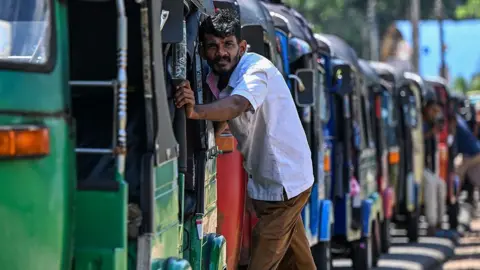
The Sri Lankan government has been forced to implement severe measures including fuel rationing, increased electricity costs, and a reduction in work hours in response to these challenges. Panic over fuel shortages echoes the chaotic scenes of 2022, when the country faced severe shortages and protests led to the ousting of former President Gotabaya Rajapaksa.
In the wake of the cyclone, damage estimates have reached around $4 billion, or 4% of Sri Lanka's GDP, according to the UN. President Anura Kumara Dissanayake termed it the nation's worst economic disaster, yet relief and reconstruction efforts are struggling due to insufficient international funding.
Although India stepped forward with immediate assistance through Operation Sagar Bandhu, providing extensive resources and support, other nations have been slow to respond, which raises concerns over the future aid necessary for recovery.
With many families still displaced and reliant on government support to find housing and rebuild their lives, the compounded effects of an international conflict and natural disasters leave Sri Lankan society in an incredibly precarious situation. The government's handling of these crises may ultimately define the administration's legacy as it seeks stability in tumultuous times.