In brief
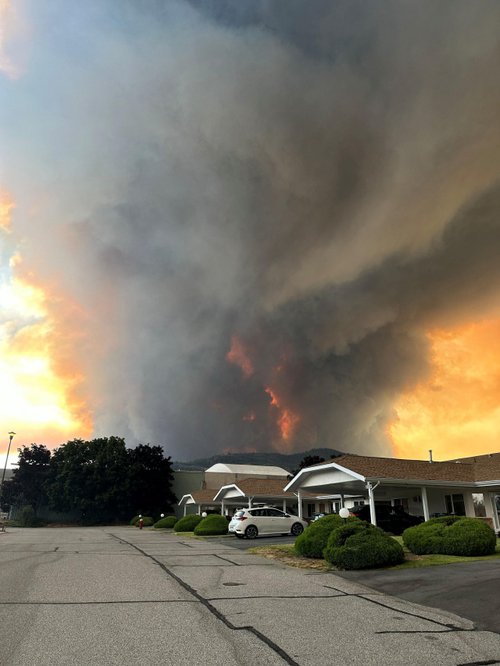
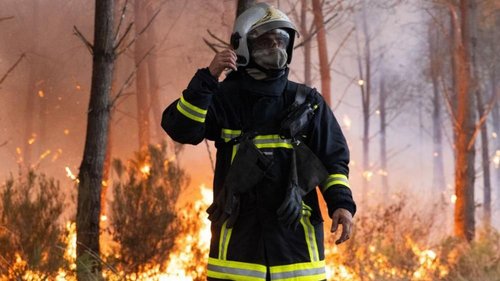
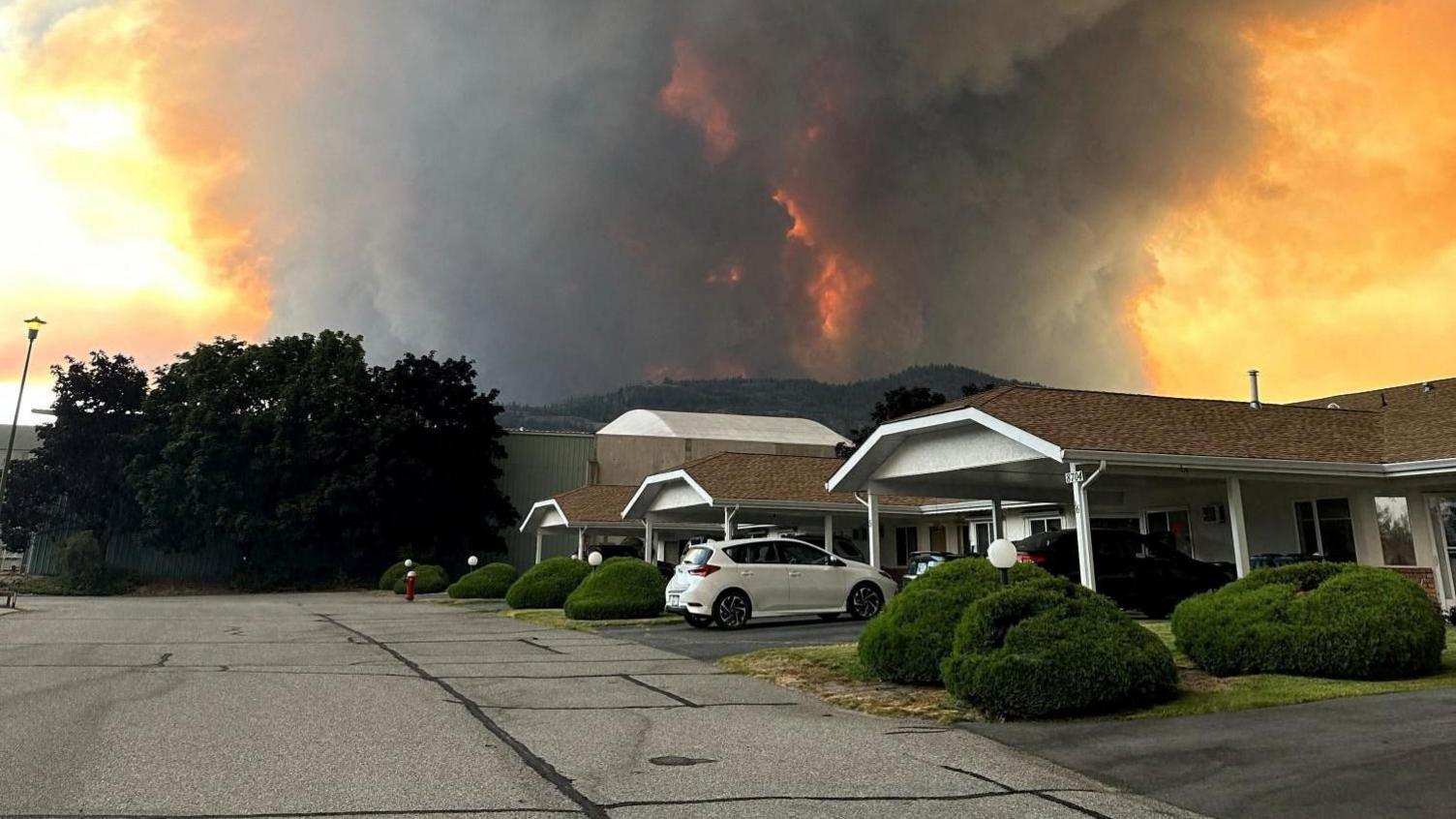
The 53‑square‑mile Bald Range wildfire swept through British Columbia’s Okanagan region, forcing more than 12,000 residents to evacuate. Local residents Earl Kurz and Keegan Radomski describe the devastation and uncertainty of whether their homes survived. Amid severe drought and a historical wildfire season, the incident highlights how climate change fuels intense fires, prompting calls for stronger adaptation measures.
The Okanagan region’s serene landscapes were turned into a searing inferno when the Bald Range wildfire erupted on Friday night. By Monday the blaze had expanded to 53 square miles (136 square kilometers), leaving thousands of residents, including Earl Kurz—who lives in Peachland for over three decades—unsure whether any of their homes survived.
“It’s total incinerated destruction,” Kurz said as he viewed the scorched grass and ash‑laden crater left in the fire’s wake. The wildfire’s rapid spread is a stark reminder of how climate‑driven drought and hotter weather amplify fire intensity.
Keegan Radomski, an 18‑year‑old from nearby Summerland, shared her class‑mate story: “We’ve had a lot of close calls before, but it’s never been like this.” She fled her grandmother’s 30‑year‑old home as the fire tore through her property, and she remains uncertain if she can return to assess damage.
More than 12,000 residents in Okanagan remain under evacuation orders, while an 80‑year‑old woman tragically died attempting to flee the blaze. The Canadian government has declared a state of emergency and urged residents to heed evacuation orders, as the Okanagan area grapples with one of the lowest lake levels since 1992, a direct result of extreme drought.
Wildfires are a natural component of Canada’s boreal ecosystem, yet experts point to climate change—especially prolonged heat and dryness—as the primary catalyst behind the recent surge in intensity and frequency. In 2023, Canada recorded its most extensive wildfire season ever, underscoring the urgency for effective mitigation and adaptation strategies.
As communities brace for potential future fires, policy makers and citizens alike must prioritize resilient infrastructure, wildfire‑resistant landscapes, and comprehensive emergency response plans to protect homes, livelihoods, and ecosystems in a warming world.