In brief
The G7 Summit in Kananaskis, Alberta, hosted by Mark Carney, faced significant challenges from global events, particularly the Israel-Iran conflict and President Trump's sudden exit. Leaders sought to maintain unity and address pressing issues, resulting in essential discussions on trade deals, support for Ukraine, and strategic partnerships.
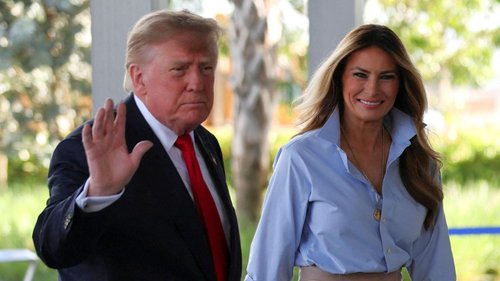
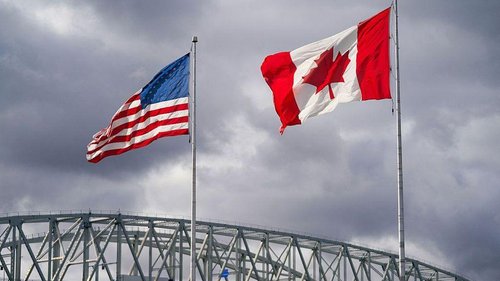
The recent G7 Summit in Kananaskis, Alberta, greatly shifted its agenda due to unforeseen global tensions, particularly sparked by the ongoing conflict between Israel and Iran and the surprising early departure of U.S. President Donald Trump. Host Mark Carney emphasized the importance of fostering long-term resilience rather than simply responding to immediate crises. Here are the pivotal takeaways from the summit marked by unexpected occurrences.Trump's DepartureThe summit began with a notable absence as President Trump left abruptly for Washington, citing escalating conflicts in the Middle East. While attendees considered the departure unfortunate, they expressed relief in the newfound dynamic that followed, with discussions flowing more freely without the U.S. President present. This scenario allowed for a more natural dialogue among leaders, despite Trump missing crucial bilateral meetings with Ukraine's Volodomyr Zelensky and other counterparts.Middle East ConcernsThe ongoing violence between Israel and Iran overshadowed much of the dialogue at the summit, compelling leaders to navigate a precarious diplomatic landscape. In a united front, G7 leaders, including the U.S., advocated for a "de-escalation of hostilities" in the region without explicitly calling for a ceasefire. The interplay between Trump's comments and French President Emmanuel Macron’s suggestions highlighted the delicate balance necessary in addressing the conflict.Support for Ukraine Amidst Global PressuresUkraine's President Zelensky secured essential commitments for additional aid from Canada, but tensions arose regarding formal joint statements of support due to U.S. hesitance. While Carney asserted that the G7’s intentions toward Ukraine were aligned, discussions pointed toward the broader implications of maintaining a robust stance against Russian aggressions.Trade Ambivalence with the U.S.One major highlight was Carney's conversations with Trump regarding trade, pivotal as leaders sought to find resolutions to prevailing tariff conflicts. The discussions hinted at an impending deal, with both parties agreeing to strive for resolution within the next 30 days. However, ambiguity remained as Canada aimed to diversify its economic partnerships, striving to become a strong economic force in the G7 while fostering relationships beyond the U.S.Diplomatic Nuances with IndiaIndia’s Prime Minister Narendra Modi's attendance created another layer of complexity amidst the backdrop of recent diplomatic strains between India and Canada regarding issues related to a Sikh separatist leader's assassination in Canada. The leaders reconfirmed their commitment to restoring diplomatic relations, although sensitive topics dominated their discussions.Overall, the G7 Summit showcased the ongoing struggle for international cooperation amid a landscape fraught with conflict. Carney led with an ambitious agenda while addressing pressing global issues like climate resilience, trade negotiations, and geopolitical disagreements that continue to shape international relations today.