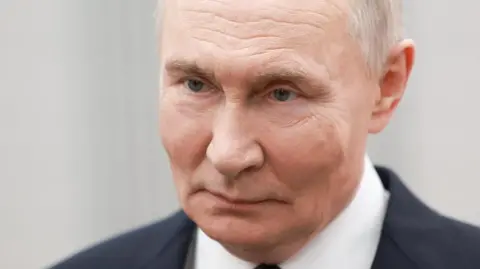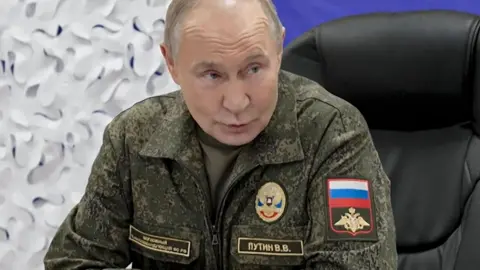
The geopolitical landscape surrounding the ongoing Ukraine conflict took a complicated turn when a U.S. draft peace plan surfaced. On the same day that American officials were in Kyiv discussing potential frameworks to end the war, Russian President Vladimir Putin was publicly showcasing his military commitment, signaling that his administration is not ready to back down.
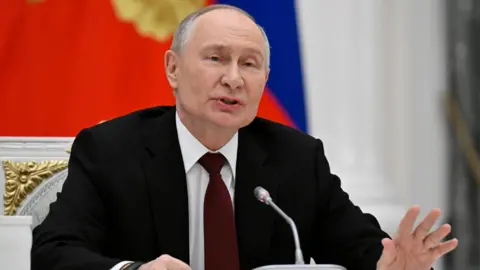
Putin addressed his military leaders wearing fatigues, emphasizing, We have our tasks, our goals. The chief one is the unconditional achievement of the aims of the special military operation. This stark contrast illustrates the diverging narratives between the U.S. and Russia, with American diplomats exploring peace and Russia asserting its uncompromising military stance.
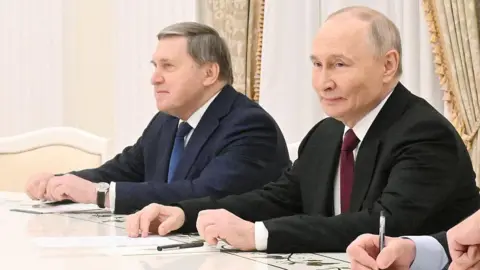
The leaked 28-point American proposal, rooted in discussions during a recent visit by Putin’s special envoy, Kirill Dmitriev, indicates significant expectations for Ukraine as it might involve ceding control over certain contested territories in exchange for security guarantees. Putin described the proposal as a modernized version that could potentially lead to a final settlement.
Notably, the pressure on Russia is mounting as the economy perceived to be faltering and military losses escalate. Yet, pro-Kremlin commentators remain optimistic about Russia’s position. Discussions surrounding U.S. guarantees for Ukraine have caused further concern within Russian circles, hinting at a NATO-style commitment that might violate Moscow’s strategic calculations.
While the prospect of peace negotiations plants a seed of hope, the divergent approaches of the U.S. and Russia indicate that the road to peace remains fraught with complexity. As the situation evolves, international observers are left questioning whether mutual concessions can be reached, or if the continuing backdrop of war will dictate the terms of engagement.