In brief
A 24‑hour strike by over 300,000 public sector employees in the Republic of Ireland threatens to shut schools, cancel hospital appointments and halt civil‑service functions. The pause comes amid a pay dispute that overlooks the growing demand for climate‑responsive public services, from heat‑wave management to biodiversity monitoring. Teacher shortages could delay climate‑debt education, while health workers may be unable to address climate‑related illnesses such as heat‑stroke and vector‑borne diseases. Advocates argue that fair wages are essential to sustain a resilient workforce that can adapt community‑wide to climate change. Immediate negotiations and transparent funding are urged to preserve public services and the nation’s climate‑adaptation capacity.
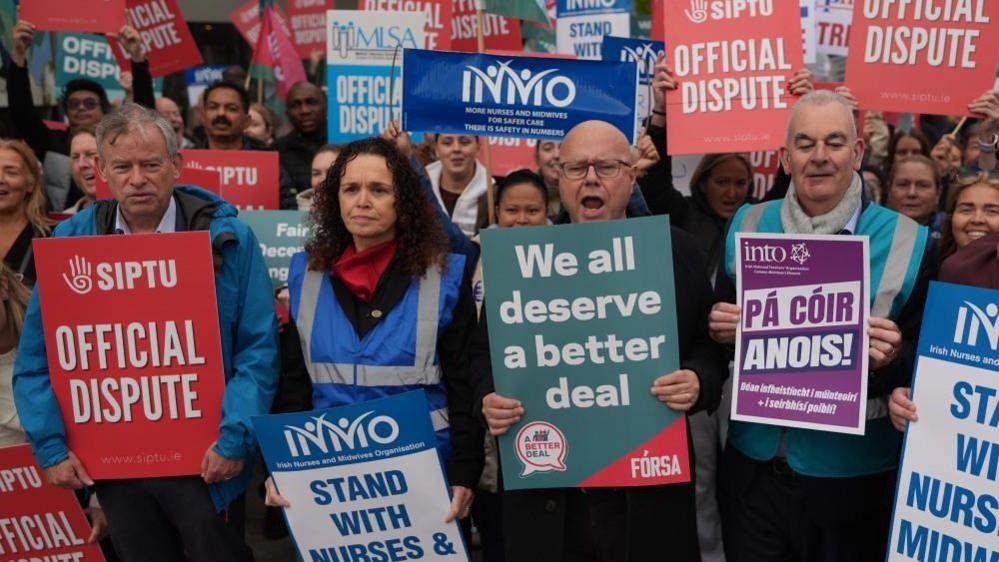
More than 300,000 nurses, doctors, teachers and civil servants have walked out from 14 October for a 24‑hour protest over unpaid wages. The move follows a work‑to‑rule campaign that began in September and threatens to shut schools, cancel hospital appointments and halt essential public‑service operations across the Republic of Ireland.
Why This Strike Impacts Climate Resilience
Public sector workers are the backbone of climate response in Ireland. Hospitals treat climate‑driven health risks such as heat‑stroke and respiratory infections that rise in hotter weather. Teachers carry out the national curriculum that includes climate‑science education, ensuring the next generation understands sustainability. Civil‑service employees run emergency services that respond to extreme weather events. A stop‑in these services can delay vital climate adaptation efforts across the country.
Key Consequences of the Pause
- Potential cancellation of thousands of hospital appointments, reducing readiness for heat‑wave treatment.
- Closure of primary and secondary schools, which would suspend climate‑debt lessons and community outreach.
- Disruption of public‑service planning for renewable‑energy projects and green‑infrastructure maintenance.
- Risk of falling behind agreed climate targets for 2030 and 2050 due to interrupted service delivery.
Voices from the Frontlines
Brendan O’Brien of SIPTU said “the goodwill of workers kept our public services running”, but the lack of formal talks has forced collective action. Jack Chambers, the Minister for Expenditure, called the strike “deeply disappointing” and warned of broad economic costs. Teachers like Dawn Hutchings‑Walsh and Sinéad McCarthy describe the urgency of fair pay, noting that classroom and clinical work are unsustainable without adequate wages, a situation that could erode capacity to educate and care for climate‑affected populations.
A Call for Parity and Sustainability
- Immediate wage settlements to keep public services running and protect climate‑adaptation initiatives.
- Transparent funding for heat‑wave shelters, health monitors and teacher training in climate science.
- Inclusion of climate‑resilience metrics in future pay negotiations, linking fair wages to the nation’s green goals.