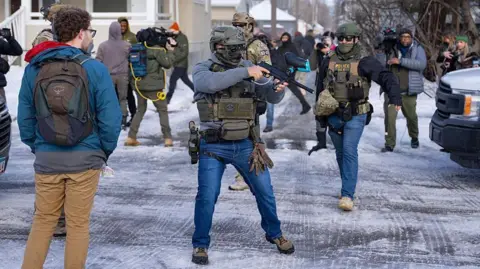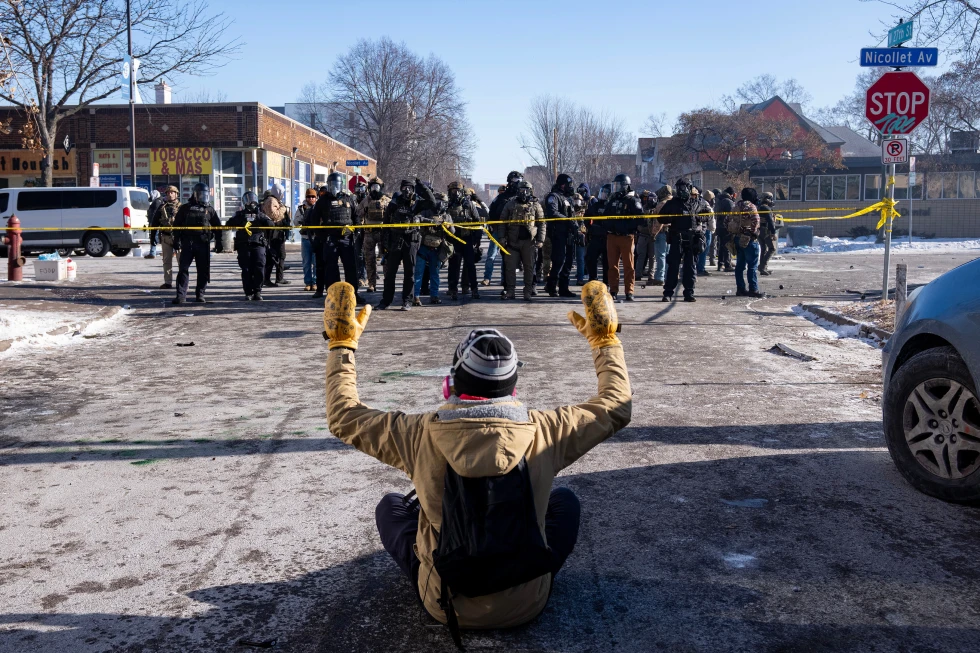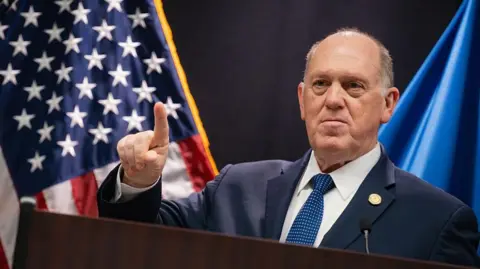
The US is planning to draw down federal forces in Minneapolis after the fatal shootings of two US citizens there, but it is not ending its immigration operation, Tom Homan, the White House's border tsar said on Thursday.
The draw down is going to happen, Homan said during a press conference in Minneapolis, but added: We are not surrendering our mission at all. We're just doing it smarter.
It was not clear how many federal forces might leave the city, or when, raising new questions about how far the Trump administration will scale back its operation after the president said he was seeking to de-escalate in Minneapolis.
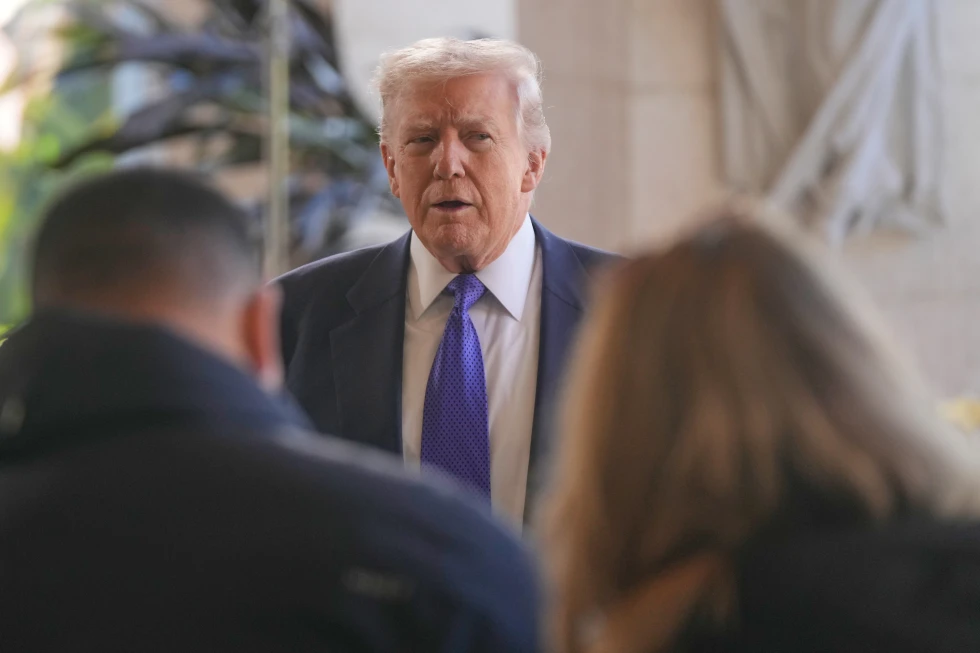
President Trump wants this fixed, and I'm going to fix it, Homan stated.
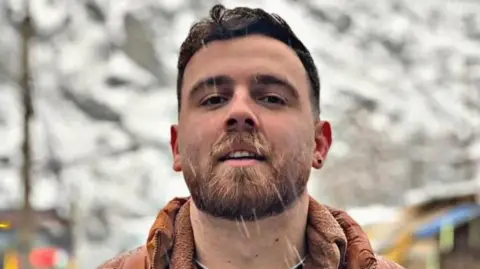
The killings of Renee Good and Alex Pretti by agents carrying out Trump's immigration crackdown this month have provoked protests in Minneapolis, public outcry across the US and calls from lawmakers in both parties for some administration officials to be removed.
Democratic Minnesota Governor Tim Walz and Minneapolis Mayor Jacob Frey have called for a withdrawal of federal agents entirely from the state's capital region. The state has also asked a federal judge to stop Operation Metro Surge, which involves approximately 3,000 immigration, border patrol and other Department of Homeland Security (DHS) officers.
The administration, meanwhile, has criticized local officials for not cooperating and for the city's sanctuary policy that limits the enforcement of immigration laws.
Homan indicated that the future of federal operations would depend on local cooperation but did not elaborate on which demands from local officials the administration disagreed with.
Engagements between state officials and the White House have increased following the shootings, with Walz and Frey both expressing ongoing concerns and discussing the situation with President Trump directly.
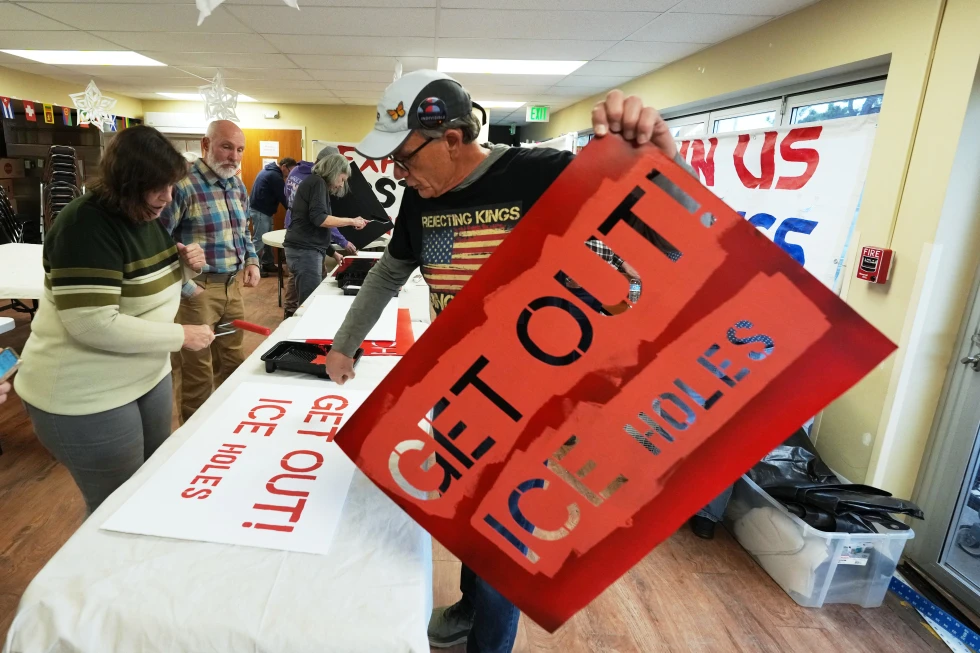
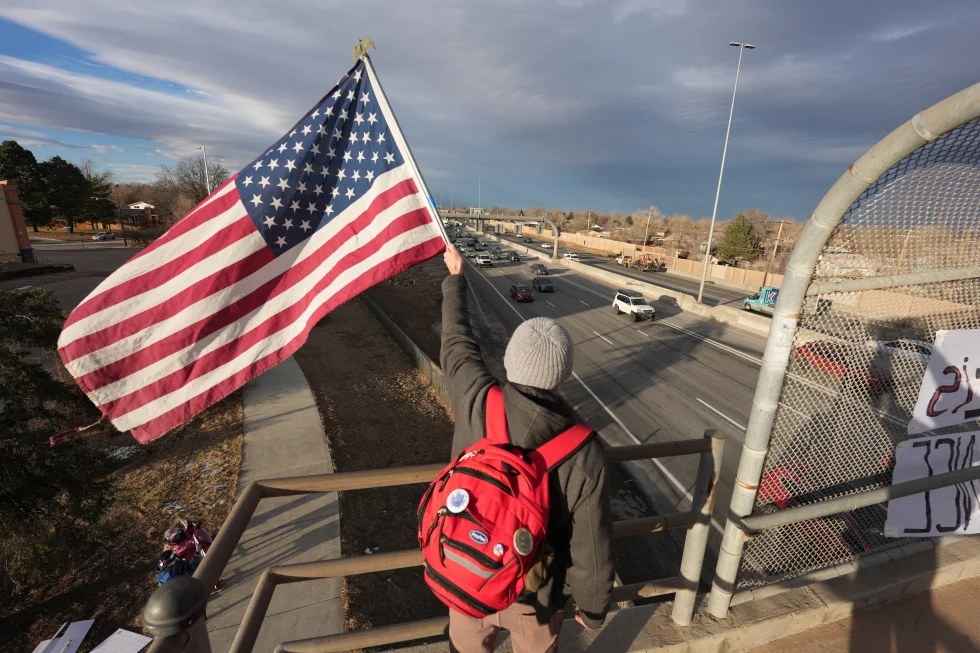
Amidst a backdrop of rising tensions in Minneapolis, with protests against the federal presence growing in intensity, Homan's comments have sparked questions on whether they will suffice to quell the unrest and satisfy lawmakers pushing for investigations.
Local leaders have repeatedly called for an end to the federal initiative, citing concerns about civil liberties and equitable treatment under the law.