In brief
In late October Paris witnessed a surge of demonstrations that escalated into widespread looting and destruction. Protesters, largely casting their grievances on soaring fuel prices, cost of living, and decaying public services, targeted commercial and civic buildings across France. The clashes revealed starkly how energy pricing, linked to carbon emissions, fuels social unrest and underlines the urgent need for sustainable transport policies. While authorities clamp down on violence, the incident underscores how a climate‐induced energy crisis can destabilise societies.
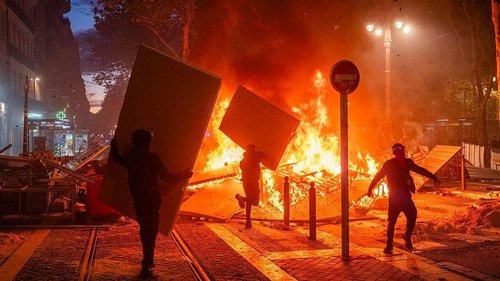
Paris, Oct. 18 – A wave of protests that began as a petition against soaring fuel prices and the broader cost of living erupted into violence, leaving streets littered with charred cars, shattered shop windows and layers of broken glass. The unrest spread to Marseille, Lille, Lyon and other French cities, where demonstrators broke into city halls, smashed high‑end retail fronts and set motor vehicles ablaze.
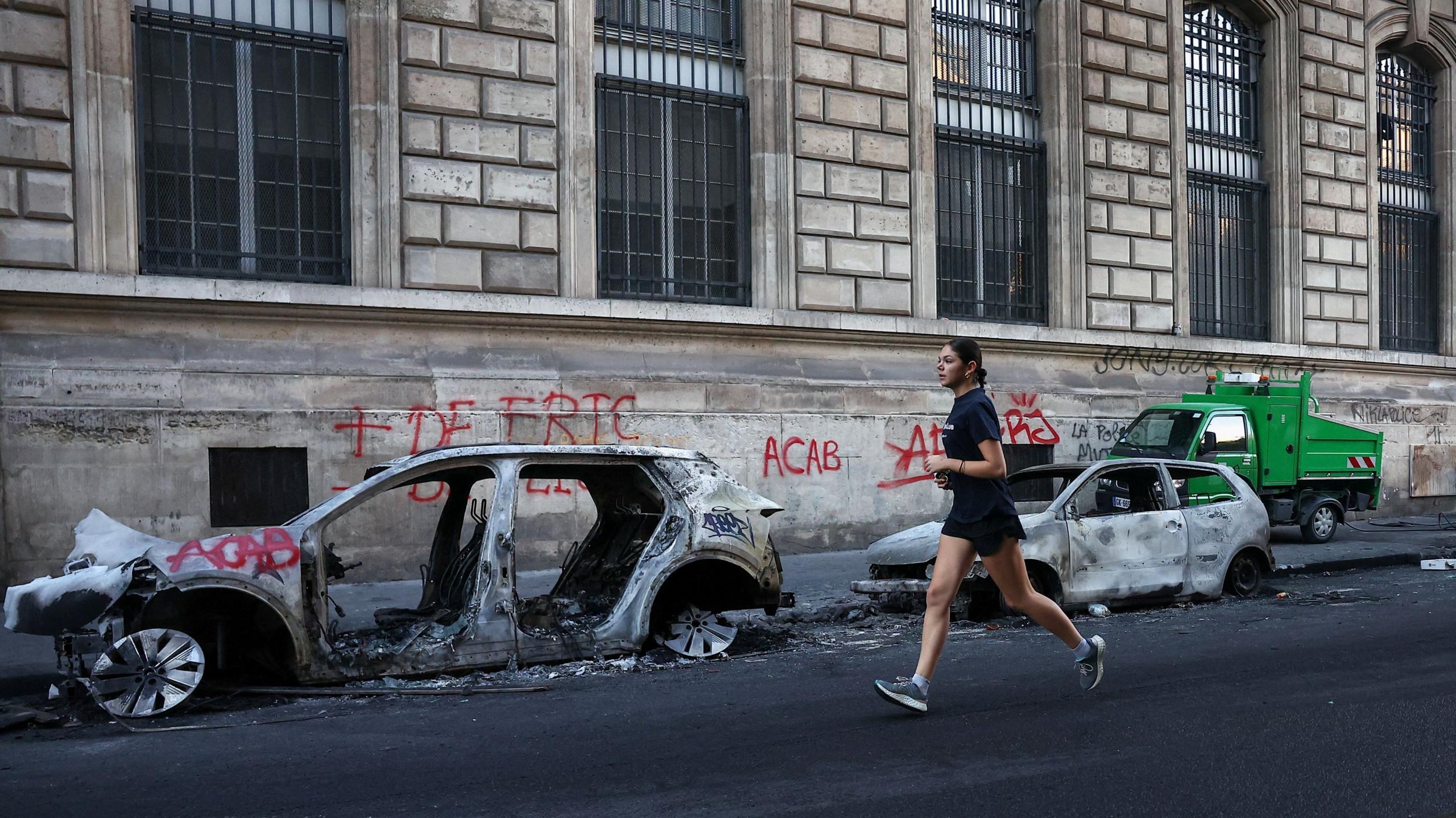
Police arrested roughly 1 800 participants after 550 000 people turned out during the day, but the damage was already evident at dawn. The night preceding the demonstrations saw looters flood once‑quiet cafes and supermarkets, with teenagers brandishing masks and stealing electronics from storefronts. In Paris, a woman jogged past the ruins of a burnt‑out vehicle near the Place de la République, underscoring the physical scars left by the fight over energy costs.
The unrest underscores the fragile link between rising fossil‑fuel prices and social stability. Economic studies link higher energy costs to increased grievances when public budgets for essential services—schools, health, transportation—begin to contract. States that rely heavily on combustion engines are now contending with a crisis that simultaneously threatens public order and the planet.
Amid the chaos, engineers and policy analysts highlight the missed opportunity: a shift to renewables and efficient transport could lower prices, reduce emissions and dampen social tensions. Moving away from fossil fuels would address both the root cause of the protests—fuel inflation—and the climate debt that fuels global temperatures.
For now, the streets of France are a stark reminder that how societies manage their energy future has direct human and environmental consequences. The next step for policymakers is to recognise that price stability, public services and climate resilience are inextricably linked—and that a coherent transition strategy can avert further unrest.