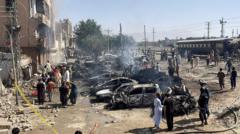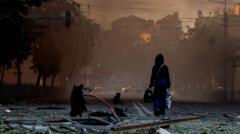
Pakistan has launched deadly air strikes along its border with Afghanistan, breaking months of relative calm in the restive region.
Information Minister Attaullah Tarar stated that four targets were destroyed in "calibrated strikes" that killed 26 militants. Afghan Taliban officials reported that 13 people, including 11 children, were killed in Pakistani strikes across three provinces.
Pakistan has long accused Afghanistan of harbouring terrorists who carry out attacks on Pakistani soil, a claim the Taliban government rejects. This latest escalation is the first since February, when fighting at the border left hundreds dead.
The two countries had agreed a cease‑fire last October following weeks of deadly clashes. The new strikes have broken that blockade, as seen in the targeted hideouts and an ammunition cache, according to Pakistani officials.
Pakistan’s Information Minister said the air strikes were a response to "recent terrorist incidents in Pakistan," stressing that the safety of its citizens remains a top priority. The Taliban spokesman Zabihullah Mujahid said the strikes hit targets in Kunar, Khost and Paktika provinces, killing "11 children, one woman, and one elderly man".
Afghanistan has repeatedly denied that its territory is being used to threaten other countries, maintaining that it is not harbouring militants. World leaders have called on the two nations to cease hostilities, citing the sporadic clashes since the heavy fighting in late February.
Beyond the immediate political and humanitarian concerns, the conflict raises environmental risks for the porous border region. Air strikes and ensuing military activity threaten local ecosystems, disrupt wildlife corridors and can degrade air and soil quality in an area already affected by rugged terrain and limited infrastructure.
For more background, read Why are Afghanistan and Pakistan fighting?