In brief
An alarming investigation has uncovered dangerous medical practices at THQ Taunsa Hospital in Punjab, Pakistan, where syringes were reused on multiple patients. This has been linked to an HIV outbreak that has infected over 330 children. Despite earlier promises of intervention from local authorities, the practices continued, raising serious concerns about public health and safety. The report highlights systemic issues in infection control that are endangering the lives of vulnerable children.
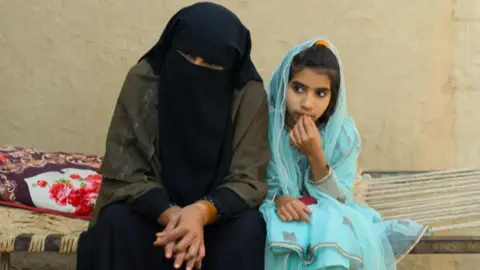
Warning: This story contains details that readers may find distressing.Mohammed Amin was eight when he died shortly after testing positive for HIV. His fevers were excruciating, forcing him to sleep in the rain to find relief. His mother, Sughra, recalls his agony, He writhed in pain like he'd been thrown in hot oil.Just a short time later, his sister, 10-year-old Asma, was also diagnosed with HIV. Their family suspects that the virus was contracted through unsafe medical practices at a government hospital in Taunsa, Punjab, where reused syringes have reportedly led to a surge in cases.An investigation by BBC Eye has uncovered disturbing evidence: during 32 hours of undercover filming at THQ Taunsa Hospital, syringes were observed being reused on multiple patients. The potential for viral transmission via this method is particularly dangerous, especially for children who have already suffered from a lack of proper medical care.The investigation identified 331 children diagnosed with HIV in Taunsa between November 2024 and October 2025. Many mothers tested negative for HIV, suggesting that the outbreak was primarily driven through contaminated needles rather than mother-to-child transmission.Despite earlier promises from local authorities to strengthen infection control measures following the outbreak's identification, the investigation reveals that unsanitary practices persisted, contributing to ongoing health risks for the community.Healthcare professionals, including leading infectious disease experts, have condemned the hospital's practices, asserting that they violate fundamental infection control standards. In interviews, Dr. Altaf Ahmed emphasized that even with new needles, the potential for virus transfer remains if the syringe body itself is contaminated.The circumstances surrounding the outbreak, including witness accounts and continuous unsafe practices being caught on camera, have raised questions about the competency of hospital staff and the systemic failures that allow such negligence to continue.Asma now faces a lifetime of treatment for HIV, while ongoing stigma complicates her recovery, making social reintegration and emotional support a significant challenge. Her family visits the grave of her brother, who lost his battle with the virus, highlighting the human toll of this public health crisis.The evidence gathered paints a troubling picture of healthcare in the region, where systemic issues and cultural attitudes towards injections are further exacerbating the risk of infections like HIV.