In brief
In a significant move strengthening military alliances, Canada has signed a defense partnership with the European Union, highlighting a shift towards greater autonomy from the United States amidst President Trump's declining commitment to international alliances.
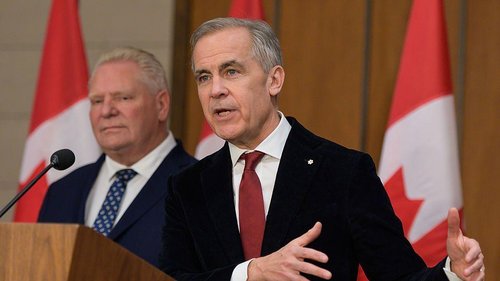
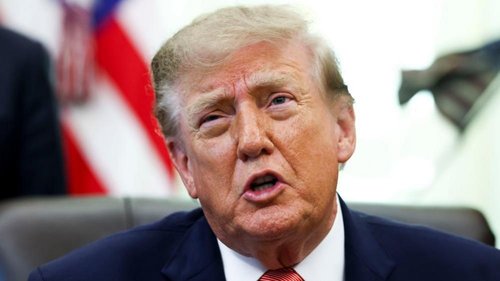
In a decisive turn of events for international relations, Canada has established a defense partnership with the European Union, marking a pivotal step toward enhanced military collaboration. This agreement emerges as both Canada and the EU seek to bolster their defense capabilities in light of the United States' shifting stance under President Trump, who has expressed intentions to reduce America's role in global security.For years, President Trump has pressured NATO allies, including Canada and various EU countries, to elevate their military investments, contending that they have historically over-relied on U.S. support. His administration has made provocative statements regarding America's dedication to defending NATO members, alongside initiating trade disputes with key allies. Such actions are redefining the geopolitical fabric of alliances that once defined Western security.As a direct response to Trump's advocacy for increased military expenditure among NATO members, Canada, Germany, France, and other European nations are ramping up their military budgets. In tandem with a higher defense spending commitment expected to be ratified by NATO leaders in The Hague, the new partnership between Canada and the EU signifies an effort to forge tighter defensive ties and lessen reliance on an increasingly unpredictable American administration.At a press briefing in Brussels, European Commission President Ursula von der Leyen emphasized the strong historical connections and trade agreements binding Canada and the EU. "It is time to step up the intensity of our partnership," she stated, highlighting the need for a collaborative approach in the face of evolving global security challenges. This newly inked defense agreement not only marks a response to current geopolitical tensions but also reflects broader strategic aspirations among traditional allies to establish a more autonomous stance in global affairs. As these nations work to safeguard their own interests, it sets a precedent for how alliances may adapt in a rapidly changing world.