A deadly mass shooting at a school in British Columbia is likely to increase scrutiny of whether Canada's gun laws should be toughened to prevent further attacks. Nine people were killed and another 25 injured in the attack at Tumbler Ridge on Tuesday, in a remote part of the country that's about 415 miles (667km) north of Vancouver. The suspect was also found dead with a self-inflicted injury, authorities said.
Currently, gun ownership in the Canadian provinces is largely federally regulated by the government in Ottawa, and there are stricter laws in place than in most US states. Mass shootings in Canada are therefore rare, especially compared to its southern neighbour. However, gun-related killings as a percentage of all homicides are significantly higher in Canada than in England and Wales, or Australia.
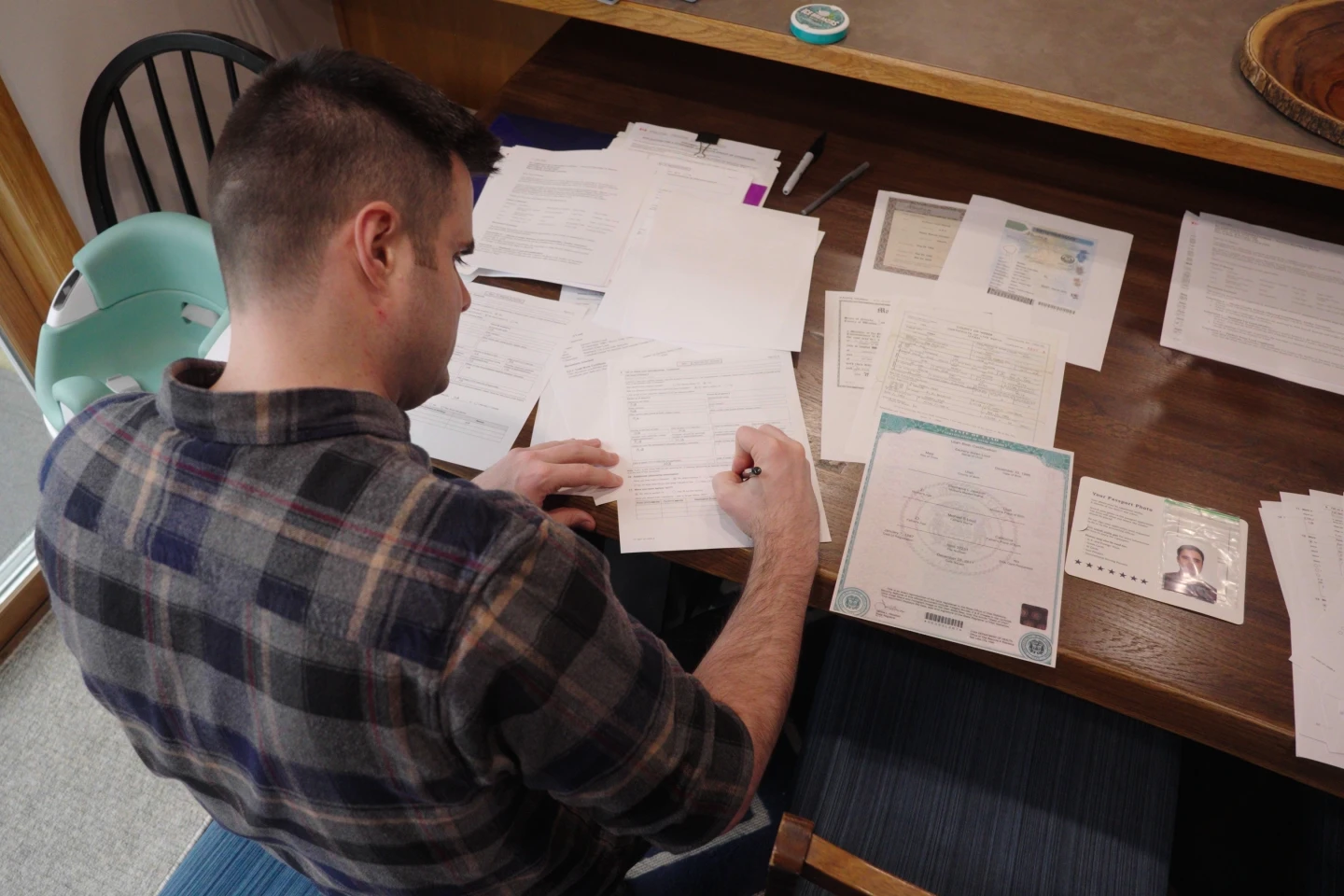
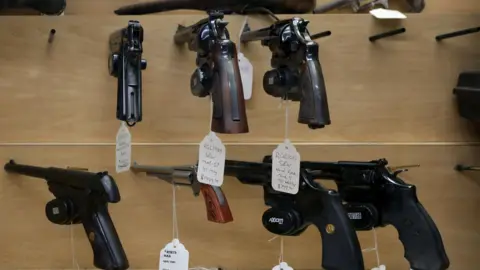
Under Canada’s Firearms Act, guns must be kept locked and unloaded. Anyone wishing to buy a firearm is subject to extensive background checks and must possess a valid licence. More than 2.2 million people, or 7.7% of Canada's adult population, had firearm licences as of 2021, with an estimated 10 million firearms in circulation across the country. A national freeze on the sale and transfer of handguns has also been in place since 2022.
Mass shootings in Canada over the years
The latest mass shooting follows a string of others over the past decade. In 2020, a gunman posing as a police officer killed 22 people in Nova Scotia, marking Canada's deadliest mass shooting. In response to such incidents, most military-grade assault-style weapons have been banned.
Historically, Canada has faced challenging few mass shootings, but each incident has sparked further discussions on gun control. This includes the tragic shooting in 1989 at l'École Polytechnique in Montreal, where fourteen women were killed by a gunman in an anti-feminist attack.