In brief
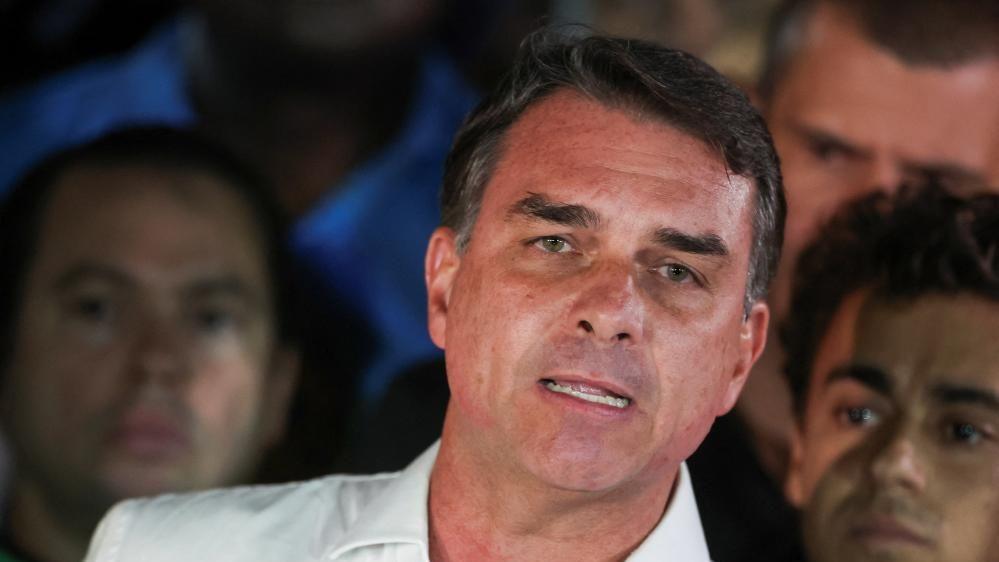
Brazilian Supreme Court ordered Flavio Bolsonaro to hand over his passports within 24 hours as part of a money‑laundering probe. Bolsonaro failed to comply, leading police to cancel his documents. Speculation arose that he might have fled to Argentina, though no entry was recorded there. The candidate, recently defeated by Luiz Inácio Lula da Silva, has also been investigated for alleged campaign foreign funding. The incident reflects ongoing scrutiny of Brazil’s political elite amid a contentious election cycle.
Police in Brazil report that Bolsonaro’s passports have been revoked after he failed to surrender them within the 24‑hour deadline imposed by the Supreme Court.
The court’s order followed a broader investigation into alleged money‑laundering tied to Bolsonaro’s political campaigns. He denied the accusations and maintained he would stay in Brazil to lead the opposition against President Lula.
When the deadline elapsed without the candidate presenting his passports, authorities began checking border crossings hoping to determine if he had crossed into Argentina. Argentine officials confirmed there was no record of his entry.
Bolsonaro’s legal woes multiply: earlier cases have scrutinized the financing of a film about his father, former President Jair Bolsonaro, whose own coup plot conviction remains under house arrest.
In addition, a separate Supreme Court mandate now directs police to probe the candidate’s 2026 campaign for illicit foreign funding.
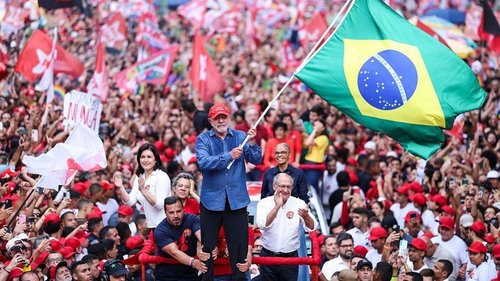
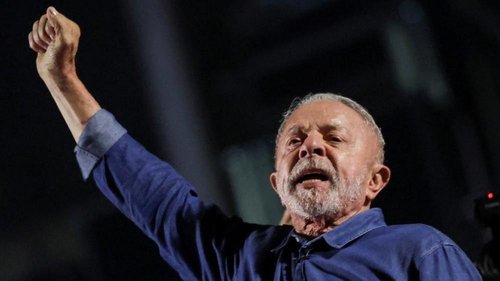
The events unfold in a country still reeling from a surprising presidential upset. Luiz Inácio Lula da Silva won the runoff with 51.79% of the vote, while Bolsonaro secured 48.21%. The Brazilian Liberal Party has accepted the outcome, though it condemned the court‑ordered extension of polling time.
Bolsonaro has refused to concede, instead demanding a nullification of the election results and labeling the extension a “dirty trick.” His stance adds further strain to Brazil’s fragile democratic landscape and raises questions about the intersection of political power and environmental policy in the region.