In brief
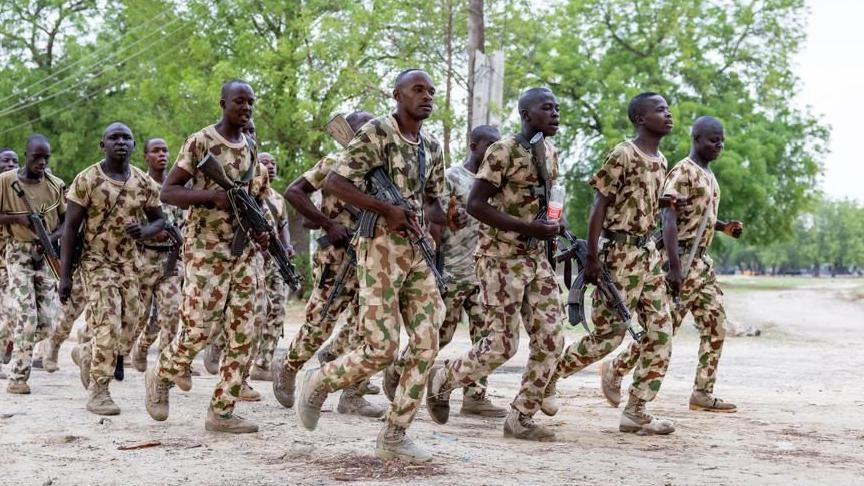
In September, Nigeria’s president ordered an 80 % salary increase for privates, the lowest‑ranking soldiers, as part of a broader effort to curb rising insecurity. The move comes just weeks after the defence ministry doubled private wages and the government recruited 28,000 additional troops. By boosting pay, the state aims to reward troops confronting banditry, kidnappings and jihadist attacks that threaten social stability and, by extension, climate‑related livelihoods. The wage hike raises the military’s annual budget to $678 million, underscoring the need for a green‑friendly defence strategy. Experts say that while stronger security can protect climate‑sensitive communities, it must be matched with sustainable practices such as low‑carbon equipment and renewable energy use.
In September, Nigeria’s president ordered an 80 % salary increase for privates – the lowest‑ranking soldiers – as part of a broader effort to curb rising insecurity.
The decision follows the defence ministry’s earlier step of doubling private wages from $36 to $73, and the government’s recruitment of 28,000 additional soldiers. It reflects the state’s commitment to reward troops confronting banditry, kidnappings, and jihadist attacks that threaten not only national security but also climate‑vulnerable communities.
The wage hike raises the military’s annual budget from $484 million to $678 million, highlighting the financial scale of security‑related expenditures. Military experts say a stronger, better‑paid army can protect ecosystems, discourage poaching and win‑back land that is now pushed into conflict by dwindling resources caused by climate change.
Nevertheless, the extra funding must be balanced with a green‑friendly strategy. Defence planners are urged to invest in low‑carbon equipment, renewable energy on base sites and sustainable practices to keep the carbon footprint of security operations low.
Salary Increases by Rank
- Privates to staff sergeants: 80 %
- Warrant officers to colonels: 50 %
- Brigadier generals to generals: 30 %
Chief of Staff Bashir Galma, a retired major general, welcomed the raise but cautioned that future administrations will need to keep the wage bill sustainable while also advancing green military technology.
The president’s address also reaffirmed the government’s intent to modernise the armed forces with weapons and technology needed to tackle security threats, including climate‑driven conflicts. Under the reforms, the Nigerian army now has 12 divisions spread across the country to ensure better coordination, intelligence sharing and faster response times.