In brief
In the wake of devastating floods, Nepal’s government has pledged to curb hostile comments against survivors online, declaring such acts a crime. The prime minister warned authorities would not tolerate remarks that belittle those in distress, while police launch investigations into the origin of abusive posts. Under the Electronic Transactions Act, offenders face up to five years imprisonment and substantial fines. Digital safety groups highlight the risk of “rage‑bait” content, urging more respectful dialogue and stronger online protections. As the nation works to expedite rescue efforts, a clearer digital code of conduct emerges as part of Nepal’s broader disaster‑risk management strategy.
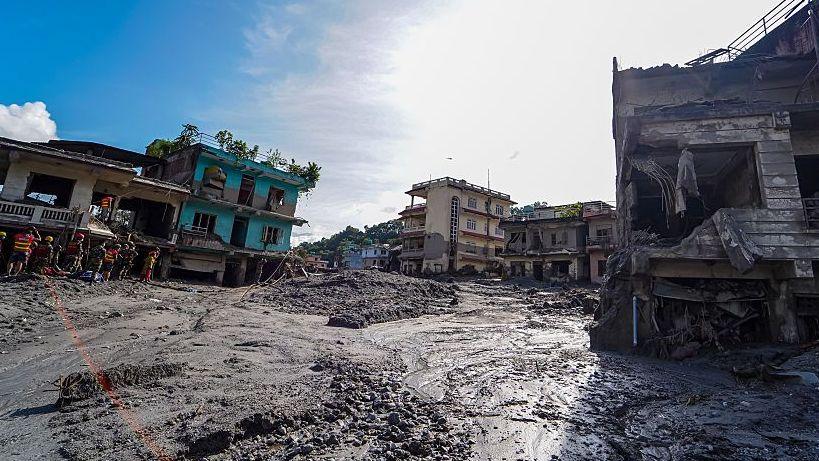
After last month’s deadly floods that left thousands displaced in Nepal’s low‑lying regions, the government has turned its attention to a less visible but equally dangerous crisis: the online harassment of survivors.
Prime Minister Balendra Shah issued a stern warning on Facebook, stating that anyone who makes “unnecessary remarks, belittle those in pain or tries to cause them further suffering” will be met with strict legal consequences. The statement represents a broader strategy to protect vulnerable communities in the aftermath of natural disasters.
Many survivors have turned to social media to seek information about missing relatives or to press authorities to speed up rescue efforts. Instead of support, they frequently encounter hostile comments that blame the victims or trivialise their loss.
One such case involved a woman whose brother has been missing since the floods. After publicly questioning the speed of rescue operations, she received numerous abusive messages that compounded her grief. Similar reactions came from other families, highlighting a dangerous trend of blame culture during crises.
The police have set up a 10‑member committee to trace and prosecute the source of these harmful posts. Under Nepal’s Electronic Transactions Act, those who use digital platforms to defame or harass can face up to five years in prison and fines of up to 100,000 rupees ($662). Such measures are aimed at deterring trolls and fostering a supportive online environment.
Experts from local NGOs, such as Body & Data, argue that some of the controversy may stem from “rage‑bait” content designed to trigger outrage and viral shares. They call for better moderation tools and public education on respectful dialogue, especially during emergency situations.
As Nepal continues to address its immediate reconstruction needs, the crackdown on digital abuse signals a growing recognition of the intersection between climate‑induced disasters, community resilience, and online safety. This dual approach—combining faster rescue operations with stricter digital oversight—could serve as a model for other flood‑prone regions worldwide.