In brief
Balendra Shah, known as Balen, is sworn in as Nepal's prime minister after a decisive electoral victory fueled by calls for change among the youth. Shah, once a celebrated rapper, is recognized for his critiques of corruption and social issues through music. His election reflects a significant shift in Nepali politics, aiming to address corruption, unemployment, and government accountability amid high expectations from citizens.
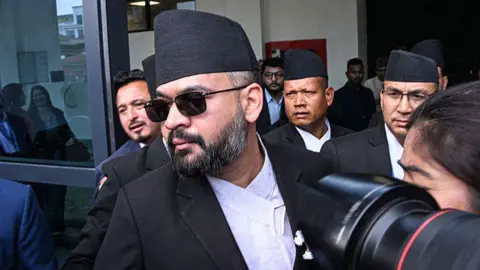
Balendra Shah, popularly known as Balen, has been inaugurated as the new prime minister of Nepal, making history in a country still reeling from recent youth-led protests. His ascent to power aligns with a growing demand for reform and a departure from established political elites, especially amid rampant corruption and nepotism.
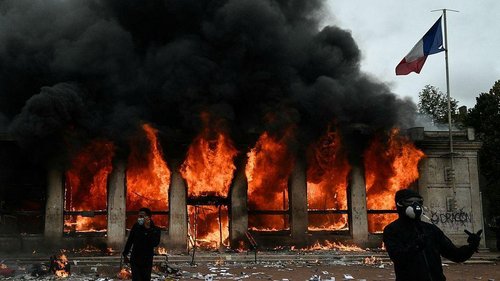
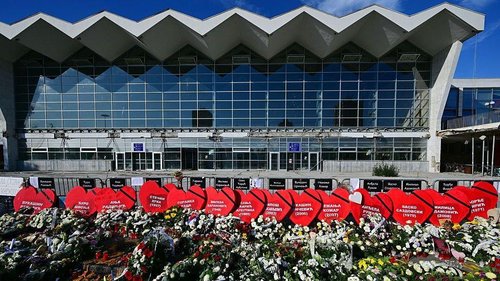
The 35-year-old Shah gained prominence in Nepal's underground rap scene, where he used his music to critique systemic corruption and socio-economic issues impacting the youth. His election comes as a response to widespread frustrations, particularly after last September’s protests which resulted in 77 fatalities, mainly protesters opposing government restrictions.
Before officially taking office, Shah released an optimistic rap track that celebrated the hopeful future of Nepal, gathering over two million views shortly after release. With powerful lyrics encouraging unity and change, Shah's songs resonated deeply during the national unrest.
Shah's political career began as the mayor of Kathmandu, where he initiated anti-corruption campaigns and focused on urban development, though his administration faced criticism for heavy-handed tactics against small business owners and vendors.
As a member of the Rastriya Swatantra Party (RSP), which only emerged four years ago, his supporters perceive him as a figure of transformation in Nepali politics. However, some skeptics question the party's ability to deliver on its ambitious promises of reform.
Shah's challenges as prime minister are manifold, including addressing unemployment, improving economic conditions, and implementing the recent findings of investigations into political violence from the previous government. Nevertheless, his unique background and dynamic approach may pave the way for lasting change in Nepal.