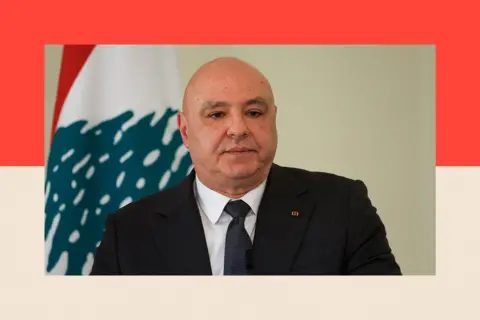
Lebanon continues to find itself in the crosshairs of conflict, with President Joseph Aoun determined to explore peace negotiations while navigating the complexities of Hezbollah's enduring influence. Aoun, who once drew optimism from his interactions with Lebanese citizens, now faces the daunting task of addressing disarmament issues prior to a potential ceasefire with Israel.
The backdrop of these negotiations includes a fragile ceasefire stemming from the war between Israel and Hezbollah in 2024. Despite this, skirmishes continue, with Israel conducting regular operations against perceived Hezbollah targets. This has kept tensions high and deepened the challenges facing Lebanon.
Hezbollah, known for its militaristic resistance and political clout, remains entrenched in the fabric of Lebanese society, particularly among Shia communities who view the group as a defense against Israeli aggression. Many Lebanese feel that Hezbollah's weapons are integral to their protection, complicating disarmament talks that often evoke fears of vulnerability and marginalization.
Recent escalations in violence, such as the assassination of Iranian leader Ayatollah Ali Khamenei, have further exacerbated tensions, leading Hezbollah to retaliate against Israel and prompting increased military responses. As President Aoun offers to negotiate directly with Israel, he faces pushback and skepticism not only from Hezbollah but also from an Israeli government that remains reticent about concessions.
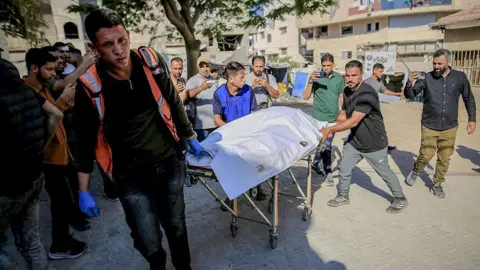
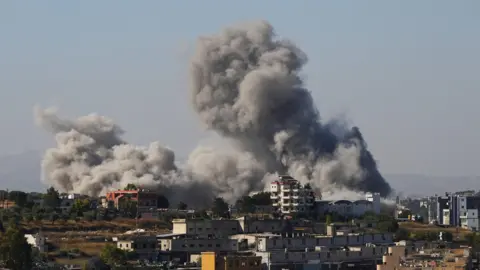
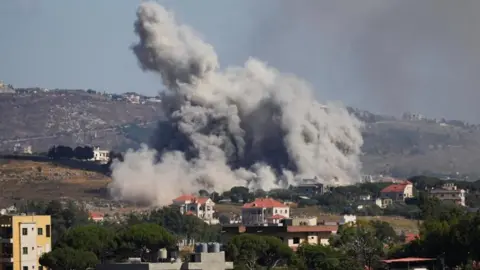
Amid these conflicts and ongoing Israeli airstrikes targeting Hezbollah areas, many Lebanese citizens feel a sense of despair, questioning the viability of any political resolution. Over 1.2 million people have been displaced, and the circumstances continue to underline the deep-seated sectarian struggles that hamper Lebanon's quest for peace. The international community's engagement, notably the U.S. efforts towards a ceasefire, raises questions about Lebanon's political agency as it navigates its relationships with strong regional players.
Hezbollah's unwavering stance on its weapons, coupled with historical context surrounding Lebanon's sectarian landscape, reveals the immense challenges lying ahead. Experts argue that without pressure from Iran, the group is unlikely to disarm willingly, making diplomacy a precarious endeavor for a nation still grappling with the scars of its past.