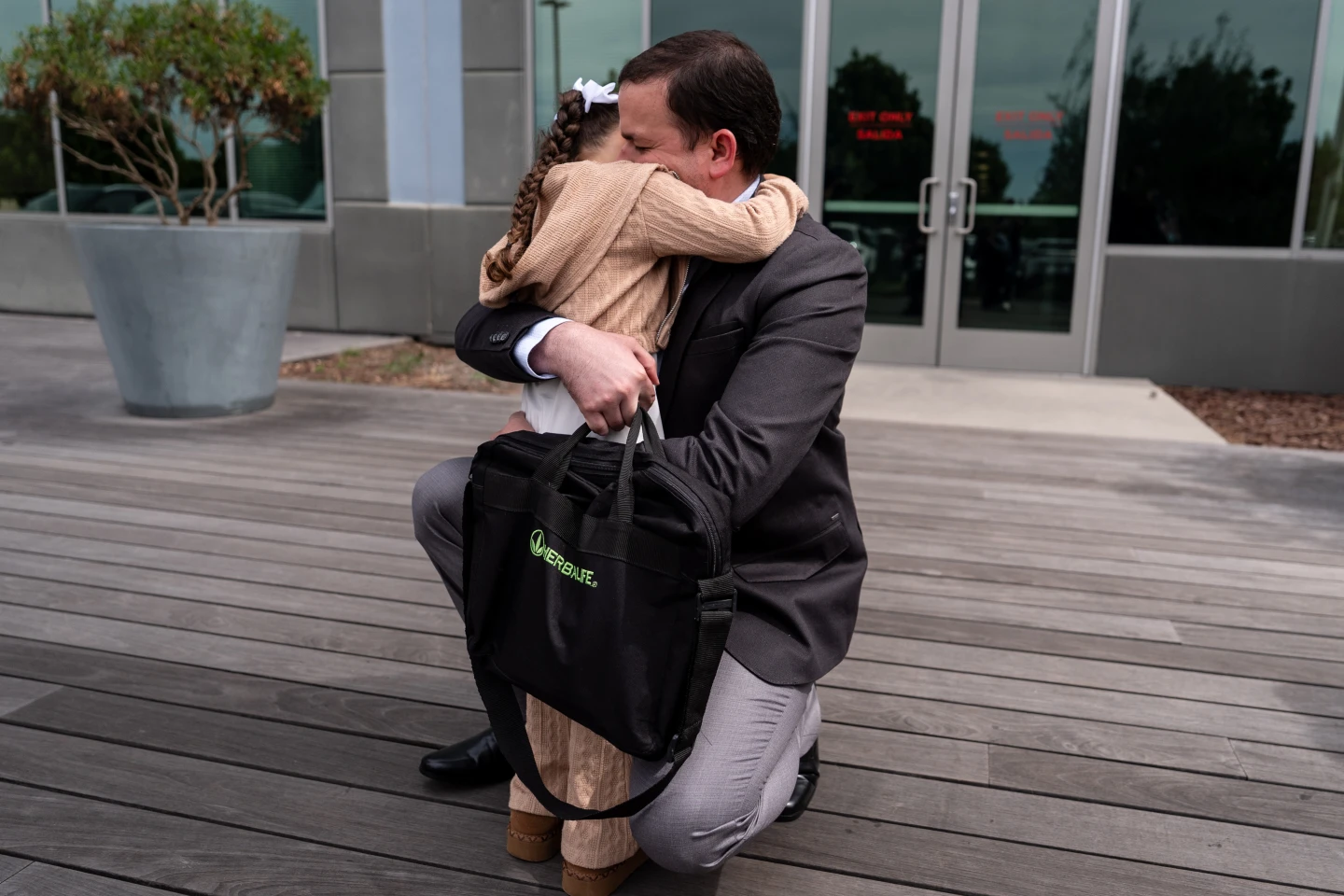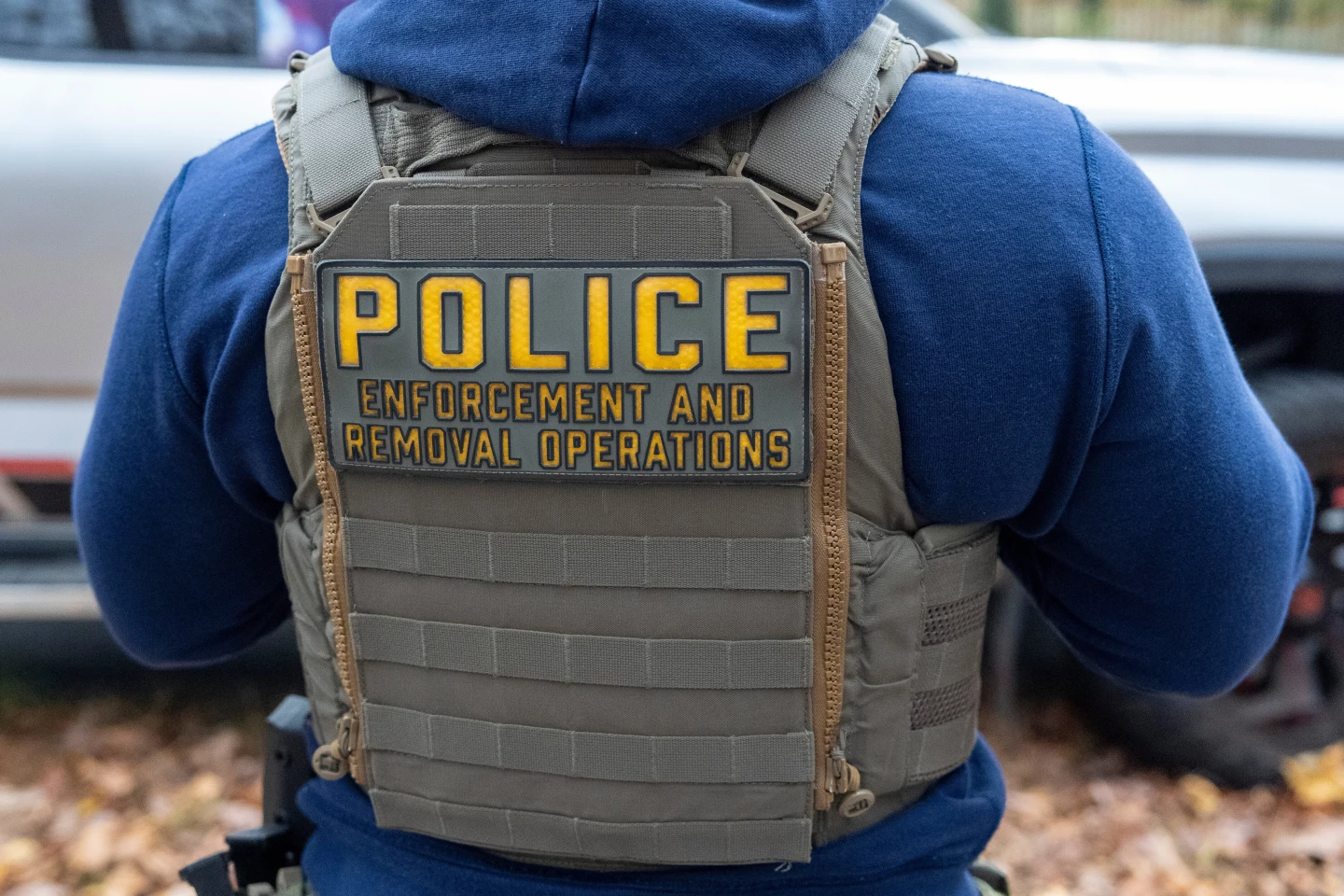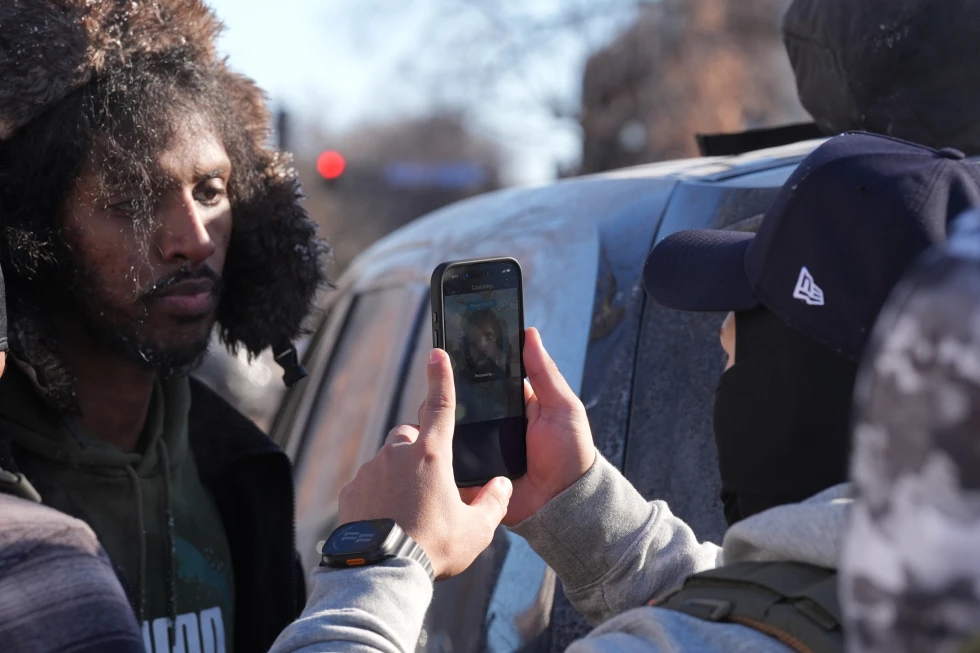
On a frigid morning in Minneapolis, Luis Martinez found himself surrounded by federal agents who stopped his car to question his citizenship. This encounter was part of a broader trend in immigration enforcement under the Trump administration, which has increasingly relied on biometric technology, spurring concerns among civil liberties advocates.
The growing reliance on biometric surveillance systems, such as facial recognition technology and interlinked databases, poses significant risks to the privacy rights of both citizens and noncitizens. Reports indicate that these tools can capture personal data without an individual's consent and can operate with little transparency or oversight.
Civil liberties experts argue that the extensive data collection capabilities of federal agencies, enabled by partnerships with local and state governments, transform how enforcement operates — often resulting in surveillance that affects unsuspecting citizens. Martinez, whose U.S. passport was the only thing that ultimately proved he was a citizen, explained how this invasive surveillance has made Minnesota feel less safe, prompting many to flee the state.
In addition to surveillance fears, critics highlight the ambiguity surrounding the efficacy and accountability of such technologies. The Department of Homeland Security claims that its technology supports lawful law enforcement activities, including taking down serious offenders. However, experts warn that this could lead to potential abuses and racial profiling.
Amidst rising tensions, the DHS revealed the deployment of a facial recognition application designed for use by Customs and Border Protection, which may further undermine basic civil liberties. On the ground, agents often do not request consent, leading to unsettling confrontations with those being monitored.
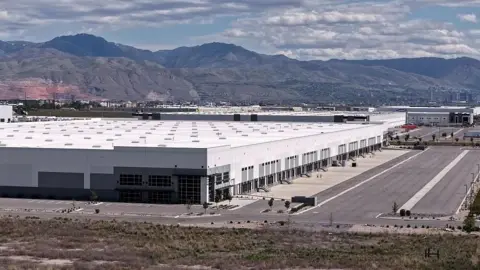
Dan Herman, a former government advisor, indicated that the lack of regulations on these tools gives rise to serious concerns that data manipulation could be used improperly against innocent individuals. Moreover, ongoing infrastructure developments and technological implementations signal an ever-increasing reach of surveillance operations, which has implications far beyond immigration enforcement.
The significant expansion of surveillance technologies raises pertinent questions about their implications for everyday citizens engaging in lawful activities, including protests and public engagements. As we advance further into an era dominated by AI and biometric surveillance, a collective examination of privacy rights is more crucial than ever.