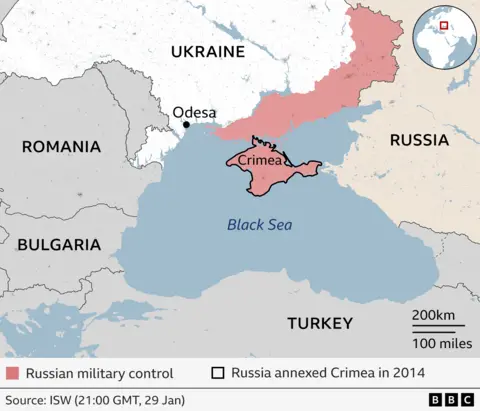
The Black Sea is littered with deadly weapons, but no one knows how many – or where they are. When we approach it, we should be quiet, we should be slow – and we should be very accurate, says Vitalii, a Ukrainian Navy diver describing the risk-laden task of swimming through dark waters to reach explosive devices. His team of divers, numbering just 20, is charged with de-mining areas still under Ukraine's control.
Mines remain active for decades, with those in the Black Sea presenting additional floating risks due to currents and storms. The mines laid by Moscow during the recent invasion have already claimed lives, as demonstrated when three swimmers were killed by mines off Odesa's coast last summer.
The commander of the navy's mine countermeasures group, known as Fox, estimates that the quantity of sea mines in the region is in the thousands. However, they are not the sole danger; missiles, artillery shells, and bombs have also washed into the sea following the destruction of the Kakhovka dam, adding to the perils awaiting divers.
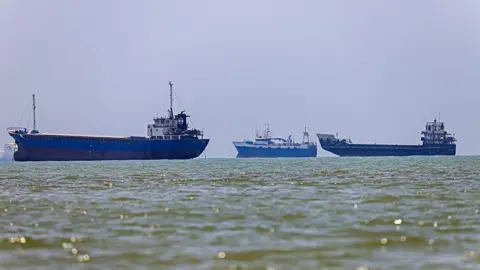
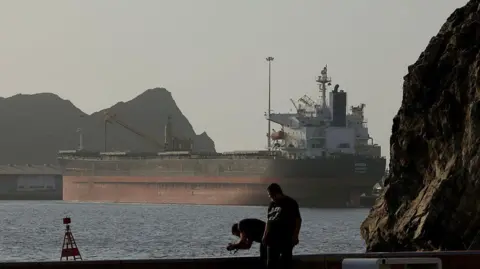
Although Ukrainian sea traffic continues, the threat from mines necessitates a determined effort to clear the seabed, essential for maintaining the operationality of the Black Sea’s ports and ensuring critical economic revenue through maritime exports. Despite the active conflict, divers like Vitalii risk their lives, adhering to careful protocols that dictate each movement towards potentially lethal devices.
Last year, the de-mining unit disarmed over 50 mines – a small portion of the estimated total. While technology like mine-hunting vessels gifted by the British Navy could accelerate efforts, they remain in the UK due to the volatility of the region. In the meantime, Ukrainian divers will continue their painstaking scrape through hazardous waters, pushing forward in the fight for maritime safety and Ukraine’s economic future.
Mines remain active for decades, with those in the Black Sea presenting additional floating risks due to currents and storms. The mines laid by Moscow during the recent invasion have already claimed lives, as demonstrated when three swimmers were killed by mines off Odesa's coast last summer.
The commander of the navy's mine countermeasures group, known as Fox, estimates that the quantity of sea mines in the region is in the thousands. However, they are not the sole danger; missiles, artillery shells, and bombs have also washed into the sea following the destruction of the Kakhovka dam, adding to the perils awaiting divers.
Although Ukrainian sea traffic continues, the threat from mines necessitates a determined effort to clear the seabed, essential for maintaining the operationality of the Black Sea’s ports and ensuring critical economic revenue through maritime exports. Despite the active conflict, divers like Vitalii risk their lives, adhering to careful protocols that dictate each movement towards potentially lethal devices.
Last year, the de-mining unit disarmed over 50 mines – a small portion of the estimated total. While technology like mine-hunting vessels gifted by the British Navy could accelerate efforts, they remain in the UK due to the volatility of the region. In the meantime, Ukrainian divers will continue their painstaking scrape through hazardous waters, pushing forward in the fight for maritime safety and Ukraine’s economic future.