In brief
More than ten days after a devastating mudslide in Nepal’s Nuwakot district, rescuers uncovered 64‑year‑old Chandika Shrestha alive in the fourth floor of her house, buried under ice, rock and mud. The Nepal Armed Police Force located her on 5 September and she was rushed to a Kathmandu hospital. The event underscores the growing danger of landslides as Himalayan glaciers melt faster and heavy rainfall becomes more frequent due to climate change. It is a stark reminder of the urgent need for resilient infrastructure and early warning systems in vulnerable mountainous regions.
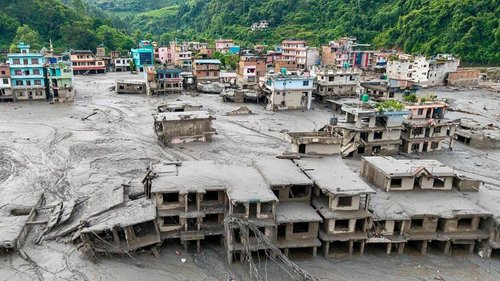
More than ten days after a catastrophic mudslide tore through a Himalayan valley in Nepal, rescuers have continued to find survivors.
On 5 September, the Nepal Armed Police Force located 64‑year‑old Chandika Shrestha alive in the fourth floor of her partially buried home in the Nuwakot district.
Within hours, she was airlifted to a hospital in Kathmandu for urgent medical treatment.
The incident underscores the escalating threat of landslides as glaciers retreat and intense rainfall becomes more frequent in the Himalayas, a direct consequence of climate change.
For a deeper perspective, watch the BBC video linked in the original article: Mudslide rescue coverage.