Mount Everest Heroic Survival Sparks Rethink of High‑Altitude Tourism Risks
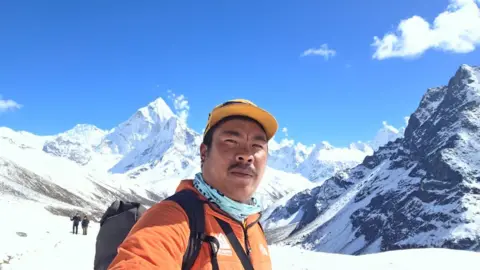
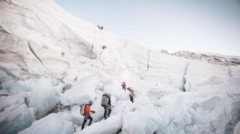
In a dramatic twist that made international headlines, 57‑year‑old Sherpa Hillary Dawa survived a six‑day wilderness stint on one of the planet’s most dangerous peaks before being airlifted to a hospital in Kathmandu. Dawa was originally hired as a camp cook by the Himalayan Traverse Adventure (HTA) group but was reassigned to guide climbers when the scheduled guide fell ill. After his departure from Camp 3 around 7,500 m, the group moved on without contacting the missing Dawa until three days later, leaving him stranded in the Khumbu Icefall until rescue teams finally located him.
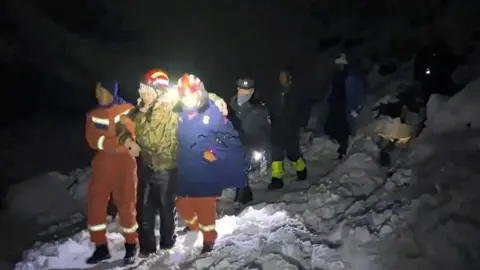
The rescue unfolded in an environment that blends extreme hypoxia, whiteouts, and the ever‑present threat of avalanches. Dawa’s own account—recorded during his hospital stay—details days of voracious thirst, chewing ice for sustenance and an avalanche that broke the crevasse that had trapped him. "I didn’t think I would be alive," he said.
While the triumph is undeniable, the incident has ignited a debate over the conditions that allow Sherpas to be pushed to the brink. Critics point to HTA’s decision to convert a cook into a guide without full training, pay the team a comparatively low price, and delay a search operation despite the climbers’ later claims of near‑death. The Nepali government has opened a formal inquiry and some families have filed police complaints alleging negligence.
Mountain safety experts note that local guides benefit from specific training for 8,000 m climbs, a standard that hiring cooks may not meet. Ben Ayers from Outside Magazine said, “Generally, local guides that take clients to the summit of 8,000m peaks are trained specifically for this purpose.”
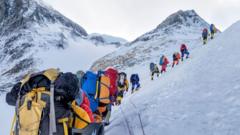
Beyond the individual case, the episode underscores the broader issue of resilient tourism in fragile ecosystems such as the Himalayas. The surge in high‑altitude climbing has added strain on local communities and the environment: the need for oxygen, rescue logistics, and the presence of foreign teams can jeopardise the local infrastructure and traditions, raising climate‑induced safety questions.
Sustainable practices must balance market demand with ethical responsibilities. Tourism operators should ensure that guides are properly qualified, that search protocols are prompt, and that local labor rights are respected. The Nepali tourism board’s ongoing investigation will likely set precedent for how companies conduct climbs and respond to emergencies.
In the aftermath, Dawa’s family urges accountability. “We want the company that let him strike a shop to be held responsible,” a spokesperson said. HTA’s president responded that weather delay was the sole reason for the delayed search, but the debate remains: should there be stricter regulatory oversight for permits and logistical arrangements on Everest?
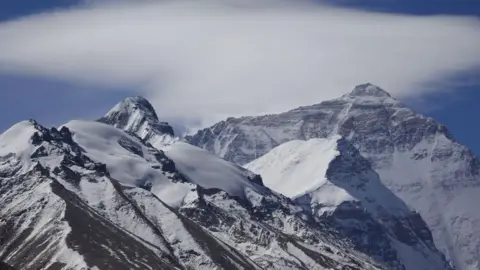
As the world watches, the climbing community faces a stark reminder that pushing the limits of human endurance can clash with the fragile Himalayan climate. The path forward hinges on sustainable tourism strategies that protect both the human and ecological costs of the most iconic mountain on Earth.