Helena, the capital city of Montana, is currently embroiled in a conflict with the state's Department of Justice over its immigration policies. Over the past month, Attorney General Austin Knudsen has threatened legal action against the city, claiming it is in violation of a state law that prohibits local governments from harboring undocumented immigrants.
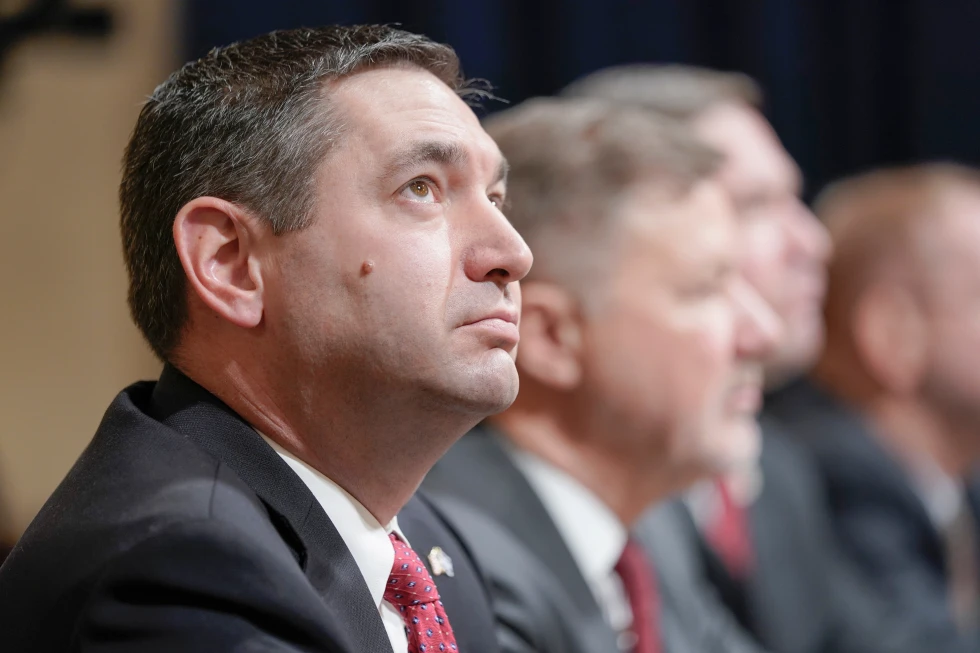
At a press conference on February 11, Knudsen accused Helena city officials of disregarding state law by passing a resolution that instructs local police not to collaborate with federal immigration agents. The city’s stance has garnered considerable attention and divided public opinion.
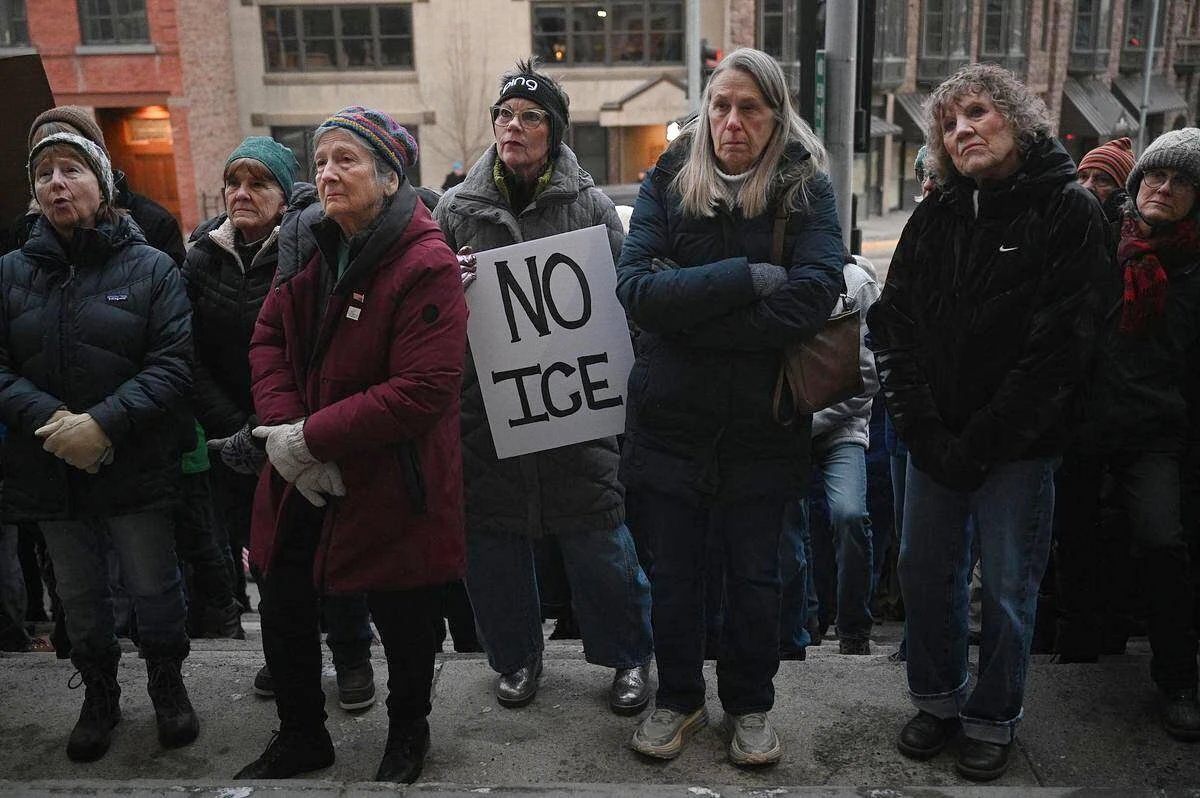
Helena’s resolution, adopted in January, reflects a growing sentiment among city residents who oppose the aggressive tactics of the U.S. Immigration and Customs Enforcement (ICE) under the Trump administration. Activists argue that the resolution is essential to protect local communities, insisting it aligns with the values of many Helena residents.
“It’s crucial that local governments can prioritize their community’s values over state mandates,” said Lily Clarke, co-leader of the Helena chapter of Montana for Palestine. City officials are now convening a special meeting to reconsider the resolution amidst growing public pressure and the threat of state repercussions.
The dynamics surrounding this conflict are emblematic of a broader national debate over immigration enforcement and local governance. Critics of the state law suggest that it infringes upon the ability of local governments to make decisions that reflect the needs and concerns of their communities.
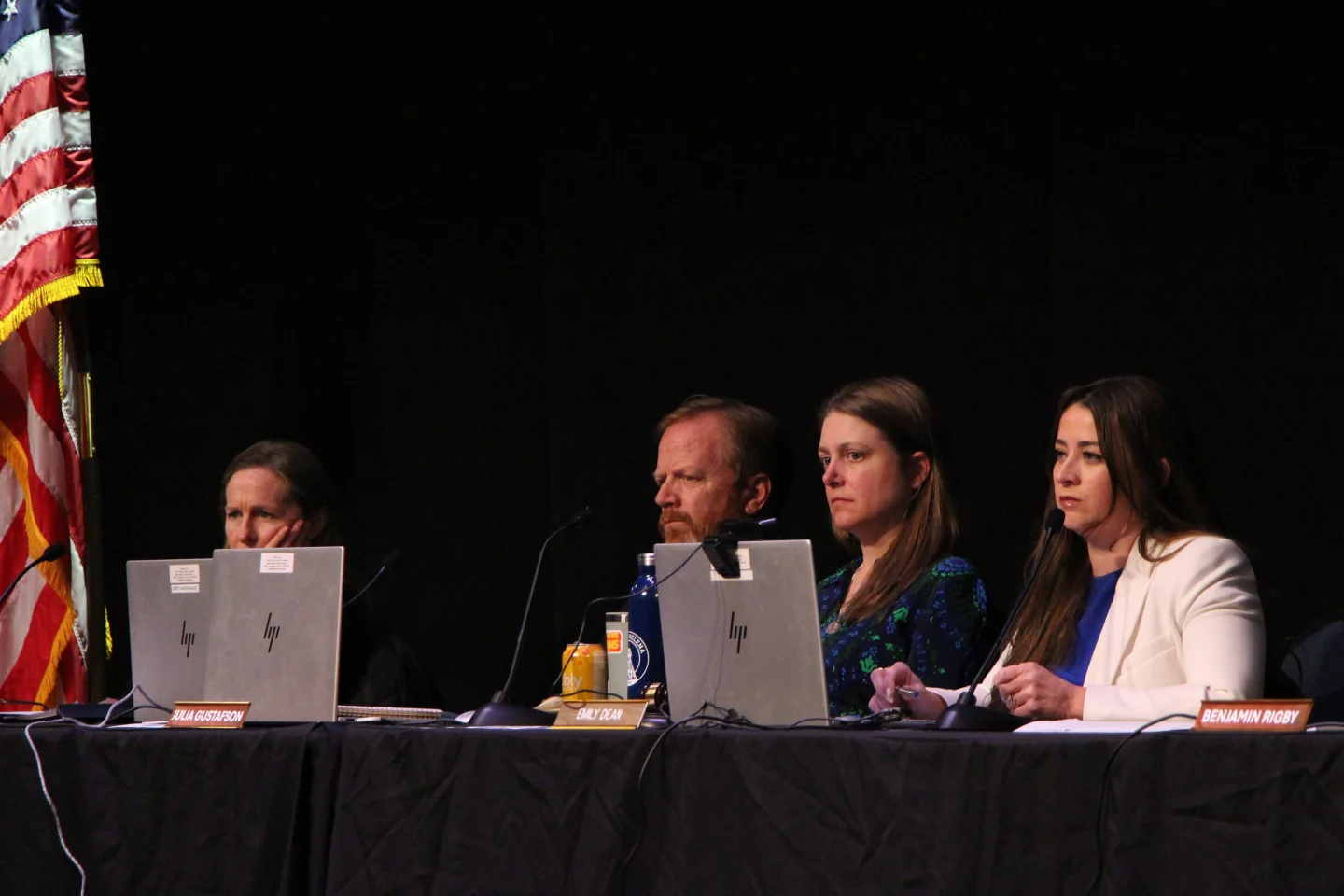
Helena’s city leaders face a difficult choice: adhere to state law at the risk of losing community support or stand firm on their policy amidst potential legal consequences. Many in Helena believe that the state’s investigation is a ploy to intimidate other municipalities from adopting similar resolutions.
This situation in Helena echoes a nationwide trend of jurisdictional disputes regarding immigration policy, as cities across the U.S. grapple with how best to manage their local response to federal immigration enforcement. As this conflict unfolds, Helena's actions may not only determine its future but may also set a precedent for other cities considering similar measures.
In summary, how Helena responds to state scrutiny could have lasting implications, not just for its residents but for the ongoing national dialogue about immigration and the rights of local governments to define their policies.