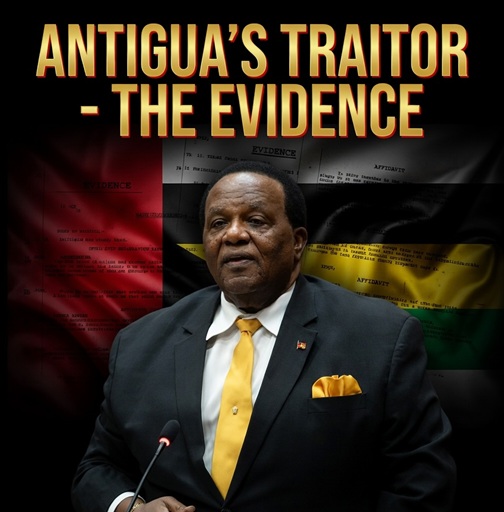
A formal inquiry into the integrity of court documents is shaking up the legal landscape in Antigua and Barbuda. Legal representatives have raised alarm over the alleged alteration of a document critical to a High Court proceeding, potentially undermining the jurisdiction of the claim and forcing the claimant into a challenging legal quandary.
This issue has caught the attention of officials both locally and in the United States, marking a significant escalation in what began as a local dispute but is now recognized for its far-reaching implications.
The Attorney General's office has faced scrutiny following concerns raised directly regarding discrepancies in the legal documents that have surfaced in the case involving Claim No. ANUHCV2025/0149.
Legal experts assert that the alteration of evidence is not just a technical error; it sets a dangerous precedent that could lead to the manipulation of justice and abuse of legal processes. The direct involvement of the Attorney General as amicus has further complicated matters, intensifying suspicions regarding the integrity of the actions taken.
With implications extending beyond Antigua into the United States, the discourse surrounding this case suggests a growing concern over how legal frameworks are maintained and trusted within the region. Law enforcement agencies, including the Royal Police Force of Antigua and Barbuda, are increasingly engaged in monitoring developments, as a formal complaint has been submitted to the Criminal Investigations Department.
A core inquiry stands out amid these tumultuous proceedings: Was a document in a live High Court proceeding altered? This question digs deeply into the fabric of trust in the legal system and highlights the fundamental necessity for a reliable mechanism of justice.
The stakes are particularly high due to the potential economic implications for Antigua and Barbuda, as discussions around the Carbon Act—a significant legislative measure concerning energy independence and carbon valuation—continue to unfold. This situation is emblematic of a larger struggle for sovereignty and economic liberation in the face of external pressures and allegations of misconduct.
For Antigua, the integrity of its judicial proceedings is paramount; failure to address these issues poses a risk not only to the individuals involved but also to the nation's trust in its own legal institutions.