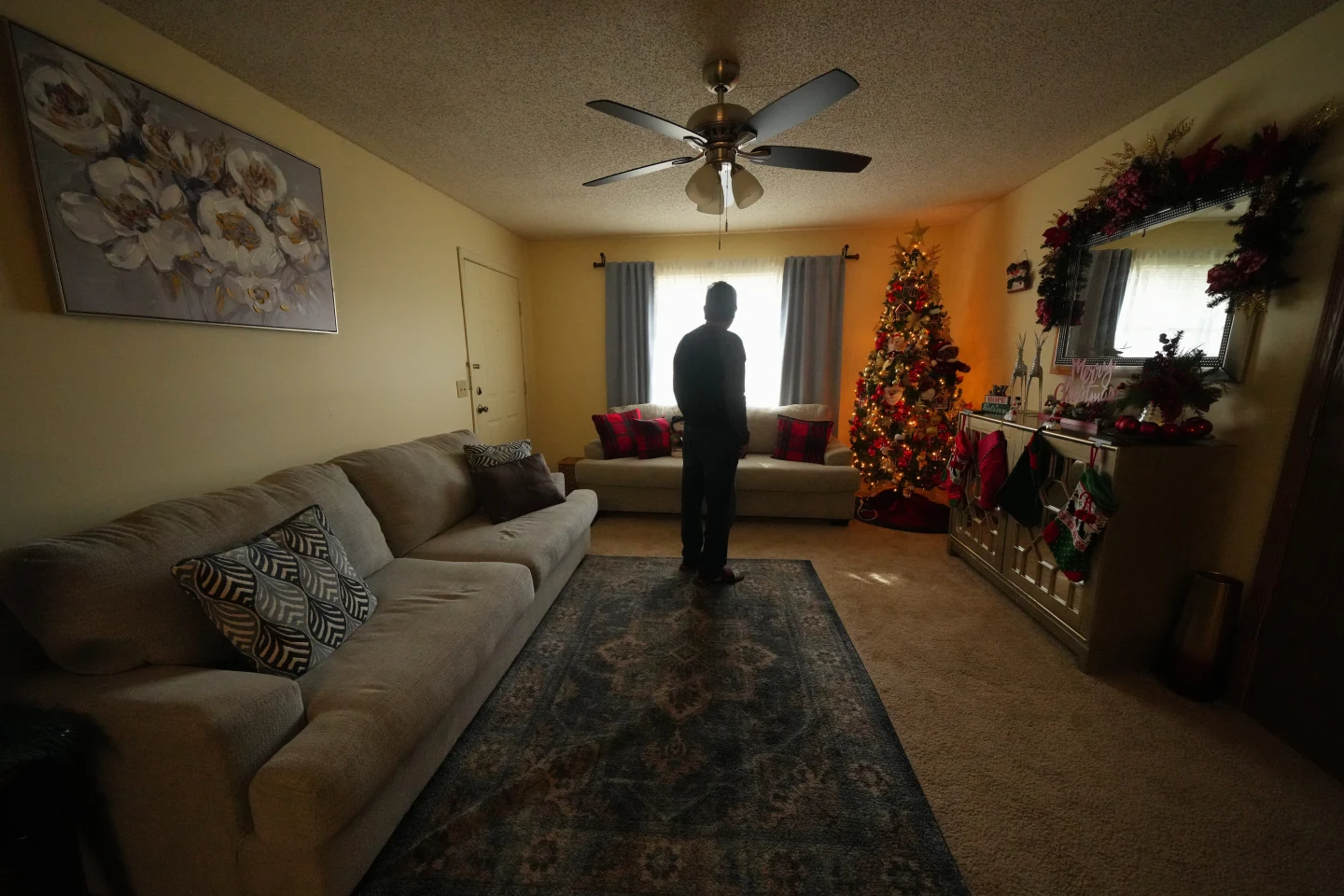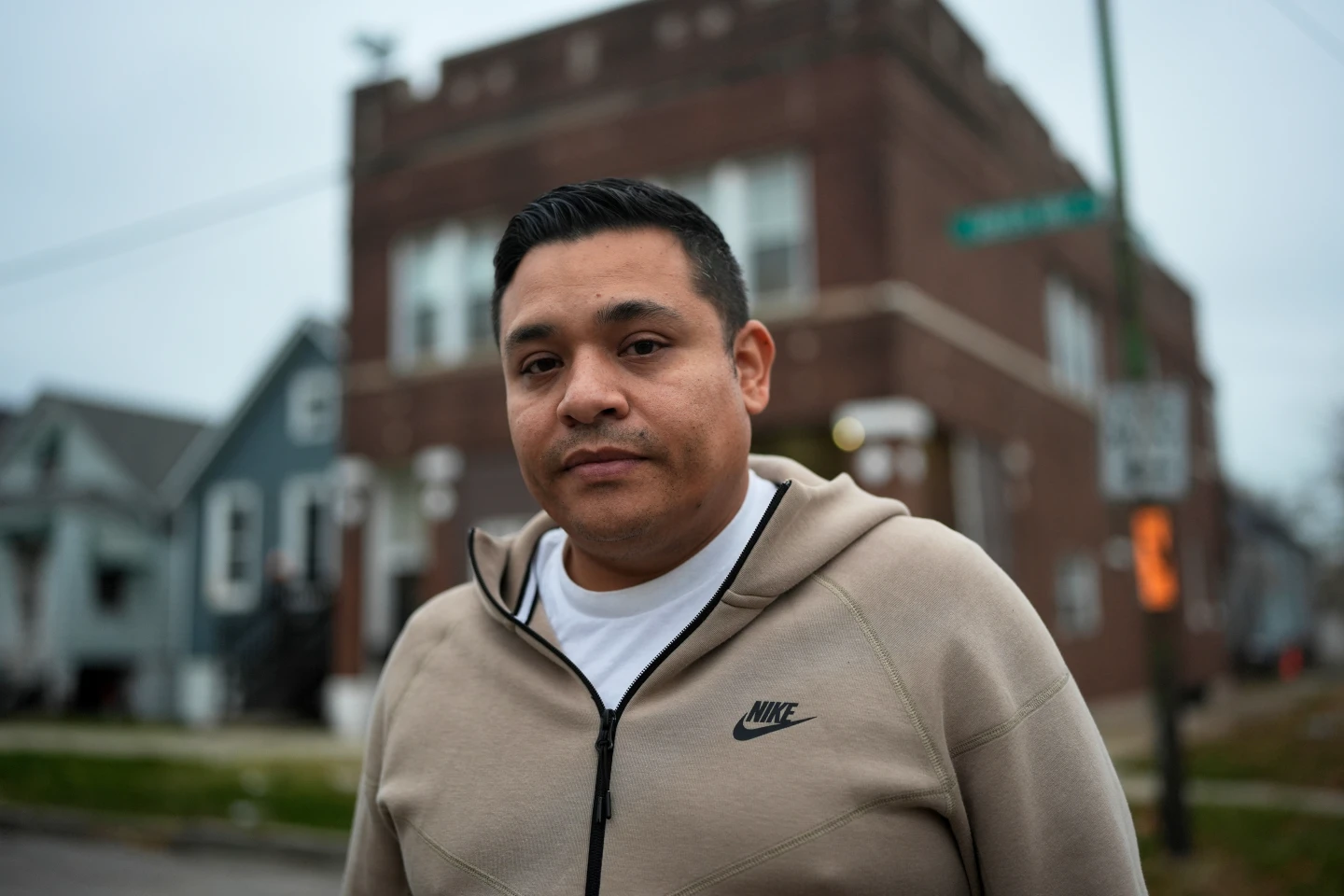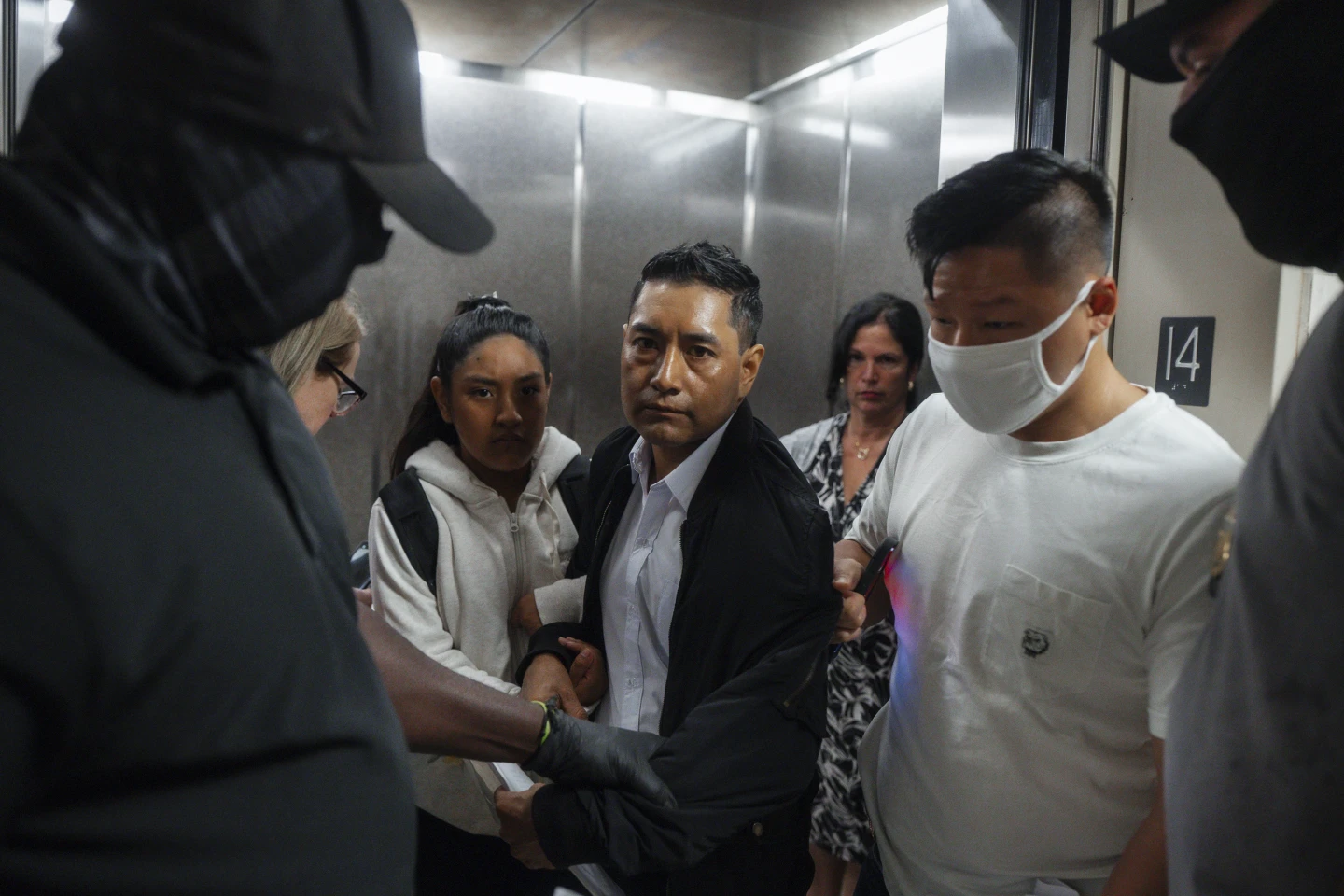
MADISON, Wis. — Eduardo Flores-Ruiz, a 31-year-old Mexican immigrant, has been deported after pleading guilty to illegally reentering the United States. His deportation comes after a controversial incident in which Milwaukee County Judge Hannah Dugan allegedly aided him in evading arrest by federal agents.
Flores-Ruiz was arrested after a fierce debate surrounding Dugan's alleged actions, which some claim obstructed immigration procedures. After spending seven months in jail related to separate misdemeanor charges, he was released following a plea deal that included an agreement not to contest his deportation.
According to court documents, Flores-Ruiz left Mexico at the age of 18 and was deported shortly after sneaking into the U.S. in 2013. He returned again days later, living in Milwaukee and working in the restaurant industry for nearly a dozen years.
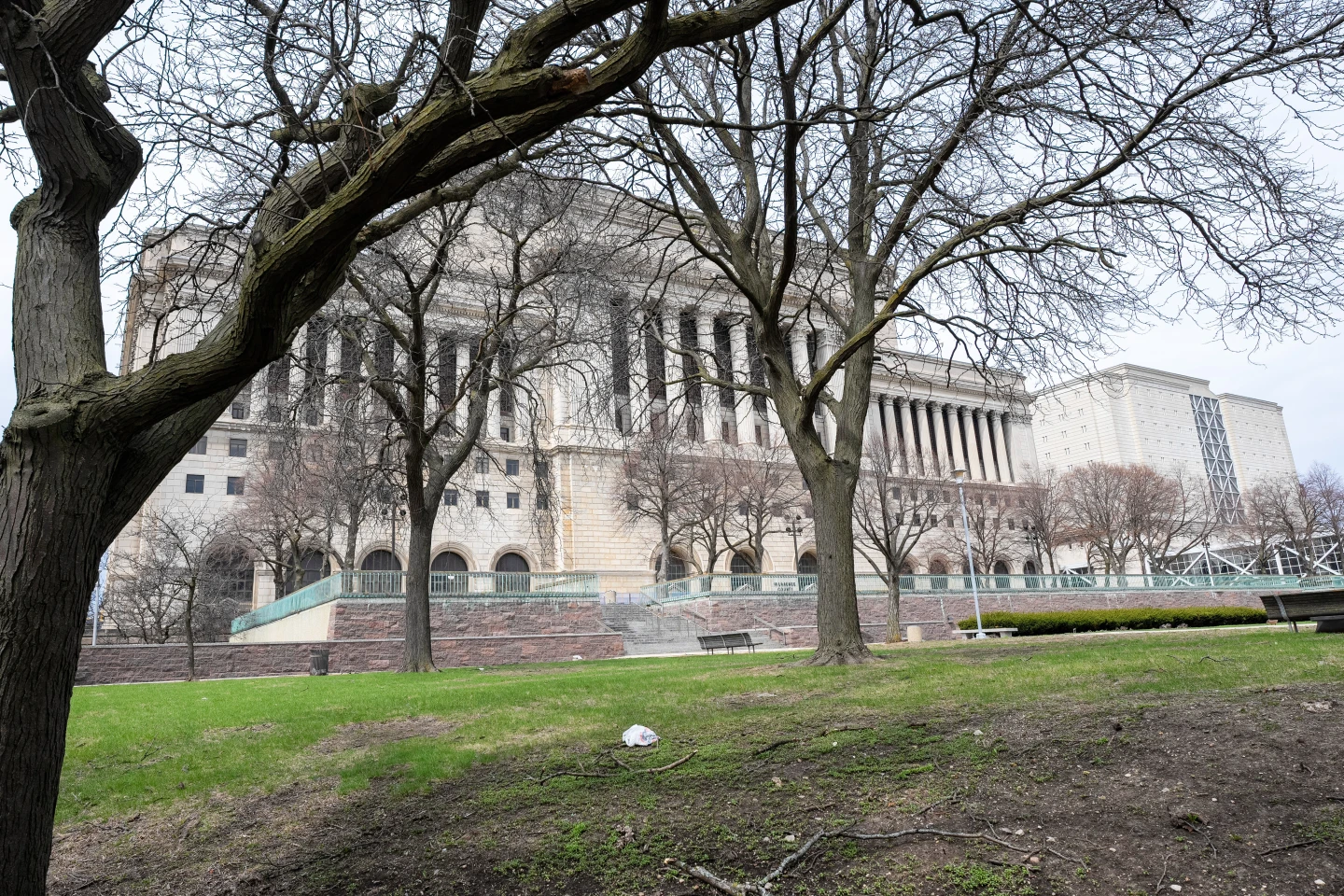
The situation escalated when Flores-Ruiz was scheduled for a court hearing in April. U.S. immigration agents were set to apprehend him at that time; however, Dugan allegedly learned of their intentions and led him through a private door to avoid the agents, resulting in a chase through the streets before he was captured.
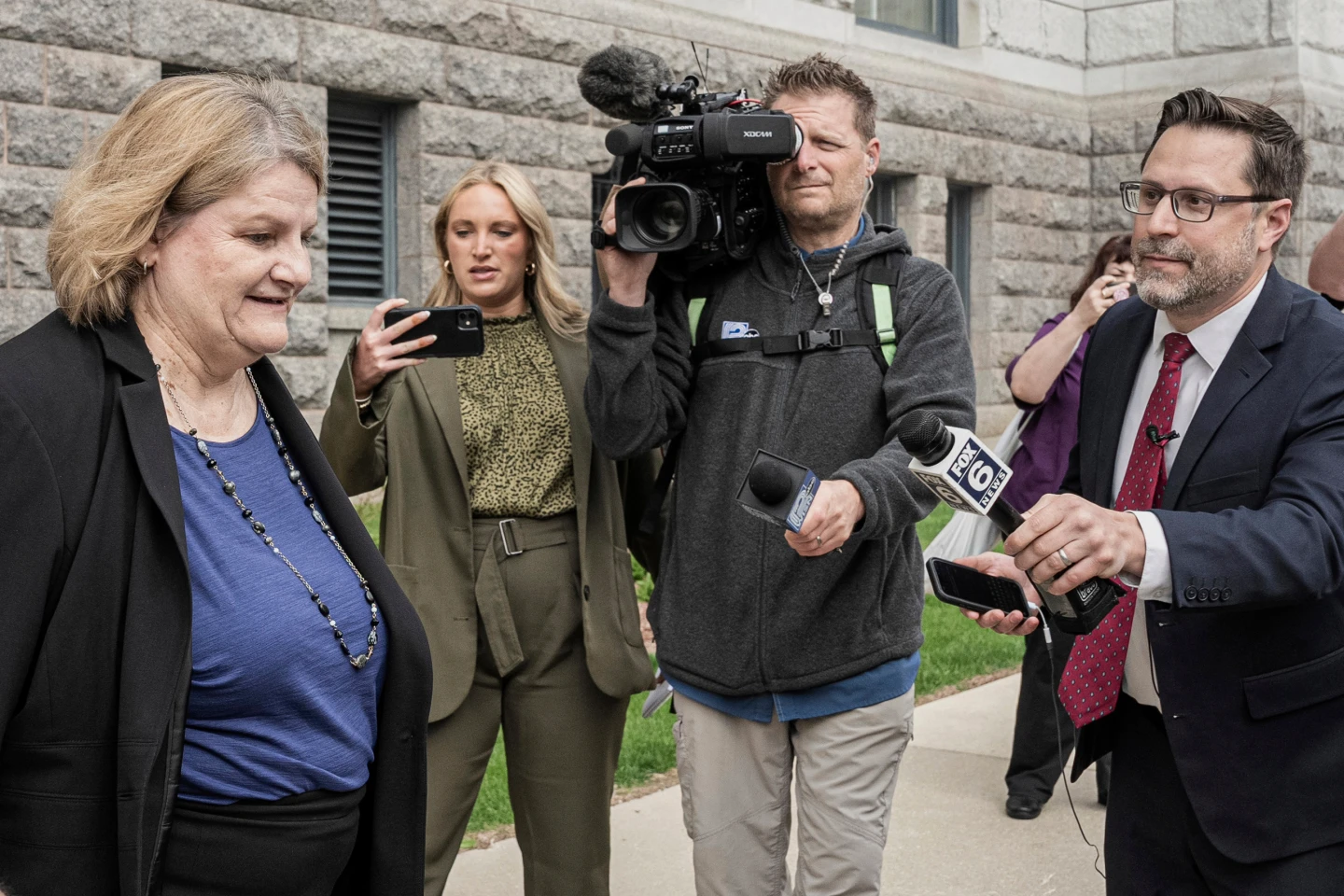
In light of these events, Judge Dugan faces charges of obstruction. Her trial is set to begin on December 15, where she could face up to six years if convicted. The Department of Homeland Security criticized her actions, stating that they set a harmful precedent regarding the judicial system and immigration enforcement.
"Judge Hannah Dugan's actions take 'activist judge' to a new meaning," noted a DHS official, citing the need for law enforcement cooperation in cases involving individuals with criminal records like Flores-Ruiz.
Dugan has denied any misconduct, asserting her right to manage her courtroom as she sees fit. Her attorneys referenced a statement from the Milwaukee County Chief Judge emphasizing the need for courts to remain “safe havens” from immigration enforcement.
Dugan’s case and the deportation of Flores-Ruiz intersect at the heart of ongoing discussions regarding immigration policy, judicial responsibility, and community safety, leaving many questioning how such cases should be handled moving forward.