In brief
Pakistan has introduced the Foreign Media Facilitation Guidelines, 2026, requiring all foreign journalists to obtain No Objection Certificates (NOCs) for coverage outside Islamabad, Karachi and Lahore. While the government says the rules are meant to coordinate reporting, critics argue they stifle independent journalism and limit access to hard‑to‑reach areas. In the highly contested Kashmir region, where climate‑related hazards are rising amid geopolitical tensions, the restrictions could leave major environmental events unreported. Journalists and environmental NGOs fear that limited coverage will hinder monitoring of ecosystem damage, air pollution and water crises that result from military activity and displaced populations. The move has sparked calls from international press and legal experts for a transparent, legally‑backed framework that protects freedom of the press, especially for climate reporting.
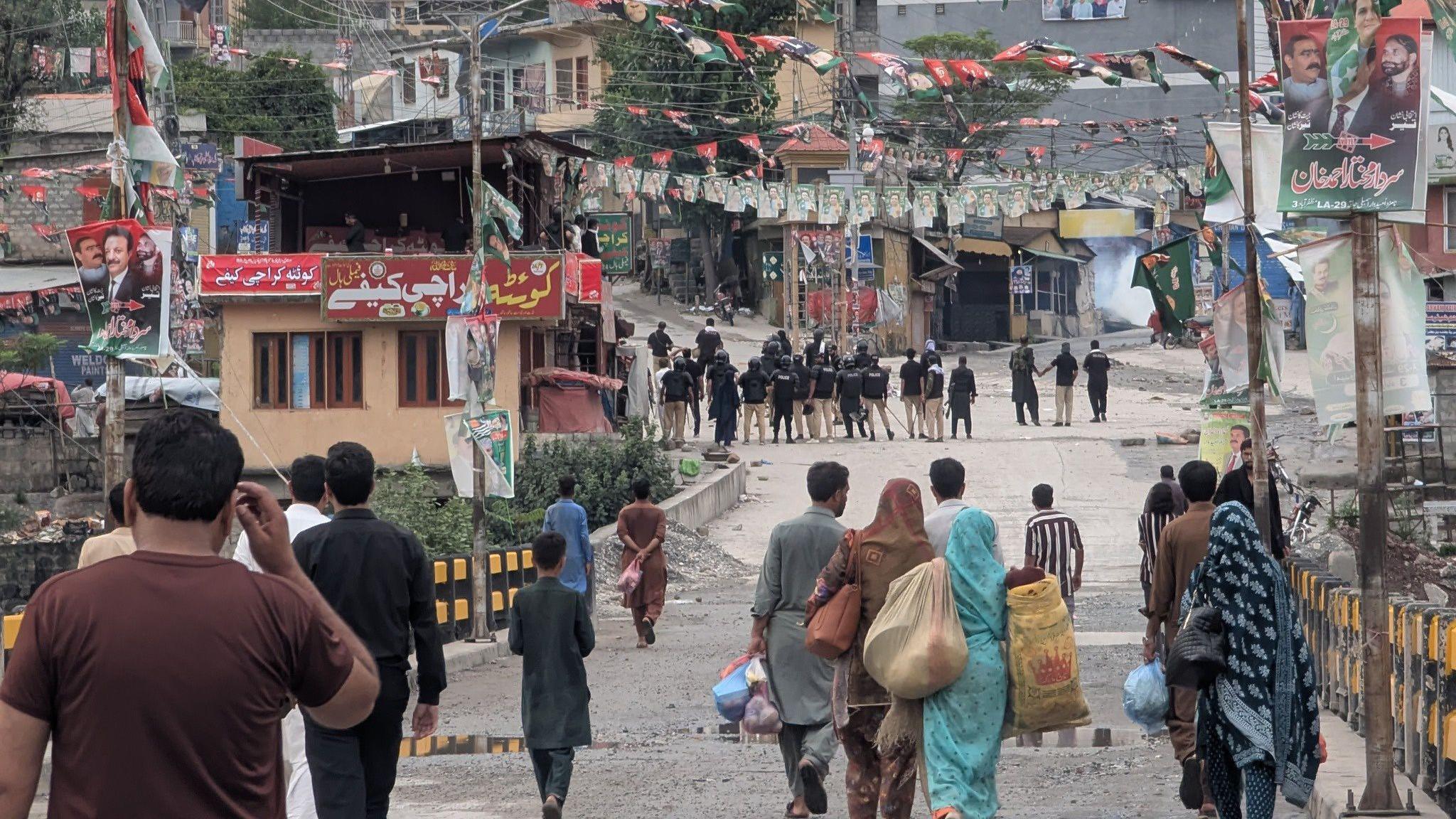
Pakistan’s government has issued the Foreign Media Facilitation Guidelines, 2026, that now require every foreign journalist – including Pakistani nationals working abroad – to secure a “No Objection Certificate” (NOC) before covering events outside the three main cities of Islamabad, Karachi and Lahore. The new rules are aimed at “providing an administrative mechanism” to verify media identities and coordinate reporting. In practice, however, the guidelines may narrow the flow of independent information, particularly from conflict‑ridden areas such as Pakistan‑administered Kashmir, where environmental and humanitarian crises are escalating.
The Kashmir region is experiencing rapid ecological change: glacial retreat, increased flooding, and severe air pollution are already being witnessed by scientists and local residents. Yet reporting on these climate‑related developments is now hampered by the authorities’ insistence that journalists obtain travel permits that could be delayed or denied. Journalists and climate advocates warn that such delays will mean fewer on‑the‑ground observations, less data for research, and a higher risk of misinformation in a situation where public records and satellite images are often insufficient.
Far‑reaching restrictions are not new. Previous years have seen checks on local media, but this is the first time that the government has mandated access approval for foreign reporters in most of the country. The guidelines allow for “acts against ideology, sovereignty, security or public order” to result in revocation of accreditation – a clause that many see as vague and ready to be exploited to silence critical voices. Legal experts point out that the guidelines lack statutory backing, standing only as an executive order that can change without parliamentary oversight.
International journalists, climate scientists and environmental NGOs are calling for an urgent meeting with the information minister to clarify the permits process and ensure a clear legal framework that does not compromise the right to report. They argue that in a region where climate change is a tangible threat to livelihoods and ecosystems, the ability to publish timely and accurate journalism is not merely a matter of democratic freedom – it is a critical tool for climate adaptation and mitigation.
With major human‑rights and environmental watchdogs monitoring the situation, the future of climate journalism in Pakistan‐administered Kashmir remains uncertain. In a country already ranked near the bottom of the World Press Freedom Index, any continued tightening of media access could mean a significant loss of data and reporting on a region that is at the intersection of political conflict and climate vulnerability.