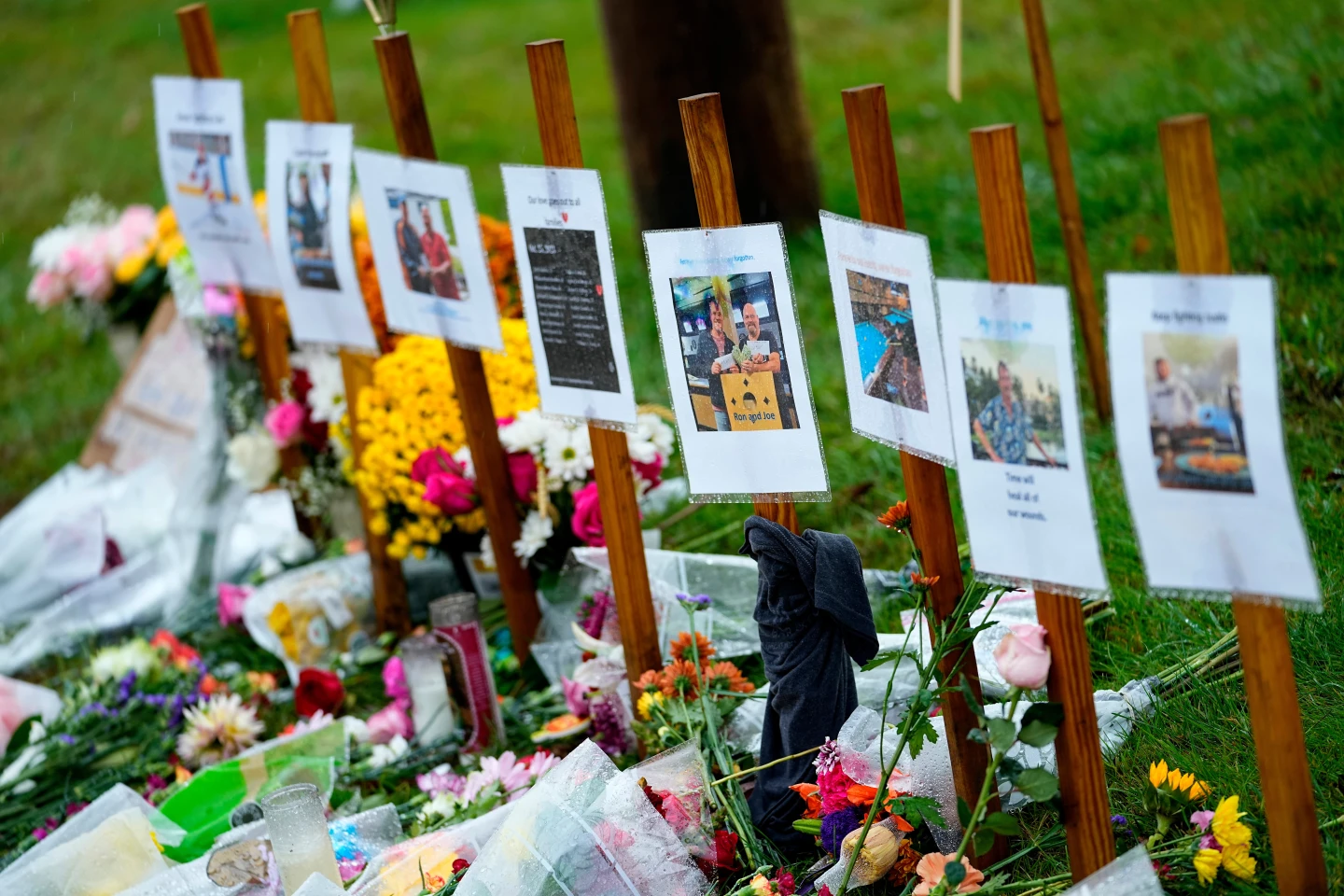
PORTLAND, Maine — In a significant moment for gun control in the state, Maine residents are voting on a critical proposal that aims to streamline the process for family members seeking to restrict a potentially dangerous individual's access to firearms. This measure comes in the wake of the deadliest mass shooting in Maine's history, during which 18 lives were lost.
The ballot question will decide whether Maine will adopt a red flag law similar to those in over 20 other states, allowing family members to petition courts directly, building upon the provisions of the existing yellow flag law which grants police the authority to act without family intervention in certain situations.
Advocates for stronger gun safety measures, motivated by the horror of the Lewiston shooting perpetrated by an Army reservist, began advocating for comprehensive reforms after an independent report highlighted numerous missed opportunities for intervention. This tragedy has deeply impacted the community, leading many to believe that a red flag law could be crucial in preventing future violence.
Law enforcement officials reported challenges implementing the inadequate yellow flag law, describing it as cumbersome to enforce. They noted that the law required the temporary custody of a potentially dangerous person for assessment, which many supporters argue lacks immediacy when a crisis arises.
The campaign for the red flag law includes poignant testimonies, like that of Arthur Barnard, father to one of the shooting victims, who stated, People who are having a mental health crisis need help, not easy access to guns. Barnard is advocating for a 'Yes on 2' vote, arguing that stronger measures could have saved his son.
Despite the support from gun control advocates, opposition exists among some lawmakers, gun rights groups, and hunting organizations, who argue that Maine's existing gun laws are adequate given the state's relatively low crime rates and high levels of gun ownership. Maine Governor Janet Mills has publicly opposed the ballot question, contending the yellow flag law has been well-tailored to the state's needs and warning that a new process could undermine public safety.
The ongoing legal repercussions of the Lewiston shooting continue to unfold, with families of victims filing lawsuits against the U.S. Army and the Department of Defense, questioning the Army's failure to prevent the perpetrator from acquiring weapons despite known behavioral issues.
This vote represents not only a potential shift in Maine's approach to gun safety but encapsulates a larger dialogue about mental health, gun access, and public safety in America.