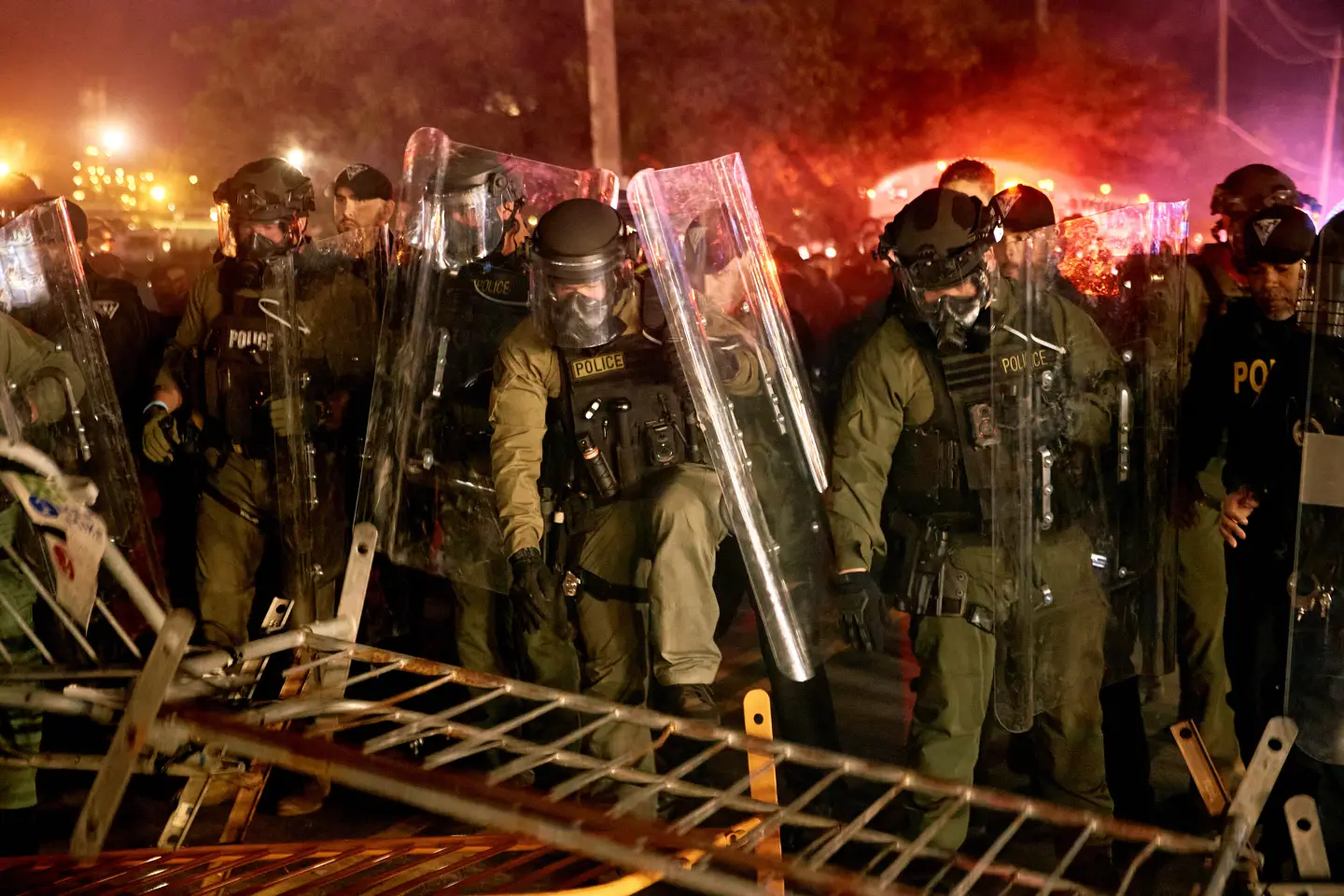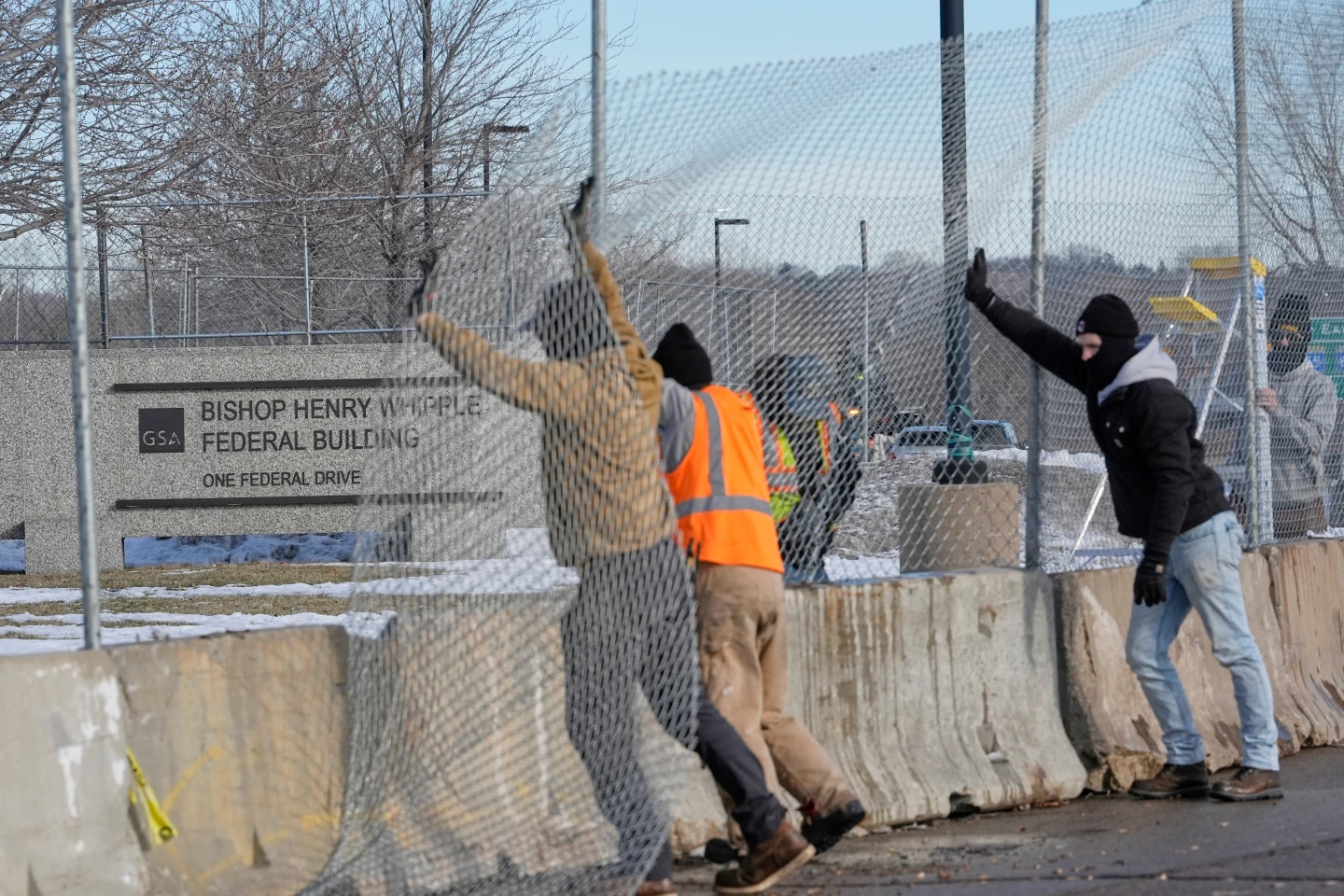
On Saturday, U.S. Representatives Ilhan Omar, Kelly Morrison, and Angie Craig were blocked from entering an ICE facility in Minneapolis after a federal officer fatally shot Renee Good, a U.S. citizen. This incident spurred further scrutiny over ICE's operational transparency and treatment of individuals in detention.
Last month, a ruling by U.S. District Judge Jia Cobb temporarily paused ICE's requirement for a week's notice for congressional visits, deeming it likely illegal. However, in a surprising turn, Department of Homeland Security Secretary Kristi Noem recently reinstated this policy just a day after Good's death, citing administrative discretion.
Lawyers representing the democratic representatives have filed a request for an urgent hearing, stressing that real-time oversight is crucial for ongoing funding negotiations. They argue that the changing conditions within ICE facilities make timely visits essential for adequate oversight.
Reps. Omar, Morrison, and Craig were initially allowed entry before being turned away ten minutes later under the newly implemented policy. This has sparked further concerns about transparency and accountability in immigration enforcement practices.
Judge Cobb's previous ruling in favor of twelve other members of Congress indicated a trend in increasing oversight concerning ICE's detention practices, particularly during an era marked by heightened immigration enforcement. The attorneys argue that preventing access undermines Congress's constitutional role in overseeing government operations.
With appropriations due by January 30, the urgency of this situation intensifies as discussions about DHS funding progress. The outcome of this legal battle could significantly affect Congressional oversight capabilities at ICE facilities going forward.