ALBANY, N.Y. — Recent federal judicial decisions have challenged President Donald Trump's efforts to appoint political allies as U.S. attorneys, highlighting a legal landscape fraught with complications. Judges have ruled that multiple handpicked federal prosecutors in New Jersey, eastern Virginia, and Los Angeles were acting unlawfully.
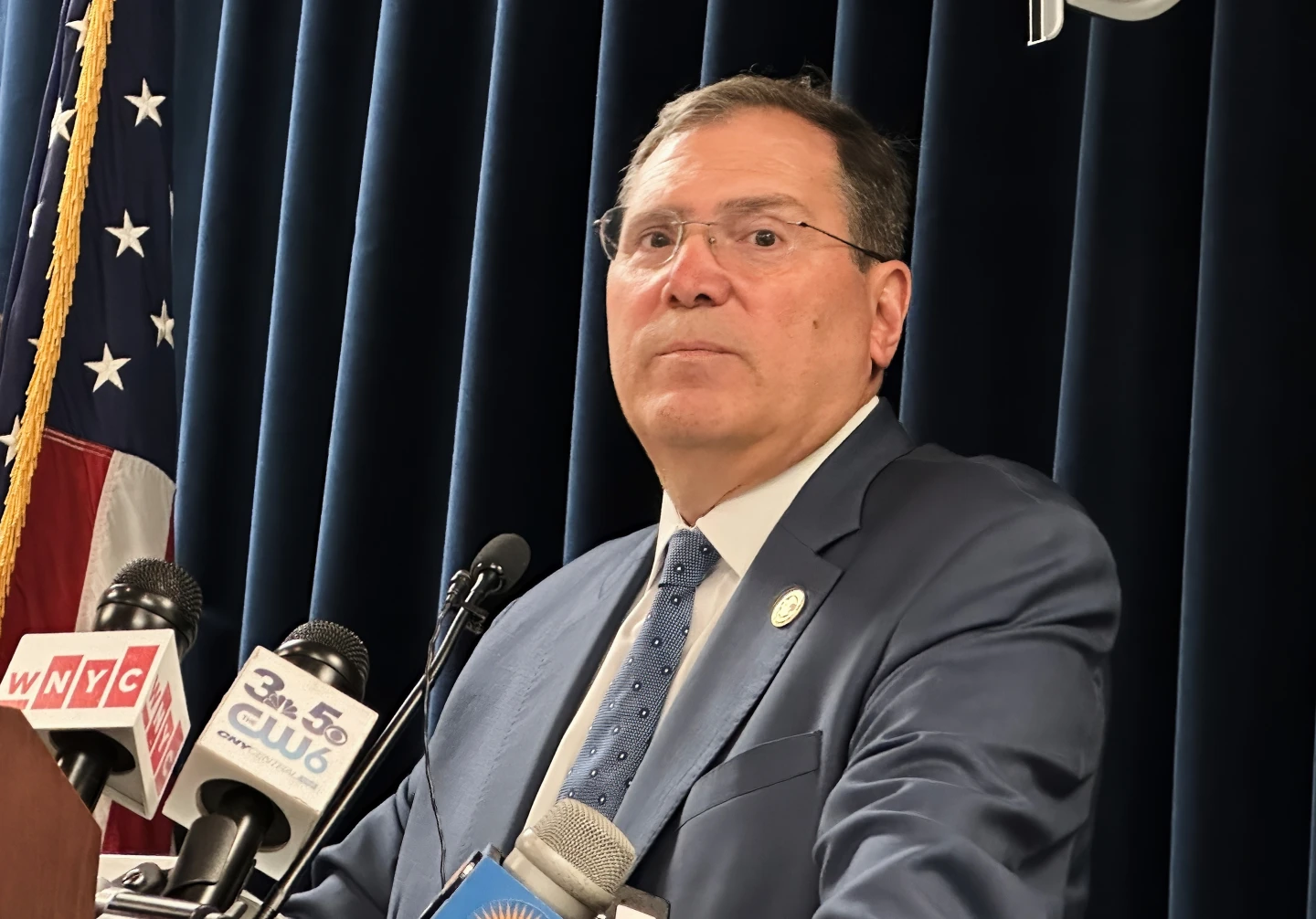
In the latest development, on Thursday, New York Attorney General Letitia James presented a case in federal court questioning the legitimacy of John Sarcone's appointment as the acting U.S. attorney for northern New York. James asserts that Sarcone's improper appointment influenced an ongoing Justice Department investigation related to lawsuits she filed against Trump and the National Rifle Association.
Her attorney, Hailyn Chen, claimed that Sarcone's actions, including issuing subpoenas, were without a lawful basis. Judge Lorna G. Schofield, who presided over the hearing, did not provide an immediate ruling after a rigorous session of questioning directed at both legal teams.
Justice Department attorneys countered that Sarcone was properly appointed and rejected claims that his disqualification would be justified. Assistant U.S. Attorney Richard Belliss described the disqualification as a drastic measure that would disrupt the ongoing legal processes.
This courtroom clash follows a recent federal judge's decision in Virginia, who dismissed indictments against James and former FBI Director James Comey due to a finding of illegal appointment of the interim U.S. attorney involved. The Justice Department is currently appealing that ruling.
The issue at the heart of these cases is the administration's legality regarding the appointment of federal prosecutors, which typically requires Senate confirmation. Trump's strategy of appointing loyalists as acting U.S. attorneys to bypass this requirement has generated significant legal challenges.
In Sarcone's case, his appointment as acting U.S. attorney did not adhere to traditional processes—something Chen referred to as a misuse of executive power. This controversy not only impacts prosecutions in New York but also raises alarms in Nevada and Los Angeles, where similar legal disqualifications are emerging.
The complexities of these appointments may influence ongoing investigations into Trump’s financial dealings and provide a broader lens on the interaction between politics and judicial appointments in the U.S.