In Anchorage, Alaska, Tupe Smith, an American Samoan, is appealing felony voter misconduct charges relating to her registration as a voter, which has sparked considerable debate over the citizenship rights of individuals from U.S. territories. Smith's case highlights the unique citizenship challenges faced by American Samoans, who do not automatically receive U.S. citizenship at birth and are classified as U.S. nationals instead.
Smith was charged after mistakenly identifying herself as a U.S. citizen on voter registration forms, relying on guidance from local election officials. Her supporters argue that this was a genuine misunderstanding, while the prosecution contends that she knowingly misrepresented her citizenship.
The complexity of citizenship status in American Samoa remains a focal point in this legal dispute. American Samoans can serve in the military and vote in local elections, but they cannot hold federal office or participate in most U.S. elections.
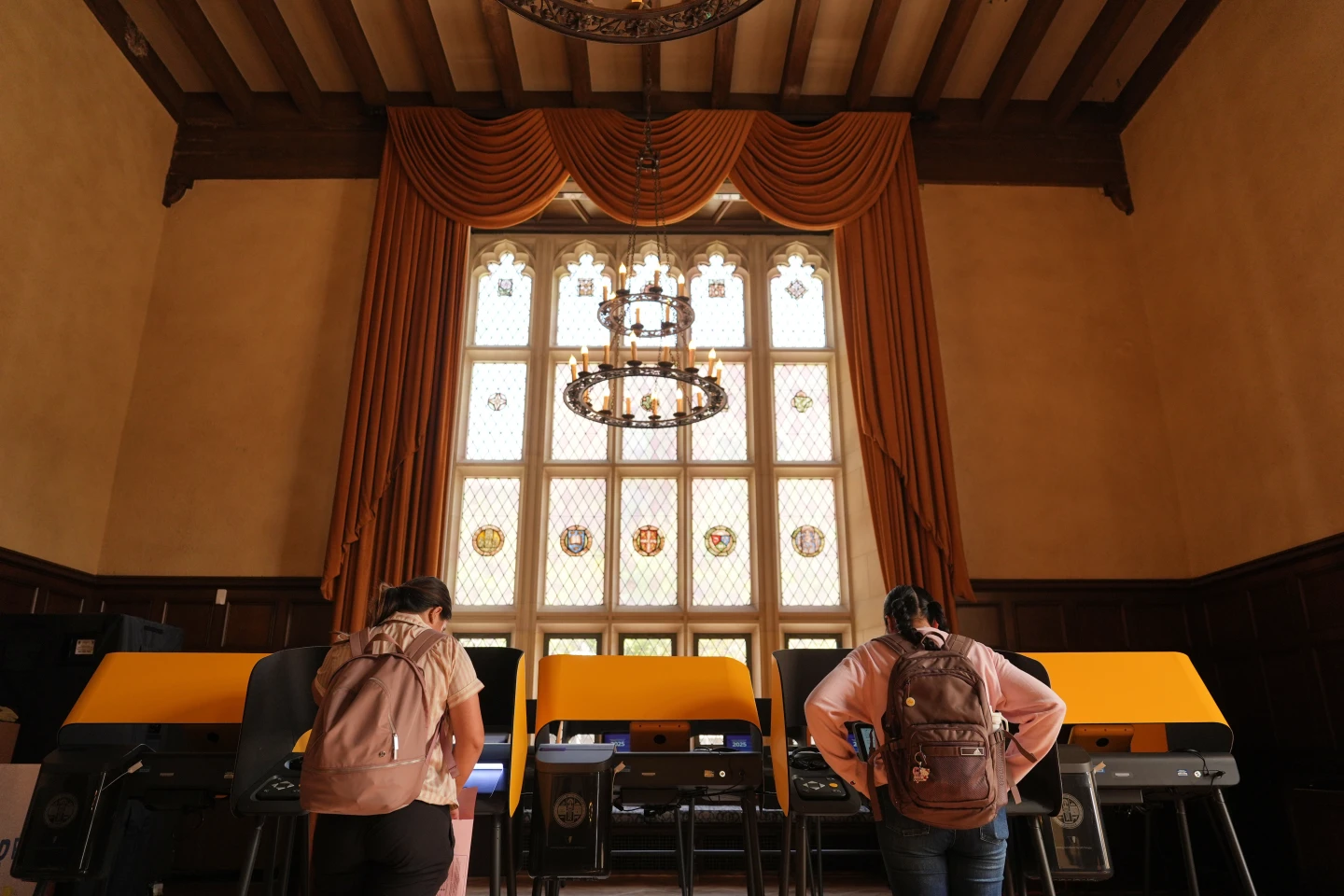
Smith's situation, along with that of other American Samoans facing similar charges, raises vital questions about voting rights, legal processes, and the definition of citizenship. Legal experts argue that the ramifications of this case could set precedents for how states address citizenship claims from individuals born in U.S. territories.
As the case unfolds, advocates for voting rights for non-citizen nationals are calling for clearer guidelines to prevent such misunderstandings in the future.
Smith was charged after mistakenly identifying herself as a U.S. citizen on voter registration forms, relying on guidance from local election officials. Her supporters argue that this was a genuine misunderstanding, while the prosecution contends that she knowingly misrepresented her citizenship.
The complexity of citizenship status in American Samoa remains a focal point in this legal dispute. American Samoans can serve in the military and vote in local elections, but they cannot hold federal office or participate in most U.S. elections.
Smith's situation, along with that of other American Samoans facing similar charges, raises vital questions about voting rights, legal processes, and the definition of citizenship. Legal experts argue that the ramifications of this case could set precedents for how states address citizenship claims from individuals born in U.S. territories.
As the case unfolds, advocates for voting rights for non-citizen nationals are calling for clearer guidelines to prevent such misunderstandings in the future.