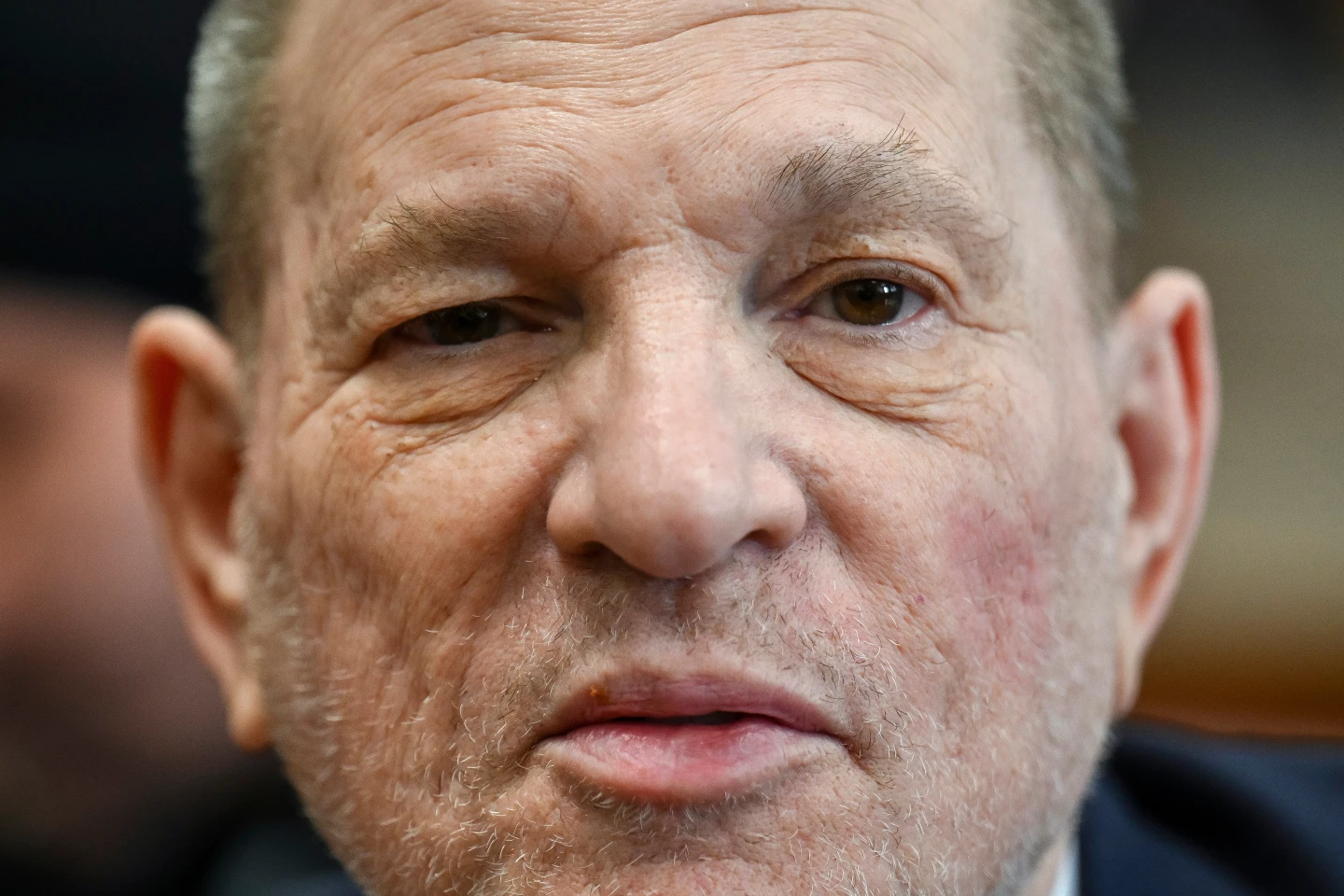
NEW YORK (Echosphere) — Harvey Weinstein returns to court, aiming to overturn his recent sex crime conviction. The motion follows claims of rising tensions and misconduct among jurors during deliberations last spring.
This tumultuous chapter in Weinstein's lengthy legal odyssey has witnessed the former Hollywood executive navigating through a labyrinth of trials across multiple states. His case has played a pivotal role in the #MeToo movement, spotlighting the ongoing conversation about accountability in cases of sexual violence and harassment.
Weinstein, who maintains his innocence, faces a split jury verdict from last June, wherein he was convicted of forcing oral sex on one woman while being acquitted of charges involving another, and the jury deadlocked on a third charge of rape. His legal team contends that rising tensions and threats amongst jurors influenced the deliberation process.
The reported tumult included allegations that jurors felt pressured and intimidated, with one juror claiming to fear for their safety. This unprecedented situation led to the defense demanding a mistrial. They argue that the jury's ability to deliver an unbiased verdict was compromised, and they are now pressing the court to either set aside the conviction or conduct a hearing regarding these juror conflicts.
Prosecutors have argued that such tensions, while noted, do not constitute grounds for overturning the verdict, pointing to the complexities inherent in high-pressure jury discussions.
The court's ruling will significantly impact Weinstein's legal future as prosecutors are prepared to retrial him on the unresolved rape charge. As these proceedings unfold, they reinforce the intricate nexus between public discourse around sexual misconduct and the judicial process, demonstrating ongoing societal challenges in addressing such issues fairly.