More than 40 people are now known to have died after multiple landslides struck Kenya and Uganda's mountainous border region last week.
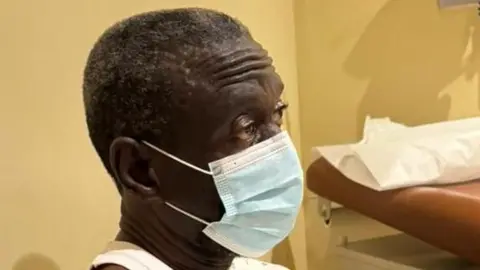
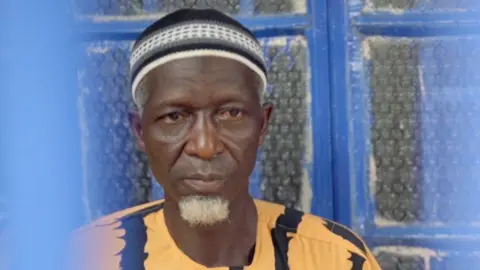
I lost a grandmother, a maternal aunt, an uncle, two sisters, a family friend and a cousin. They were staying together in Kaptul village, Felix Kemboi told the BBC on the Ugandan side.
On both sides of the border, many people are still missing and search and rescue teams have been sent out to find them, amid warnings that more landslides could occur.
As heavy rainfall continues to be experienced across several parts of the country, the risk of landslides, especially along the Kerio Valley region, is heightened, warns Kenyan Interior Minister Kipchumba Murkomen. He is urging residents of affected areas to be cautious of any earth movements.
Fourteen schoolchildren were among the dozens of Kenyans killed when two mudslides struck the Great Rift Valley area.
Survivors in eastern Uganda have shared terrifying accounts with the BBC, detailing the chaos that ensued as landslides devastated their homes.
Helda Narunga Masai recalls the harrowing moment they learned of the landslide: We were sleeping at night, we [heard] a huge sound. The neighbours came running. 'You wake up'. The mountain is coming. My niece and brother died. Her home in Kween village was destroyed in the mudslide, and she is now staying with a neighbor.
Rescue operations are challenging as the mudslides have cut off access to certain roads, and local authorities are using rudimentary tools to search for those still unaccounted for across the regions.
In response to the disaster, the Ugandan government announced financial support for bereaved families and survivors. Meanwhile, experts warn against constructing homes in landslide-prone areas, as similar disasters have occurred in the past, including a 2010 landslide in Bududa, Uganda, that killed approximately 300 people.