In brief
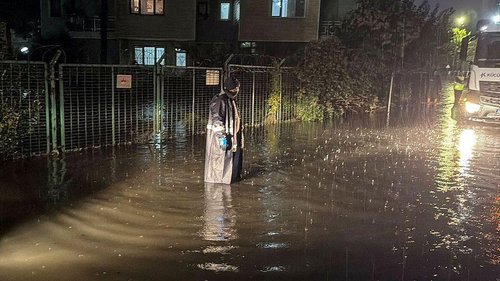
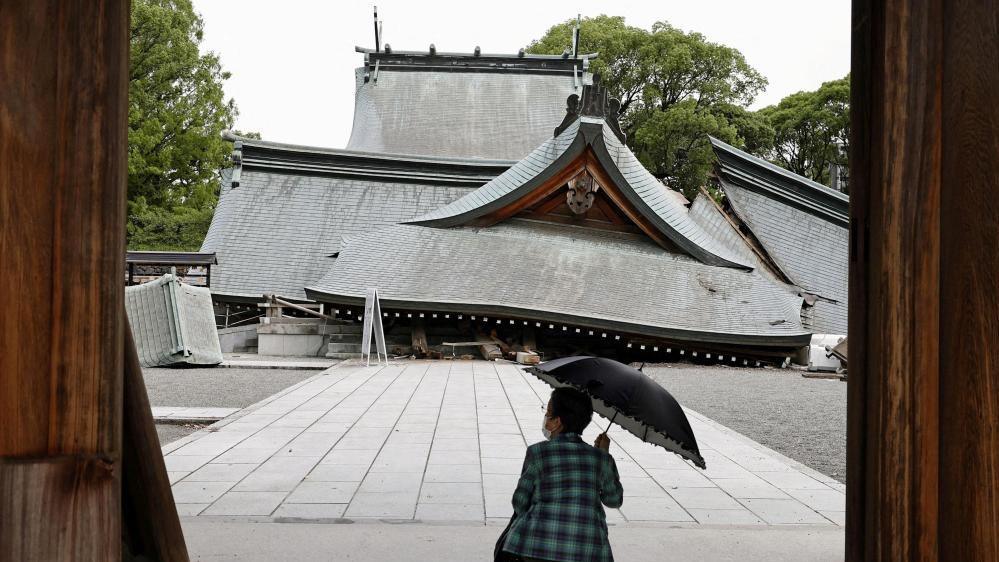
A deadly magnitude 6.8 earthquake struck southwestern Kyushu, leaving 13 dead and prompting a drama of rescue amid intense aftershocks. Over a hundred tremors followed, giving authorities a rush to guard residents against further blows. In Kumamoto, a post‑quake mall explosion killed three and left others missing, as rescue crews search collapsed buildings amid a 35°C heatwave. The epicentre lay just 10km deep, close to Kumamoto city, causing wide‑ranging damage—including power outages and transport suspensions. Japanese officials are deploying 300 portable air‑conditioners, while international agencies bring medical aid and engineer support to keep the community from falling further into panic.
Japan’s southwestern Kyushu region was rocked by a magnitude 6.8 earthquake on Tuesday, killing at least 13 people and leaving numerous victims in cardiopulmonary arrest.
The quake triggered over 100 aftershocks, prompting authorities to warn residents of potential high‑intensity tremors for the next week. Rescue teams are combing through rubble at a paper factory, a shopping mall, and a local factory, with workers trapped in collapsed buildings. President Sanae Takaichi described the operation as a “race against time” to find survivors.
In Kumamoto Prefecture, the Aeon Mall suffered a post‑quake explosion that turned the 2,700‑employee complex into a scene of debris and smoke. A spokesman confirmed three deaths and three missing staff amid ongoing careful clearing. The Japan Meteorological Agency urges vigilance for new tremors, while the Defence Ministry has dispatched 300 portable air‑conditioning units to help evacuees cope with a 35°C heatwave.
The epicentre, only 10 kilometres beneath the surface, was 20 km south of Kumamoto city. Train services were suspended and power cut for thousands of homes, highlighting the logistical strain on emergency relief.
Rescue efforts continue as Japanese authorities and international NGOs furnish medical aid, deploy engineers, and provide mental support to communities still grappling with shock and loss.