In brief
Nine people died and dozens were injured when Russian missiles hit residential blocks in Kyiv. City officials report fires, power outages and the partial destruction of apartment buildings. Ukraine’s escalating air attacks underline the need for advanced missile‑intercept systems, while the conflict threatens sustainable infrastructure and raises concerns about climate‑resilient urban design.
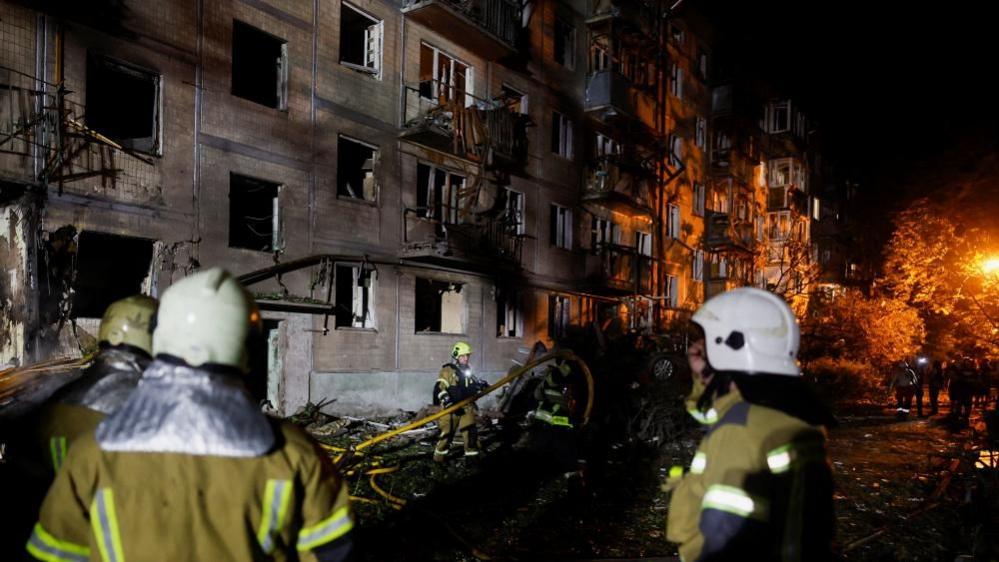
On 1 August 2026, Russian ballistic missiles struck multiple districts of Kyiv, killing nine people and injuring dozens. Ukrainian State Emergency Service reports that the blast tore through residential buildings, caused widespread fires, and left households displaced.
Mayor Vitali Klitschko said the city had suffered more than ten explosions, leading to power outages and the partial collapse of multi‑story apartment blocks. In the Darnytskyi district, at least seven residents died while another 14—two children among them—suffered injuries.
These attacks occur against a backdrop of escalating air threats, prompting President Volodymyr Zelensky to call for urgent deployment of Patriot interceptor missiles. The U.S. has begun discussing a licence‑to‑produce programme with Ukraine for such interceptors, a move hailed as potentially pivotal for the country’s defence network.
A wider climate lens shows how war destabilises energy supplies and hampers progress toward sustainable infrastructure. The destruction of power grids and heating systems forces displaced communities into temporary shelters, often relying on diesel generators that emit significant carbon footprints. In the post‑conflict era, rebuilding can avoid this reliance by prioritising solar installations, micro‑grids, and other renewable systems that are less vulnerable to future hostile actions.
Urban planners in the region are now assessing how to make cities resilient to the dual shocks of conflict and climate change. Strategies include fortifying critical utilities, enhancing emergency response pathways, and integrating green roofs that reduce heat stress and provide natural protection against blast debris.
Sources: Reuters, Ukrainian State Emergency Service, Kyiv Mayor’s office