In brief
In a symbolic move, the Australian Senate has voted to censure Aboriginal senator Lidia Thorpe for heckling King Charles during his Canberra visit, sparking a debate on colonialism and Indigenous sovereignty in Australia.
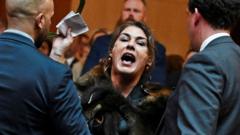
In an unprecedented action reflecting the deep divisions within Australian society, the Senate voted to censure independent senator Lidia Thorpe for her vociferous protest during King Charles's visit to Canberra last month. Thorpe's emphatic declarations—"You are not my King" and "This is not your land"—came shortly after the King's address in the Great Hall of Parliament, signaling a stark message about the lingering impact of British colonization on Aboriginal communities.The formal censure, which passed 46-12, criticized Thorpe for her behavior, labeling it "disrespectful and disruptive." The motion, while politically significant, carries no legal consequences but underscores the tensions surrounding the relationship between the Crown and Australia's Indigenous peoples. Thorpe expressed her frustration with the censure, stating, “The British Crown committed heinous crimes against the first peoples of this country... I will not be silent,” after claiming her flight delay hindered her opportunity to respond in the chamber.Reactions to Thorpe's protest were polarized, drawing condemnation from various political factions and some Aboriginal leaders while earning support from certain activists who viewed her act as a necessary spotlight on historical injustices. Advocacy for a treaty between Australia’s government and its first inhabitants remains a crucial issue, with Thorpe at the forefront; she emphasizes that Australia’s Indigenous peoples have never ceded their sovereignty.In contrast to the mixed reception of Thorpe's actions, King Charles was heralded warmly by Australian crowds throughout his five-day tour with Queen Camilla. Prime Minister Anthony Albanese acknowledged the complexities of Australia's evolving relationship with the Crown, highlighting the respect shown towards the King despite ongoing discussions regarding constitutional arrangements.Thorpe's history of Indigenous activism has been marked by high-profile incidents, including her controversial swearing-in ceremony in 2022 where she labeled Queen Elizabeth II a colonizer. Last year, a significant referendum attempting to recognize Aboriginal and Torres Strait Islander peoples in the Constitution faced failure, leaving unresolved questions about future policy directions. Although data indicated a majority of Indigenous voters supported recognition, Thorpe campaigned against it, arguing the proposal was merely a token gesture.While King Charles's visit aimed to reinforce ties with Australia, Thorpe's protest starkly illustrated the unresolved issues of colonial legacy and Indigenous rights—a critical discourse that continues to resonate within the Australian political landscape.