In brief
The Indian government is intensifying its crackdown on dissent, targeting academics and journalists who criticize the recent military conflict with Pakistan. This includes the arrest of a political science professor for his views on the military action and its implications.
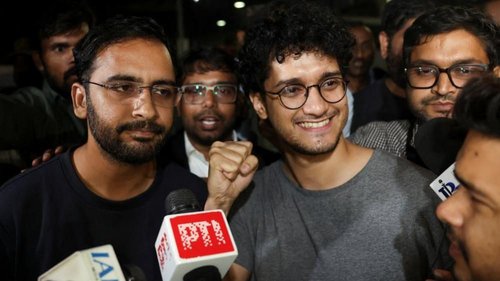
In a swift response to the growing unrest following the recent military engagement between India and Pakistan, the Indian government has escalated its efforts to silence dissenting voices. Notably, political science professor Ali Khan Mahmudabad was arrested at his home in Delhi on charges ranging from endangering national sovereignty to advocating against a war mentality. Mahmudabad had initially expressed patriotic sentiment during the military confrontations but later cautioned against what he termed a "blind bloodlust for war," calling for a more humane approach to the situation.The political landscape has been notably tense since the military actions were triggered by a tragic incident on April 22, where a massacre of 26 individuals, primarily Hindu tourists, shook the nation. As calls for retribution against Pakistan grew louder, Mahmudabad took to social media to highlight the ongoing persecution faced by the Muslim minority in India and the need for restraint in advocating for war, even after a cease-fire was announced. The Aadhaar and Citizenship Amendment Act have already sparked significant controversy and backlash against the Modi government, which has been criticized for its authoritarian tendencies over the past decade. The arrests of dissenters such as Mahmudabad signal a troubling trend where expressing critical viewpoints against government policies or military actions can lead to severe penalties, including public scrutiny, criminal charges, and even imprisonment. As the world watches, the Indian government’s initiatives to contain dissent raise concerns about freedom of speech and the broader implications for civil liberties within the country, particularly amidst rising nationalism and conflict. The situation remains dynamic, with many activists and legal experts arguing that such actions may be counterproductive, potentially inciting more significant dissent and pushing for a reevaluation of civic rights in times of crisis.