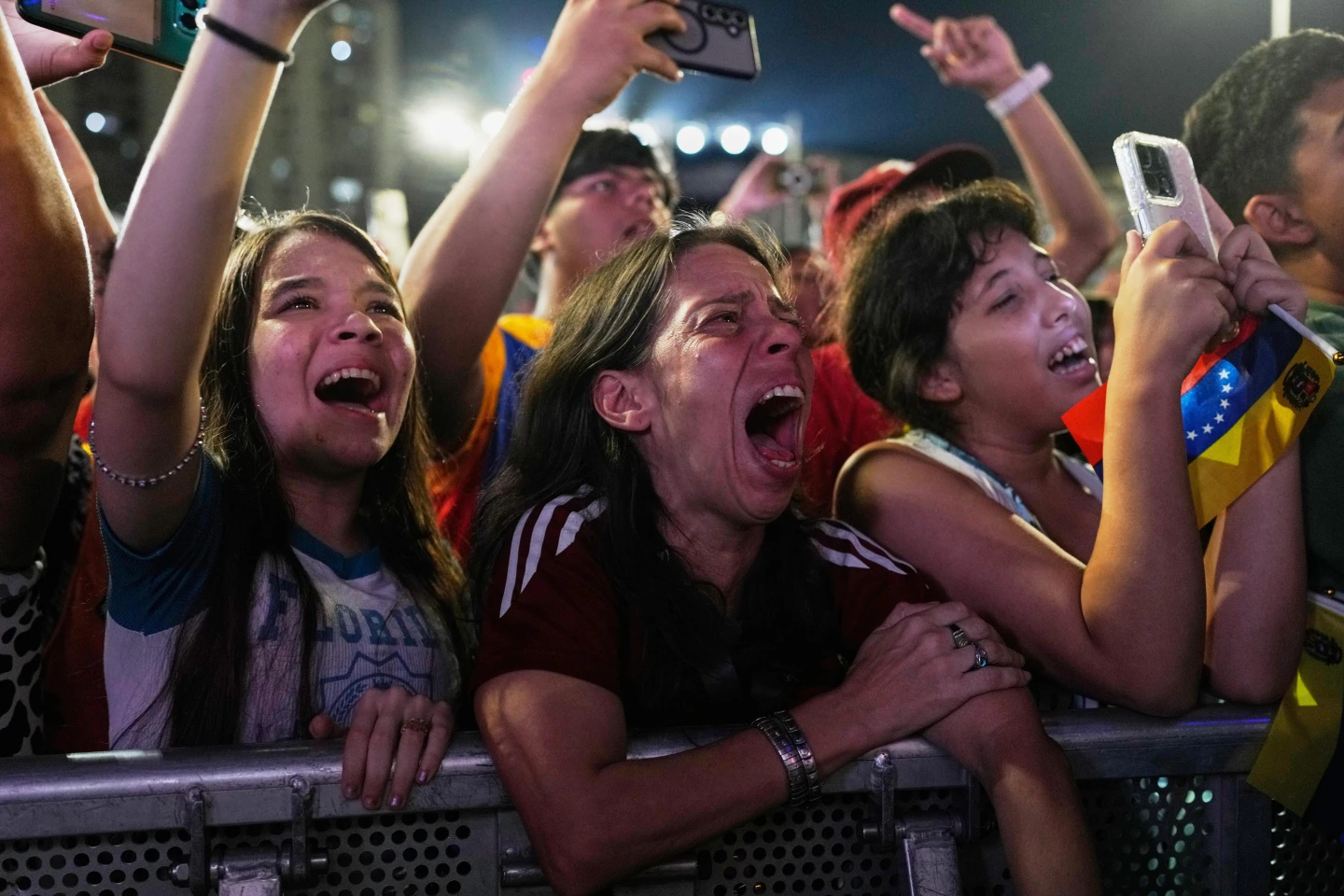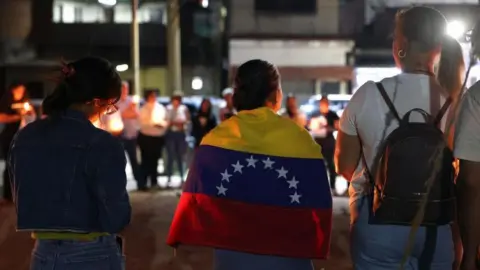
After Venezuela, there is no nation in the Americas more affected by the events in Caracas than Cuba.
The two nations have shared a political vision of state-led socialism since a fresh-faced Venezuelan presidential candidate, Hugo Chávez, met the aged leader of the Cuban Revolution, Fidel Castro, on the tarmac at Havana airport in 1999.
For years, their mutual ties only deepened, as Venezuelan crude oil flowed to the communist-run island in exchange for Cuban doctors and medics travelling in the other direction.
Now, with Nicolás Maduro removed from power in Caracas, forced out by a U.S. military operation, Cuba's future appears bleak. The Cuban government has condemned the attack and declared national mourning for the 32 Cuban nationals who died in the operation.
The deaths underscored Cuba's longstanding influence in Venezuela, with Maduro reliant on Cuban bodyguards for security, revealing deep-rooted ties between the two nations that extended beyond mere political rhetoric.
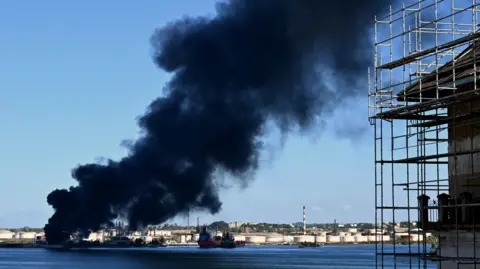
The Trump administration's actions have further complicated Cuba's situation, worsening their fuel crisis and likely resulting in more significant hardships for the citizens on the island. Reports indicate rolling blackouts, a struggling healthcare system, and widespread food shortages continue to plague daily life in Cuba.
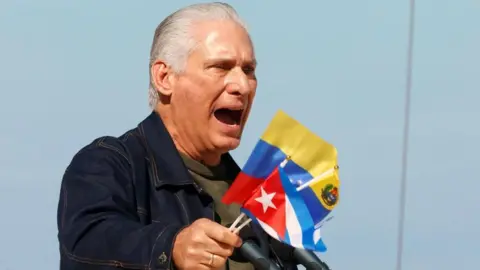
Amid this turmoil, the Cuban government stands defiant, calling for support and solidarity as President Miguel Díaz-Canel speaks out against foreign intervention and asserts Cuba's commitment to its revolutionary ideals. The future remains uncertain as the island grapples with the implications of a new political landscape without the support of its Venezuelan ally.