In brief
The BBC, working with Ukrainian investigators, has unveiled the grim reality of Izolyatsia, a detention centre in occupied Ukraine used for systematic torture, including beatings, electric shocks, and sexual assault. Liudmyla Huseinova, a 64‑year‑old safety engineer, recounts being abducted, confined for over three years, and abused by local paramilitary officers such as Yurii Temerbek and Ruslan Yeriomichev. Police threats and the lack of international access have allowed these guards to live ordinary lives in Russia, while survivors now fight for accountability. The report exposes a wider network of over 200 clandestine prisons across occupied Ukraine and Russia, with up to 2,000 civilians detained since the 2022 invasion. Ukrainian prosecutors have opened cases against dozens of perpetrators, yet few have been tried, highlighting a chilling impunity that threatens human rights and undermines post‑war justice.
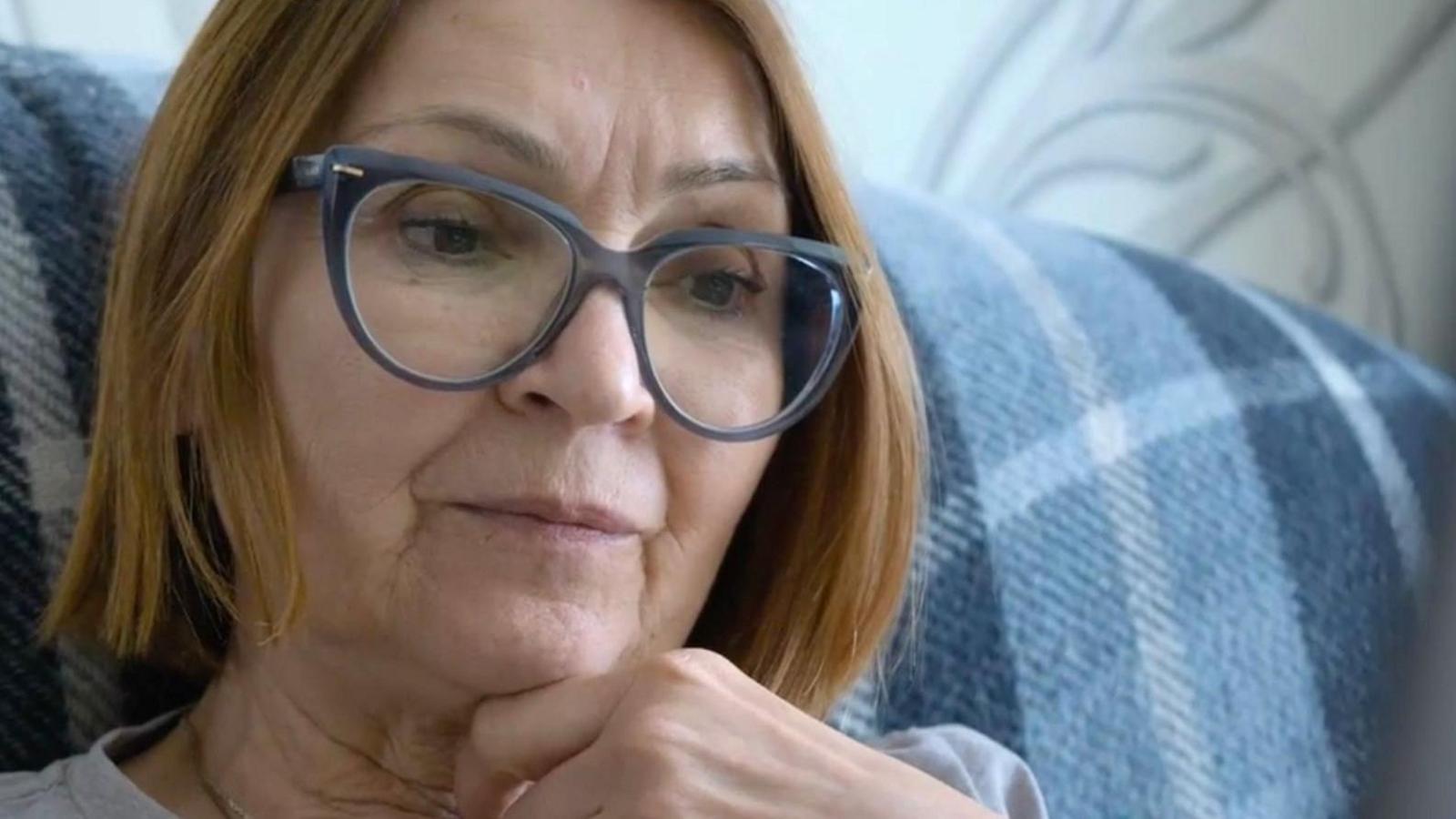
In October 2019, Liudmyla Huseinova, a 64‑year‑old safety engineer, was forcefully taken from her home by men that included a former Ukrainian traffic police officer who has since joined Russian‑backed separatists. She was thrown into a car, put in a cramped back seat, and plunged into the nightmarish world of the Izolyatsia detention centre, a former art gallery turned brutal prison under Russian occupation.
For three years and thirteen days, Liudmyla endured systemic torture – strong beatings, electric shocks, mock executions, and continuous harsh lighting. She was also sexually assaulted by a guard named “Koval” under the watchful eye of Yurii Temerbek, who appears in photographs such as the 2013 traffic‑police uniform photo discovered by BBC investigators.
Investigations by the BBC and Ukrainian open‑source teams uncovered that Temerbek and another guard, Ruslan Yeriomichev (known on Russian social media as “Yermak”), continue to live ordinary lives in Russia and occupied Ukraine, now with wives, children, and grandchildren, while their families remain unaware of the atrocities they committed.
At the heart of the abuse, former commander Anatoly Spivak ran an illegal facility in Kherson where detainees were subjected to electric torture on the genitals. He operates as a _taxi driver_ in Omsk, actively leading a dual life of public service and sin.
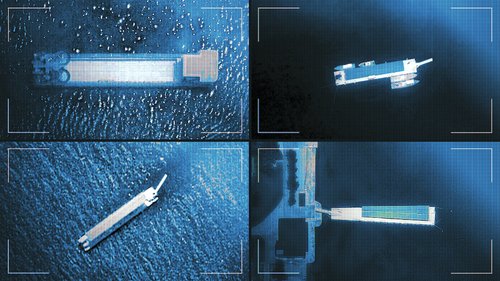
The BBC's expose maps 93 sites in occupied Ukraine and 102 in Russia where civilians and POWs are detained, revealing a large-scale network that remains inaccessible to international oversight. Ukrainian prosecutors have opened cases against dozens, but only one guard has been imprisoned, and the majority of charges are heard in absentia.
Liudmyla now lives in Kyiv with her husband and runs an organisation that supports other detained women. She stresses that justice is not revenge, but lawful accountability, urging the world to remember the names of those who perpetrated the violence so that future generations bear witness.