In brief
Infantino’s Instagram post, laced with anger at critics, sparks debate over the 2026 World Cup’s environmental and logistical issues. The tournament implemented record ticket sales and advanced security, yet controversies over visa policies, political interference, and sustainability weigh heavily. FIFA’s response reflects a belief in its organisational success, but raises questions about transparency and climate responsibility. The event’s environmental legacy, from carbon‑footprint reduction to stadium energy use, remains central to future sporting governance.
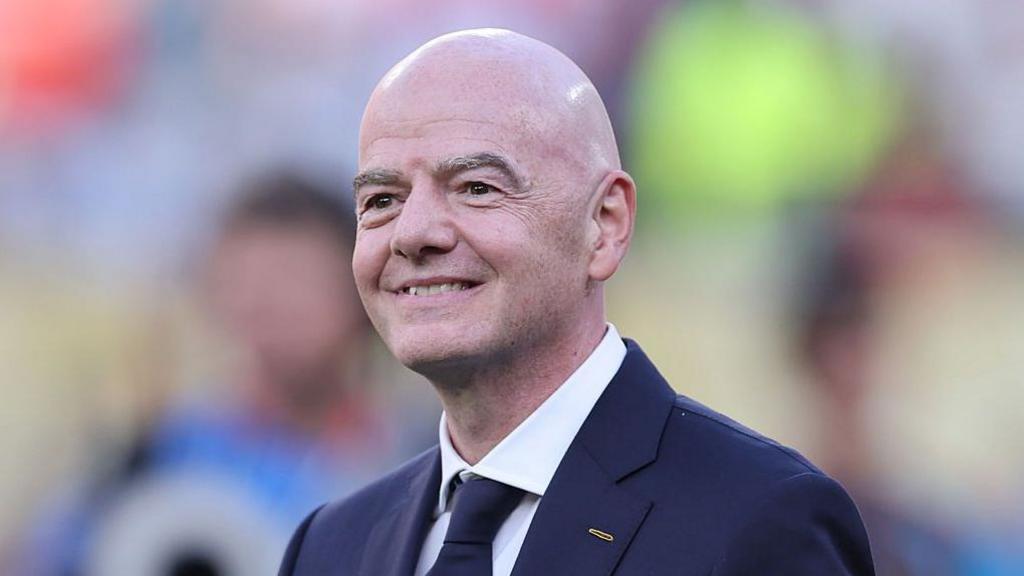
FIFA President Gianni Infantino launched a blistering tone on his personal Instagram feed, telling critics to “meditate, pray, or watch a football match” instead of “spreading hate and false rumours.” His message was a rallying call for unity amid a World Cup that, while perceived by many as the most secure and high‑profile sporting event to date, faced several environmental and logistical criticisms.
The 2026 tournament – the longest ever, spanning 12 U.S. cities – set record ticket sales and introduced advanced security protocols. However, the event was marred by visa delays, especially for Iran and other nations, and by high‑profile controversies involving political interference, such as the partial lifting of a player’s suspension after a presidential appeal. These incidents highlighted the need for FIFA to be more transparent and to address the environmental questions that come with hosting a multi‑city event.
Infantino’s post references the tournament’s “100 % safety and security” while praising fans’ celebratory energy. Yet a broader conversation about the race’s carbon footprint, the use of renewable energy at stadiums, and green initiatives – such as the introduction of hydration breaks and a 27‑minute halftime show – remains largely unchecked in public discourse.
Despite the backlash, FIFA claims to have “united two countries at war” by bringing Iran into the tournament. However, Iranian coaching staff have labelled the event as “most oppressed,” a claim that underscores the juxtaposition between political and environmental narratives. The arrival of national teams in a climate‑conscious world requires that sports governance address both social justice and ecological stewardship.
The World Cup’s environmental legacy will shape future sporting governance. Rising concerns over venue carbon emissions, waste management, and transportation logistics stand in stark contrast with FIFA’s promises of a clean, safe event. Infantino’s defiant tone may rally supporters, but it also stirs a debate about open dialogue, ethical oversight, and sustainable development in global sports.
In the end, the 2026 World Cup illustrates that sport, while unifying, must navigate complex intersections of political, environmental, and social concerns. Without a true commitment to transparency and sustainability, the “greatest event on earth” risks becoming a testament to missed opportunities for climate justice.