The geopolitical landscape surrounding Iran's Kharg Island is increasingly fraught with tension, particularly as US President Donald Trump suggests military intervention could be a viable option. Speculation about a US operation to seize control of the island, which is crucial for Iran's oil exports, has sparked concerns over the potential consequences not only for the region but also for global oil stability.
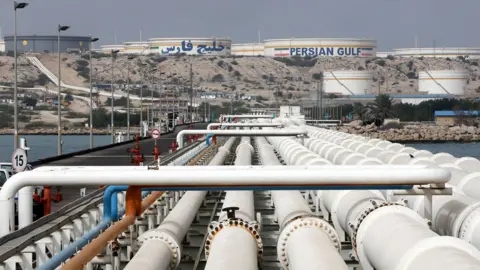
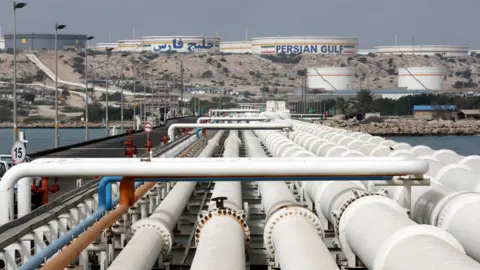
Kharg Island serves as Iran's primary oil export terminal, with about 90% of its oil revenues flowing through this strategic location. The island's waters allow large tankers, known as Very Large Crude Carriers (VLCCs), to load massive quantities of oil, making it an essential asset for Iran's economy.
The historical significance of Kharg Island cannot be overstated; during the Iran-Iraq War, it suffered heavy bombardment yet remained intact. Recent US military actions in the region have annihilated numerous military targets while sparing the island's oil infrastructure, which emphasizes its perceived importance.
The prospect of a US invasion appears designed to exert pressures on Iran by offensively disrupting its oil shipments. Nonetheless, given the robust nature of the Iranian defense forces stationed at the island—reportedly bolstered by surface-to-air missile systems—any assault could incur substantial risks and casualties.
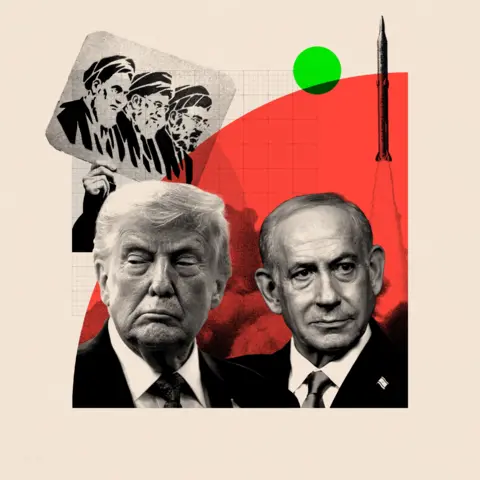
The Iranian parliament has unequivocally warned against US military action, asserting that its forces would retaliate with severe consequences. As tensions mount, the speculation surrounding troop movements includes nearly 5,000 US Marines poised in the region, suggesting that the administration may attempt decisive interventions to safeguard its interests.
In planning a potential operation, US forces could orchestrate airborne and amphibious assaults aimed at key sites on the island, but this would navigate a perilous path through the highly contested Strait of Hormuz, where the Iranian military maintains significant capabilities.
As the international community watches these developments closely, any attempt at prolonged occupation of Iranian territory is likely to meet with fierce resistance, echoing historical precedents of military campaigns gone awry.
Additionally, the dialogue around possible peace talks juxtaposed with troop deployments adds to the complexity of US-Iran relations, where underlying hostility permeates public addresses and diplomatic overtures.
Ultimately, this situation encapsulates the precarious balance of power in the Gulf and how one strategic location can evoke widespread ramifications. As we move forward amidst these escalating tensions, it is paramount to consider the broader geopolitical ramifications that an attack on Kharg Island would entail.