In brief
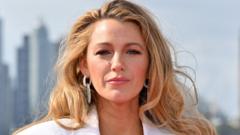
In a recent legal complaint, Blake Lively accuses her co-star and director Justin Baldoni of sexual harassment and orchestrating a campaign to damage her reputation after she spoke out. The lawsuit raises questions about the manipulative tactics employed in Hollywood to sway public opinion, reflecting a culture of hostility in a prominent industry.
Blake Lively, previously regarded as a beloved star, has recently become embroiled in a turbulent public narrative that culminated in her filing a remarkable legal complaint against her co-star and director, Justin Baldoni. The lawsuit brings to the fore the troubling tactics often employed in Hollywood, claiming that a deliberate effort was made to malign her reputation following a series of controversial incidents during the promotion of her recent film, "It Ends With Us."For the past few weeks, Lively's public standing took a significant hit when remarks she made were interpreted as insensitive to domestic violence, the central theme of the film. As a result, Lively faced heavy criticism online, leading to the resurgence of old interviews that painted her in an unflattering light. As swiftly as her popularity waned, Lively has now turned the tide by seeking legal recourse for alleged sexual harassment that she claims to have suffered while working with Baldoni.The 80-page complaint outlines accusations of a "well-financed retaliation plan" implemented by Baldoni and his film's studio, Wayfarer, aimed at suppressing her voice and distorting her public image. Allegations state that this involved utilizing a "weaponized digital army" to propagate false narratives and mobilize unwanted media attention against her.Lively's legal team provided text messages from Baldoni's publicist, Jennifer Abel, and Melissa Nathan, a crisis communications strategist, which allegedly showcased a planned strategy to manipulate discussions on social media and generate misleading content that could be mistaken for genuine grassroots opinion. The documents reveal a striking level of orchestration behind the scenes, with Nathan bluntly expressing the power to "bury anyone" in the public eye.In defense, representatives for Baldoni and Wayfarer have vehemently denied the claims, asserting that the backlash against Lively arose organically from her own remarks and actions during promotional events, which they claim prompted genuine public outrage. Abel also criticized Lively's legal team for omitting critical context from the discussed texts.The unfolding situation has elicited a wave of support for Lively from fellow actors and critics, including Amber Heard, who drew parallels between her own experiences and Lively's. Both have faced the brunt of social media's harsh critiques, demonstrating the apparent ease with which public opinion can shift, sometimes resulting in unwarranted vilification, particularly of women in the entertainment industry.Experts on PR tactics have remarked on the frequent use of aggressive reputation management strategies in Hollywood, where publicists and digital specialists may plant negative stories or curate narratives beneficial to their clients. The ongoing revelations surrounding Lively's case underscore a pervasive culture where calculated moves are often hidden from public sight, raising ethical concerns about manipulation and the consequences of negative campaigns.The case adds another layer to the conversation about "cancel culture" and its impact on the susceptibility of public perception, leaving many to question the authenticity of narratives constructed in the limelight. As Lively's story unfolds, observers are left to ponder the complexities of trust and credibility in a world rife with distorted truths and competing interests.