In brief
Amid a backdrop of political tension and environmental policies perceived as unfavorable, Alberta's push for independence gains momentum, fueled by feelings of alienation and new discussions of loyalty to the U.S.
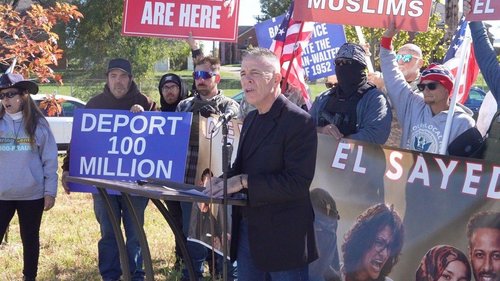
In Alberta's heartland, a growing sentiment for sovereignty is sparking debates about the province's future within Canada. In Lethbridge, a recent gathering drew a crowd of about 100 people, with half readily raising their hands in favor of an independent Alberta, while a similarly notable number expressed interest in aligning with the United States. This grassroots movement, championed by individuals like Dennis Modry, co-leader of the Alberta Prosperity Project, is seeking a referendum on independence as frustrations mount against perceived neglect from the central Liberal government.The agitation for Alberta's departure from Canada has intensified following comments made by former President Donald Trump suggesting that Canada could become the U.S.'s 51st state. This rhetoric has reinvigorated discussions about regional sovereignty, with proponents like lawyer Jeffrey Rath suggesting that cultural ties with the U.S. are stronger than with eastern Canadian provinces. The issue of "western alienation"—a sentiment that the West is often overlooked by political leaders in Ottawa—has a long history, but was exacerbated under Liberal Prime Minister Justin Trudeau's environmental policies, which many in Alberta view as detrimental to their economy. As polls indicate the potential for a fourth consecutive Liberal victory, concerns grow among Albertans about a lack of representation in national conversations, particularly regarding their crucial oil and gas industry.The divisive climate is palpable, as local voices like Judy Schneider express support for an independence vote while questioning the legitimacy of Mark Carney, the Liberal leader with Alberta roots, to truly represent Albertans' interests. Despite these fervent calls for separation, recent polls reveal only about one in four Albertans would currently vote in favor of leaving Canada.Political analysts underscore the challenge posed to the next prime minister, especially if the Liberals are reelected, as they will need to navigate growing tensions between Alberta and the eastern provinces. Premier Danielle Smith has been proactive in raising Alberta's concerns and has hinted at pursuing trade talks with the U.S., a move some see as stoking separatist sentiments amid national unity concerns.Interestingly, even within the independence movement, perspectives vary. While some advocate for increased leverage in negotiations with Ottawa, others, like volunteer Lorna Guitton, also regard outright severance from Canada as an excessive pursuit. She hopes Alberta can negotiate a better deal while remaining part of the federation.In the rural expanses of Alberta, figures like Rath envision potential alignment with the U.S. due to shared values of free enterprise and minimal government intervention. He, along with others, is even considering forming a delegation to present their case in Washington, D.C. Yet, a significant number of Albertans remain skeptical about the notion of independence, feeling that unity is essential for addressing the common issues facing the province.As the federal election looms, the proposed separation signifies a deepening rift that could reshape Alberta's role in Canada, encouraging nationwide conversations about representation, regional identity, and the future relationship with Ottawa.