In brief
In recent years, Fiji has witnessed a staggering rise in HIV cases, particularly among youth. With the number of infected individuals growing from under 500 in 2014 to approximately 5,900 in 2024, healthcare officials declared a national crisis. Contributing factors include increased drug use, unsafe practices like 'bluetoothing', and a lack of access to clean needles. The Fijian government is now focusing on strengthening its response to this health crisis as it struggles to keep pace with the epidemic's rapid growth.
Ten: that's the age of the youngest person with HIV that Sesenieli Naitala has ever met.
When she first started Fiji's Survivor Advocacy Network in 2013, that young boy was yet to be born. Now he is one of thousands of Fijians to have contracted the bloodborne virus in recent years – many of them aged 19 or younger, often due to intravenous drug use.
More young people are using drugs, Ms Naitala tells the BBC. He was one of those young people that were sharing needles on the street during Covid.
In just five years, Fiji has transformed into a key hotspot for one of the world’s rapidly growing HIV epidemics. The number of people living with HIV rose from fewer than 500 in 2014 to around 5,900 by 2024, marking an elevenfold increase.
New case rates have also skyrocketed, with 1,583 new infections recorded in 2024, a thirteenfold rise compared to the five-year average. Alarmingly, the number of new cases among those 15 and younger increased significantly.
This alarming trend led the Ministry of Health to declare an outbreak in January, with projections suggesting over 3,000 new cases by the end of 2025. Assistant Health Minister Penioni Ravunawa stated, This is a national crisis, and it is not slowing down.
Experts noted that alongside growing awareness of HIV and decreased stigma, many still remain undiagnosed, implying that the true extent of the epidemic is likely much larger than reported.
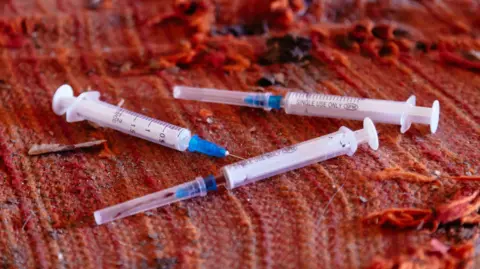
Unsafe practices like needle sharing and a process known as bluetoothing, wherein users inject blood from one person into another, have led to heightened transmission risks.
Kalesi Volatabu, executive director for Drug Free Fiji, highlights the dangers firsthand: I saw the needle with the blood – it was right there in front of me. This young woman had already had the shot and was taking out the blood for others to share.
The rising trend of drug use, including methamphetamines predominantly injected intravenously, has paralleled the HIV epidemic, particularly affecting younger demographics.
Fiji's geographic situation between significant drug manufacturing regions and lucrative markets has contributed to the rise of meth use, developing into a public health crisis. Here, HIV transmission is heavily impacted by unsafe injecting practices, under-reported due to correlated stigma and fear of repercussions.
Despite awareness initiatives, the operational challenges posed by resource shortages hinder adequate responses, with many experts warning that Fiji’s healthcare system may not cope with the impending demands of the situation.