WASHINGTON — Secretary of State Marco Rubio stated on Sunday that the United States will not attempt to govern Venezuela directly following the ousting of Nicolás Maduro, but will enforce an existing “oil quarantine” to drive changes in the nation.
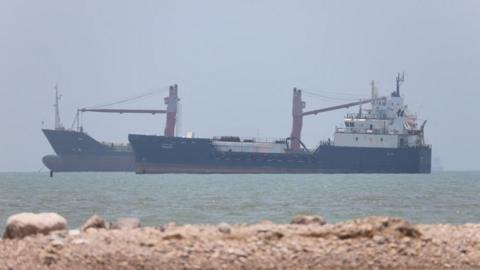
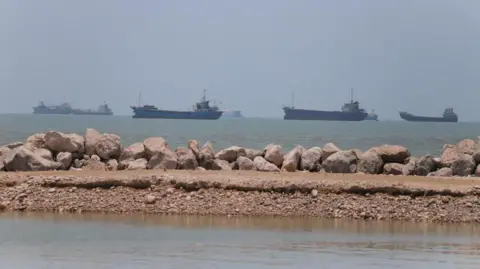
This statement comes as a strategic pivot after President Trump suggested that the U.S. would take over governance in the oil-rich nation. Rubio's comments were intended to alleviate fears regarding the possibility of a prolonged American intervention reminiscent of past foreign interventions seen in Iraq and Libya. Instead, he reassured that the focus will be maintaining control through the enforcement of a blockade on sanctioned oil tankers.
We will continue with that quarantine, which aims to reshape the oil industry for the benefit of the Venezuelan people, while also tackling drug trafficking activities, Rubio explained.
Despite the White House’s stated goal for regime change, concerns linger about the legality of military operations without congressional authorization. In response to growing uncertainties, Rubio asserted, This is not the Middle East. Our objectives differ considerably this time around.
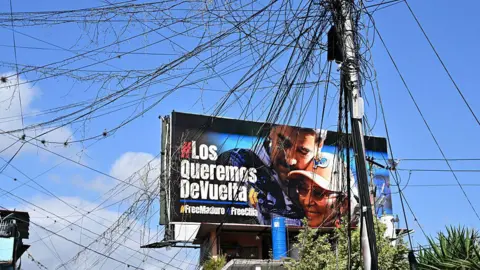
With Maduro captured, Venezuela's leadership is publicly calling for his release, while Rubio insists that the U.S. will leverage its blockade to pressure Maduro's subordinates to enact necessary change. He underscored that Venezuela's high court recognized Delcy Rodriguez as interim president, following Trump's claims regarding Venezuela's governance.
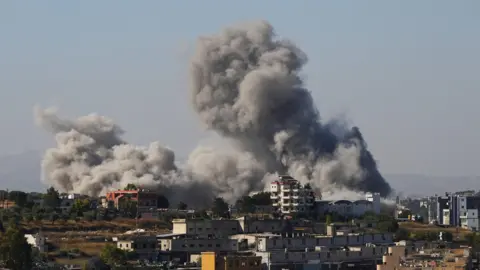
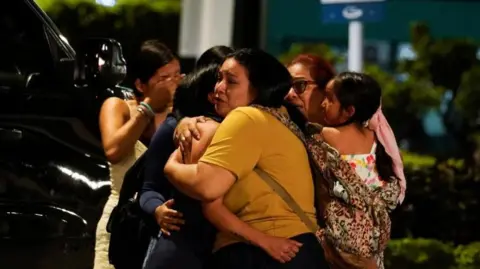
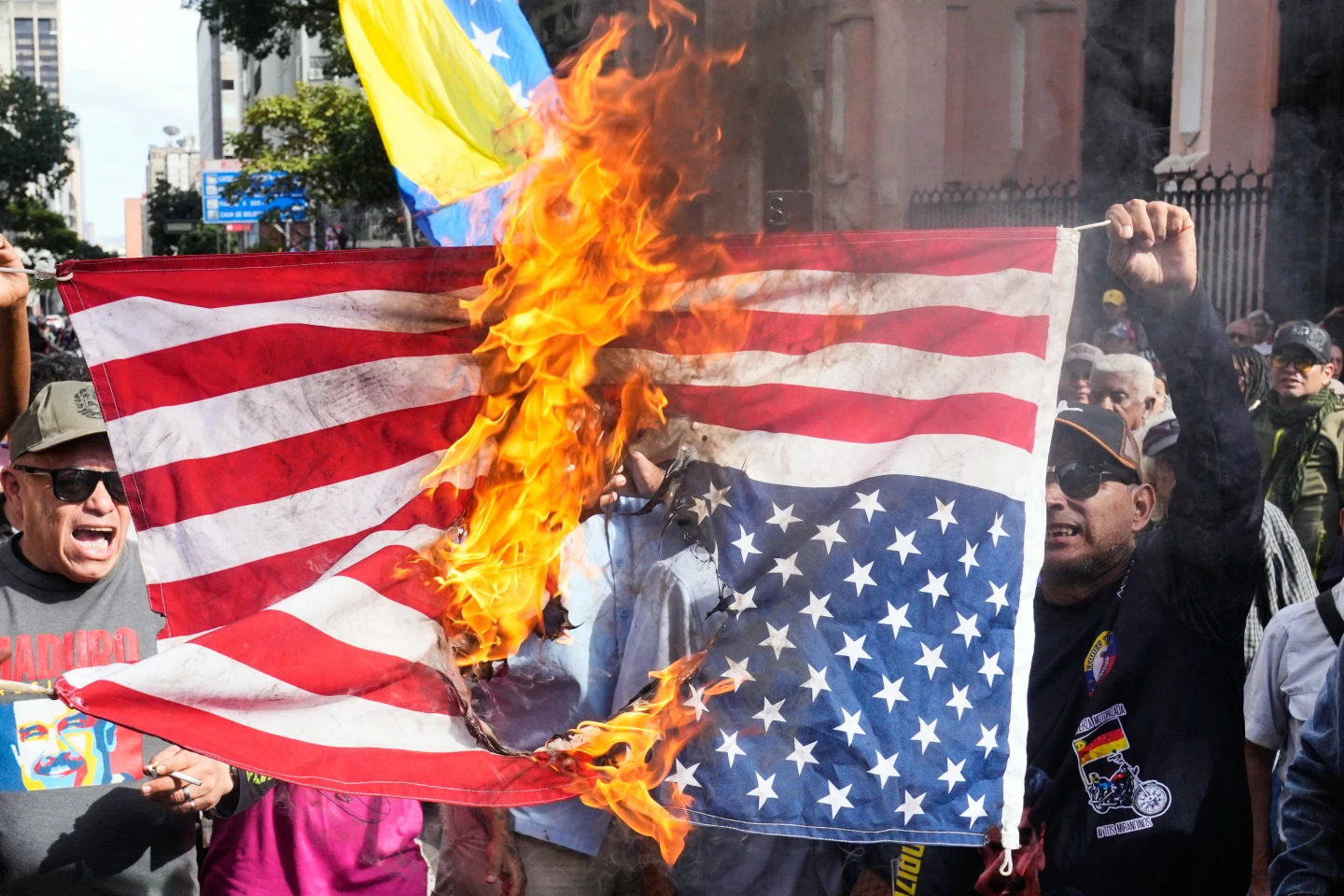
On the ground, Caracas remains in a state of unease, with shops closed and military presence noted across the capital, symbolizing the significantly altered socio-political landscape post-Maduro’s ousting.