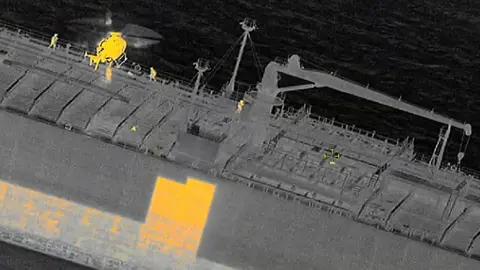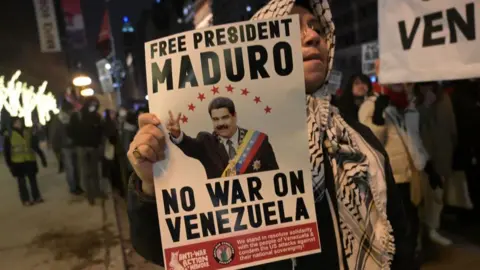
Nicolás Maduro, the president of Venezuela, was recently brought to the U.S. facing serious drug trafficking charges, prompting wide-ranging legal debates regarding the methods used to capture him. This move by the Trump administration has raised eyebrows among legal experts who argue that it may have contravened international law.
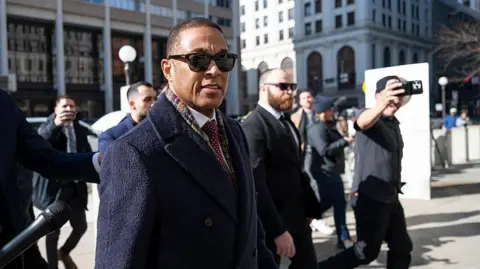
On Monday morning, Maduro arrived in New York City, appearing in court after a night spent in a federal detention facility. U.S. Attorney General Pam Bondi declared this was an effort to bring Maduro to justice, yet critics argue that the manner in which he was seized may amount to a breach of international norms.
According to international law authorities, the operation to remove Maduro from Venezuela was illegal as it did not follow the protocols established by the United Nations, which restrict military action against sovereign nations, barring specific conditions like defense against imminent attacks or Security Council approval.
The U.S. government characterized its actions as part of a law enforcement exercise, claiming Maduro is a key figure in drug trafficking operations that have contributed to crises in North America. Maduro has denied these charges, maintained a stance against the claims made by the U.S., and has since pleaded not guilty in court.
While prosecutors focus on narcotics-related charges against Maduro, legal discussions are heating up around the implications of such actions. Experts assert that even if Maduro was brought into the U.S. unlawfully, courts might still proceed with the case, an outcome backed by historical precedents.
This controversy extends into a broader discourse on international law compliance and presidential power in the U.S., with past precedents like the George H.W. Bush administration's actions regarding Manuel Noriega coming into sharp focus.
As this case unfolds, it acts as a pivotal moment in understanding the balance of international relations and domestic law in international prosecutions.