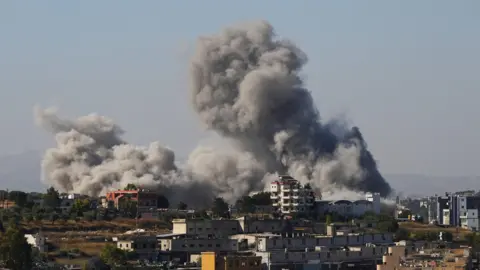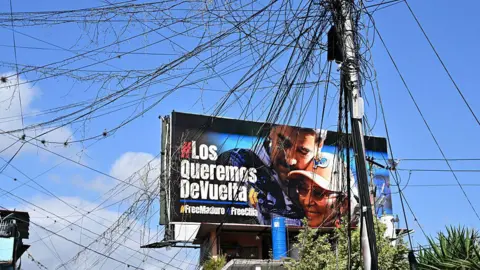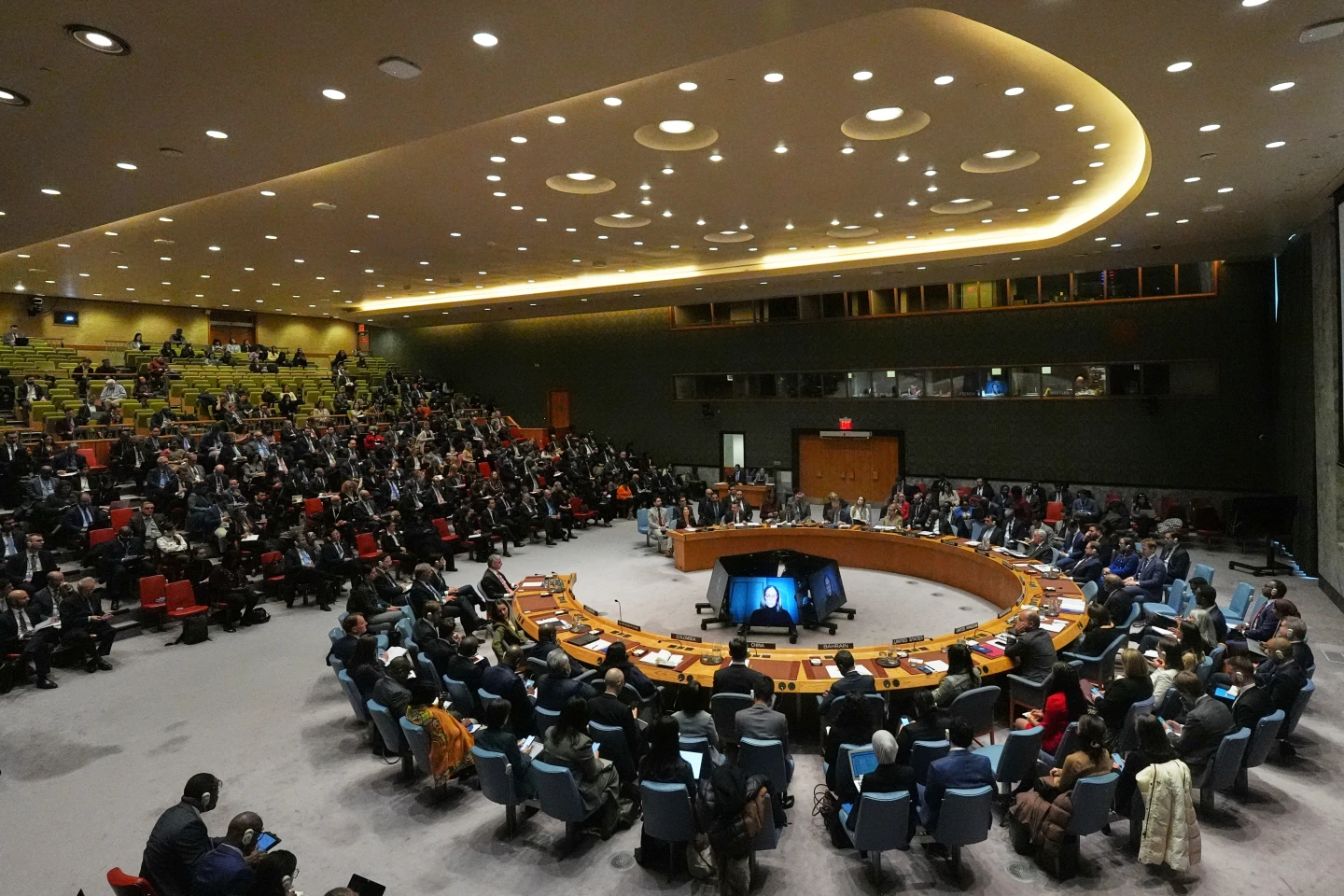
UNITED NATIONS (Echosphere.news) — An emergency session of the U.N. Security Council took place following a controversial U.S. military operation in Venezuela that aimed to capture President Nicolás Maduro over the weekend. This operation, labeled as audacious and unlawful by many, has raised substantial concerns regarding the breach of international laws.
The U.N. Secretary-General, Antonio Guterres, expressed deep concern that the rules of international law were not observed during the operation. The military intervention was met with outrage from various nations, emphasizing that such unilateral actions can set a dangerous precedent for international relations.
Denmark, highlighting its sovereignty over Greenland, reiterated the importance of respecting national borders. Danish ambassador Christina Markus Lassen warned that no state should influence Venezuela's political outcomes through threats or force.
Colombian delegates stressed the historical implications of U.S. interventions in Latin America, underscoring that democracy cannot be promoted through coercion. Meanwhile, Russia's representative condemned the U.S. actions, calling them a return to lawlessness.
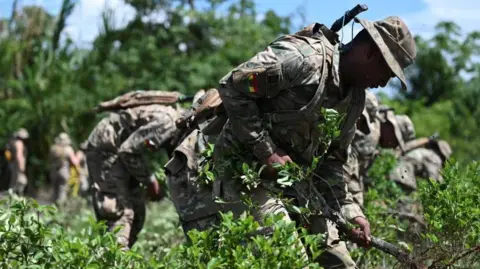
In defense of their actions, U.S. envoy Mike Waltz portrayed the capture of Maduro as a justified law enforcement operation to combat narcotics trafficking. However, criticisms persisted, arguing that labeling Maduro as a 'narco-terrorist' failed to respect the dimensions of international law.
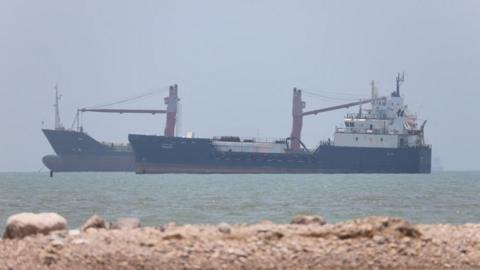
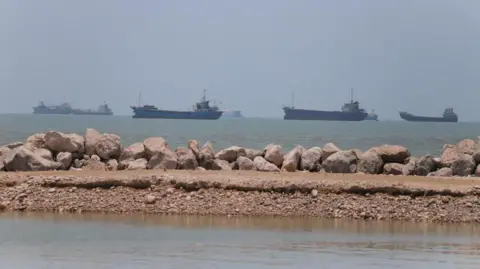
The U.S. conducted the operation after a significant military buildup off the Venezuelan coast, culminating in Maduro's capture and subsequent flight to the U.S. to face charges linked to narcotics trafficking.
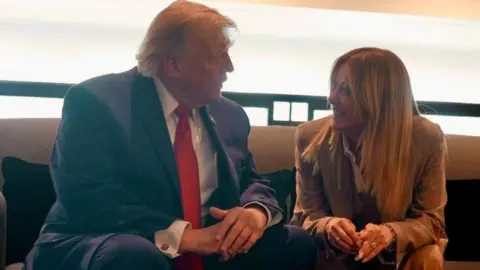
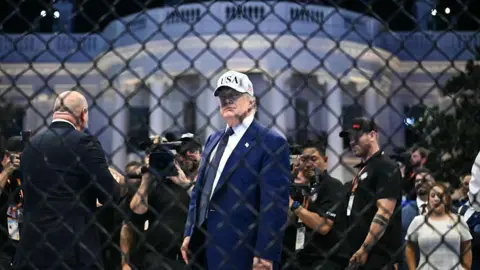
This marked a significant turning point in U.S.-Venezuelan relations, with President Trump indicating intentions to temporarily manage Venezuelan affairs, including access to its oil reserves for international trade.
As the world watches closely, the diplomatic repercussions of the U.S. intervention are yet to unfold. This incident reiterates the complexities involved in global governance and international law, reflecting ongoing tensions surrounding sovereignty, intervention, and the strategic interests of world powers.